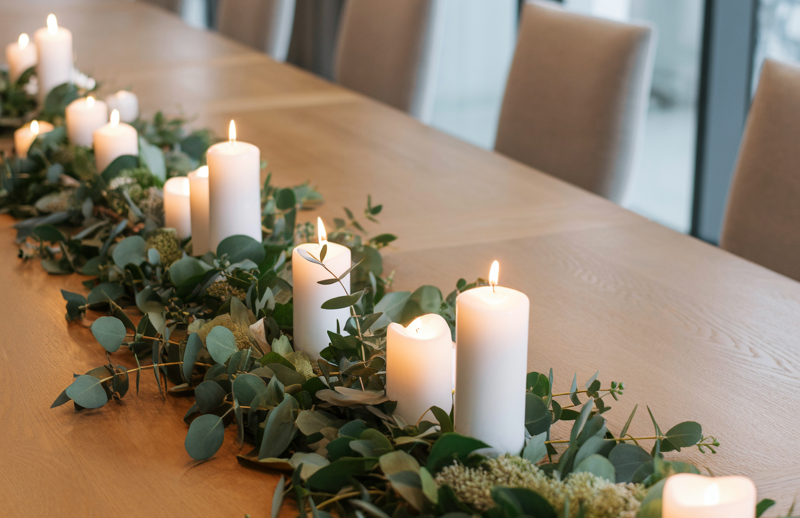
A truly beautiful table doesn’t feel staged—it feels lived in.
The kind where textures mix freely, nature sneaks in, and guests instantly relax the moment they sit down.
After setting tables for everything from festive gatherings to quiet, last-minute meals with friends, one thing always holds true: fun natural table settings create the most inviting atmosphere. They’re unfussy, soulful, and full of charm without trying too hard.
In this post, I’m sharing 18 ideas that celebrate that ease. Some feel playful, others lean earthy and grounded, but every one of them is designed to feel natural, warm, and completely welcoming. These are tables meant for conversation, laughter, and lingering long after the plates are cleared.
Mix mismatched ceramic plates

Perfectly matching sets can feel… cold.
I prefer collecting ceramic plates in similar tones but slightly different shapes and glazes. Creams, soft whites, muted speckles. Think handmade, not showroom.
When you mix plates, the table instantly feels collected over time. Like stories happened here before tonight.
Stacking mismatched dinner plates and salad plates also adds height and texture. That layering keeps the table visually interesting without adding clutter.
And don’t stress if one plate has a chip. Honestly, that just makes it better.
Add texture with woven placemats

Placemats don’t get enough love.
Woven seagrass, rattan, or jute placemats add instant texture. They also protect your table while keeping the look relaxed.
I like using placemats instead of a full tablecloth when I want the wood to show through. Especially for casual dinners.
Round placemats soften rectangular tables. Rectangular placemats feel structured but still natural.
Either way, they layer beautifully with wood chargers or ceramic plates from earlier ideas.
Use stoneware bowls for shared dishes

Shared dishes change the energy.
Stoneware bowls feel sturdy, grounded, and generous. Perfect for salads, roasted vegetables, or bread.
I place them right on the table. No stands. No fuss.
The weight of stoneware anchors lighter elements like linen and glass. It creates balance.
And when guests pass bowls around, the table feels communal. That’s always my goal.
Style cutlery in mixed metals

Uniform cutlery can feel sterile.
I like mixing brushed silver with matte black or warm brass. The key is keeping finishes soft, not shiny.
Place them intentionally, but don’t overthink it. Slight variations add interest.
This works especially well with the natural textures we’ve already layered—linen, wood, ceramics.
It’s subtle. But it makes people look twice.
Introduce candles in varied heights

Candles are non-negotiable.
Use pillar candles, tapers, and tea lights together. Keep them in neutral holders—glass, ceramic, or raw wood.
Vary the heights so the light dances across the table. It feels warm. Intimate. Alive.
Even daytime tables benefit from candles. Unlit, they still add sculptural interest.
Pair this with greenery from idea three and you’ve got instant magic.
Finish with handmade place cards

Personal touches matter.
Handwritten place cards on kraft paper, torn cardstock, or pressed leaves feel thoughtful and warm.
You don’t need perfect handwriting. Imperfection is the point.
Place them casually on plates or tuck them into napkin folds.
It’s a small gesture that makes guests feel seen. And honestly, that’s what great hosting is about.
Let the table itself be the star

Sometimes the best styling choice is restraint.
If you have a beautiful wood table, don’t cover it up. Skip the runner. Skip the placemats.
Instead, keep everything minimal. Plates, cutlery, napkins. That’s it.
The natural grain becomes the texture. The table tells the story.
This works especially well when you’ve already embraced natural materials like stoneware and linen earlier.
It’s quiet. Confident. And surprisingly impactful.
Incorporate earth-toned glassware

Clear glass is lovely. But tinted glass adds soul.
Soft amber, smoky gray, or pale green glasses catch the light beautifully. They feel old-world and grounded.
I use them sparingly so they don’t overpower the table. Usually water glasses only.
They pair especially well with wood chargers and linen napkins from earlier ideas.
It’s a subtle shift, but it changes the entire mood.
Arrange seating with comfort in mind

This one’s underrated.
Pull chairs slightly back from the table before guests arrive. Add cushions or throws if seating is hard.
Comfort is part of styling. Always.
When people feel physically relaxed, the table feels more inviting.
This idea connects back to the casual napkin folds and shared dishes we talked about earlier. It’s all part of the same philosophy.
Play with neutral layers instead of color

Color isn’t the only way to create interest.
Layer different neutrals—cream, sand, stone, clay. Mix textures instead of hues.
Linen. Wood. Ceramic. Glass.
The table feels calm but rich. Quiet but not boring.
This is perfect if you love simplicity but still want depth.
Embrace asymmetry in your layout

Perfect symmetry can feel stiff.
I like shifting things slightly off center. Candles unevenly spaced. Greenery trailing more on one side.
It feels natural. Organic.
Like nature itself.
This idea builds on the looseness of earlier ideas, especially the meadow florals and produce centerpieces.
Add soft lighting beyond candles

Think beyond the table.
String lights overhead. A floor lamp nearby. Soft ambient glow.
The table doesn’t exist in isolation. The room matters too.
When the surrounding light is warm, the table feels warmer.
It’s subtle, but powerful.
Keep centerpieces low and wide

Tall arrangements look impressive, but they block connection.
I prefer low, wide centerpieces that stretch horizontally.
Greenery garlands. Produce. Boards. Clusters of candles.
The table feels expansive. Open.
Guests lean in. Talk more. Stay longer.
Repeat materials for cohesion

Repetition creates calm.
If you use wood chargers, echo wood elsewhere. Boards. Candle holders.
If you use stoneware, repeat it with bowls or vases.
This creates flow without being obvious.
It’s subtle styling, but it works.
Design the table around the meal

Always start with the food.
A soup night needs bowls and space. A shared feast needs boards and platters.
Let the menu guide the layout.
This keeps the table functional and beautiful.
And nothing feels forced.
Keep place settings simple and breathable

Space matters.
Don’t crowd the table with too many objects at each setting.
Plate. Napkin. Cutlery. Glass.
That’s enough.
The simplicity lets natural materials shine.
Adjust the table for the season

Seasonal shifts matter.
Lighter linens in summer. Heavier textures in winter.
Earth tones in fall. Fresh greens in spring.
This keeps your table feeling alive and relevant.
Trust your instinct and have fun

This is the most important idea.
If it feels good to you, it works.
Tables don’t need rules. They need heart.
Have fun with it. Play. Experiment.
That joy shows up in the final result.
Final Thoughts
Natural table settings aren’t about perfection.
They’re about feeling.
Warmth. Ease. Connection.
Try one idea. Or three. Or mix them all.
Your table will tell its own story—and trust me, your guests will feel it the moment they sit down.
