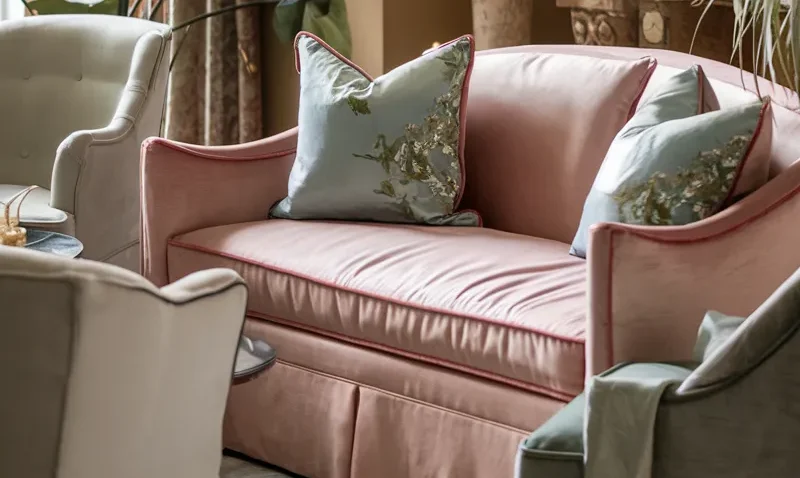
There’s something about neoclassical interiors that just hits differently.
It’s calm, it’s balanced, and it carries this quiet kind of luxury that doesn’t scream for attention.
I’ve always loved how it blends history with modern comfort. Think symmetry, soft palettes, elegant details… but still livable.
If you’ve been craving a home that feels refined yet warm (not stiff or museum-like), these ideas will help you get there. Let’s dive in.
Embrace a Soft Neutral Color Palette
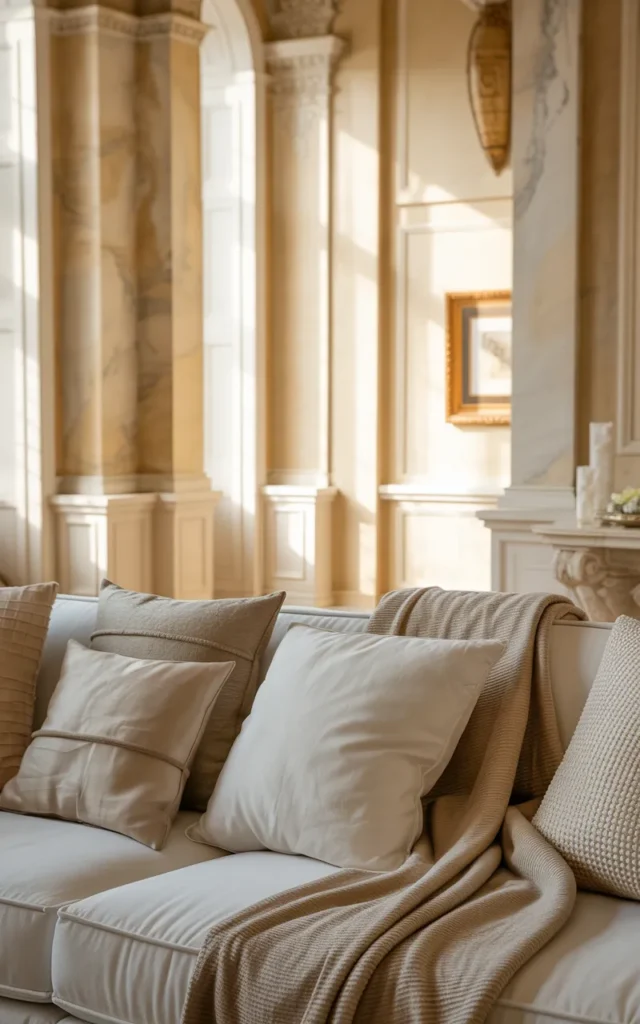
Start simple. Always.
I lean toward creams, warm whites, soft greys, and muted taupes. These tones instantly create that calm, elevated feel neoclassical design is known for.
It’s not about being plain—it’s about letting textures and details shine instead.
Why it works?
- Keeps the space airy and timeless
- Makes architectural details stand out
- Creates a calming, cohesive backdrop
Add Wall Molding for Instant Elegance
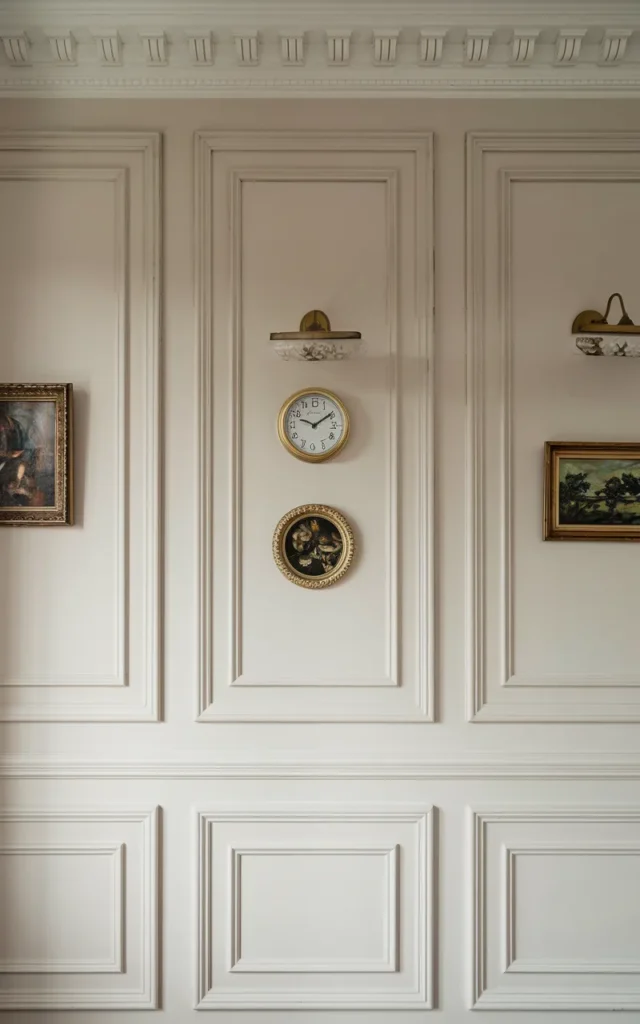
If there’s one shortcut to a neoclassical look, it’s this.
Wall moldings—whether simple panels or ornate trims—add depth without cluttering the space.
Even a basic rectangular pattern can transform a flat wall into something beautiful.
Quick Tip:
Stick to symmetry. Uneven spacing ruins the effect faster than anything else.
Choose Furniture with Curved Silhouettes
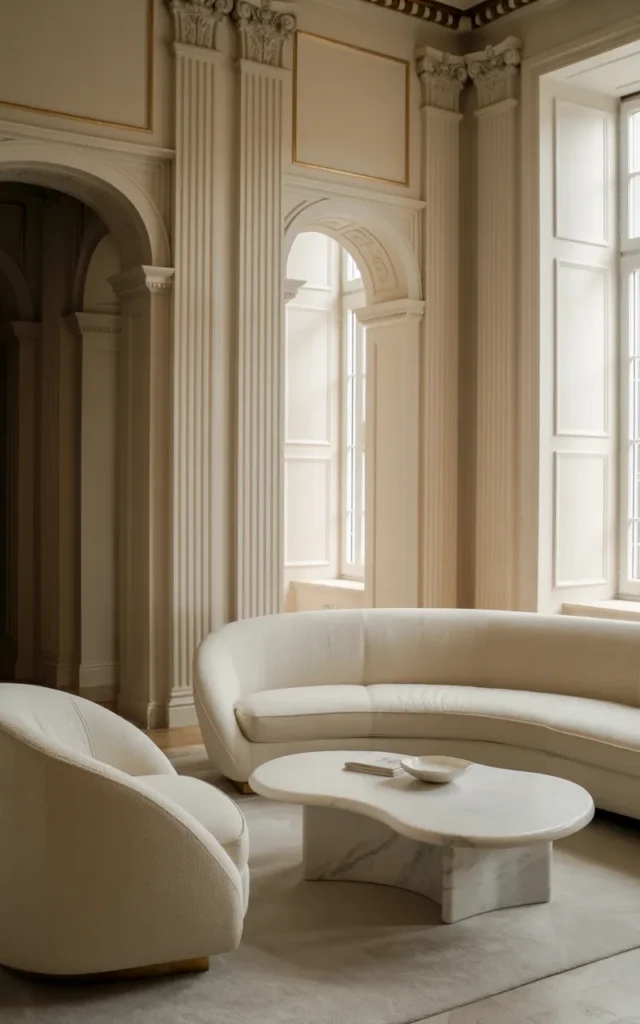
Straight lines feel modern. Curves feel classical.
I always look for sofas, chairs, and tables with subtle curves—nothing overly dramatic, just enough to soften the room.
It makes everything feel more graceful.
And honestly? It’s more inviting too 😊
Install a Statement Chandelier
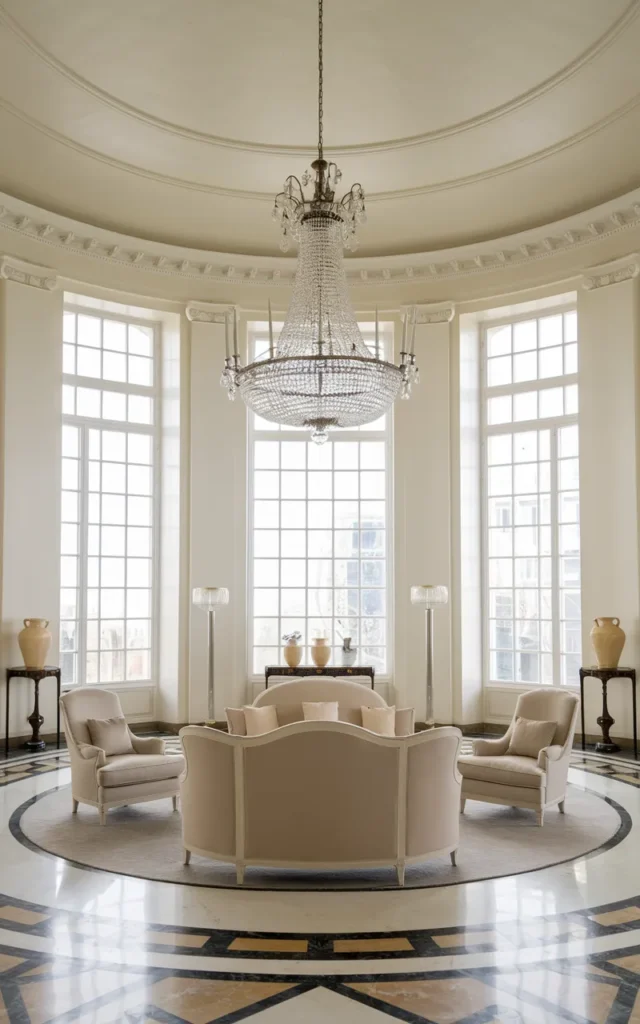
Lighting is everything here.
A chandelier instantly anchors the room and gives it that “old-world charm meets modern home” vibe.
Crystal, brass, or even matte gold finishes work beautifully.
A Micro-tip:
Hang it slightly lower than you think. It creates intimacy and drama.
Incorporate Marble Accents
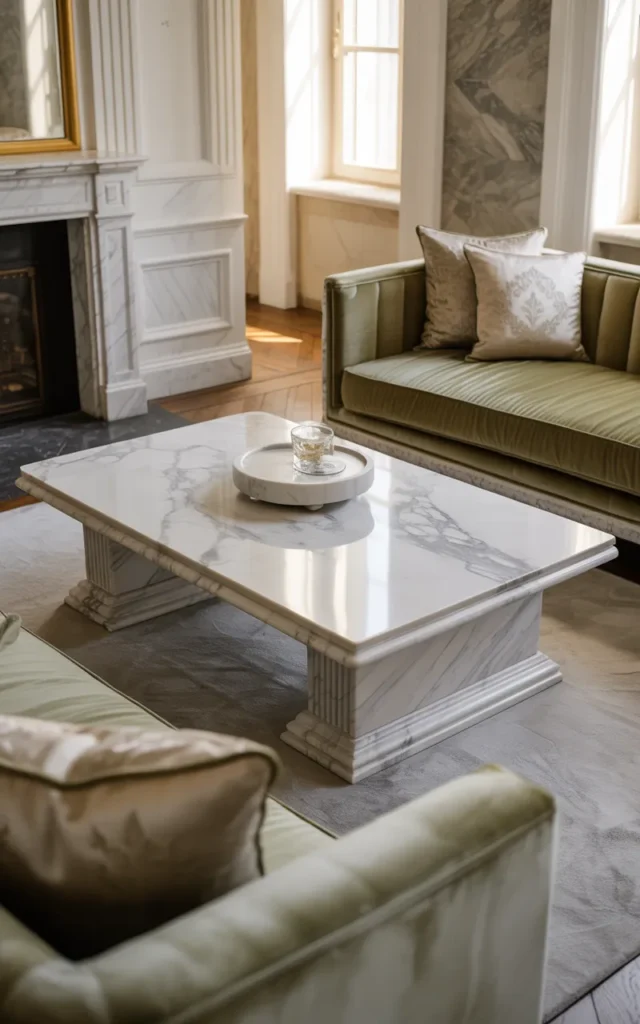
Marble and neoclassical design go hand in hand.
Think coffee tables, countertops, or even small décor pieces like trays or vases.
You don’t need a full marble room—just a few touches.
Budget Alternatives:
- Marble-look laminate
- Ceramic tiles with marble finish
- Faux marble trays
Introduce Subtle Gold or Brass Accents
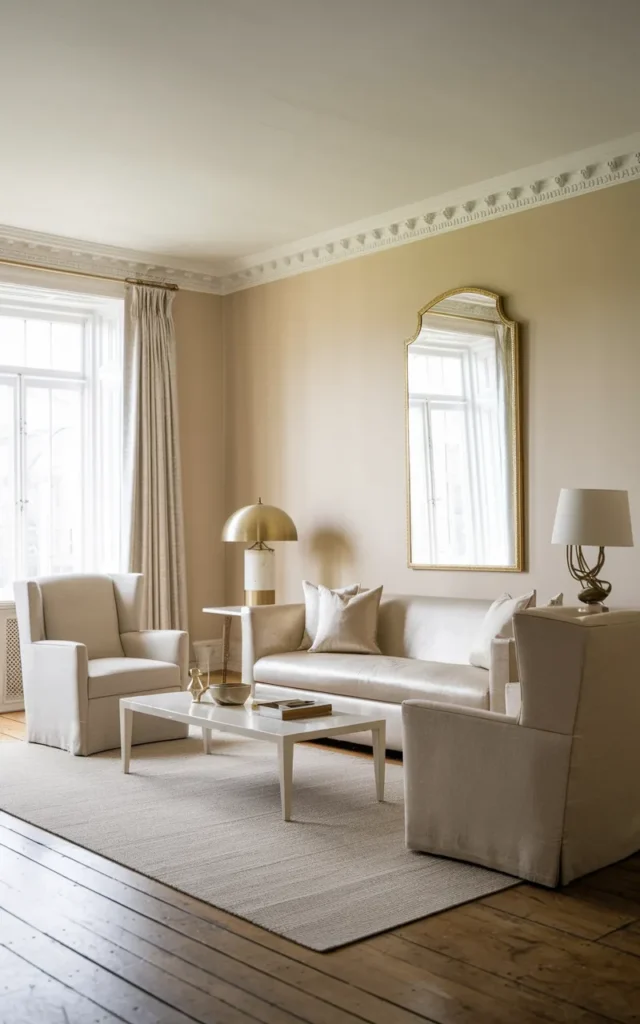
Not too shiny. Not too much.
Just a hint of gold in handles, mirrors, or lighting can elevate everything.
Think of it like jewelry for your home ✨
Layer with Elegant Textures
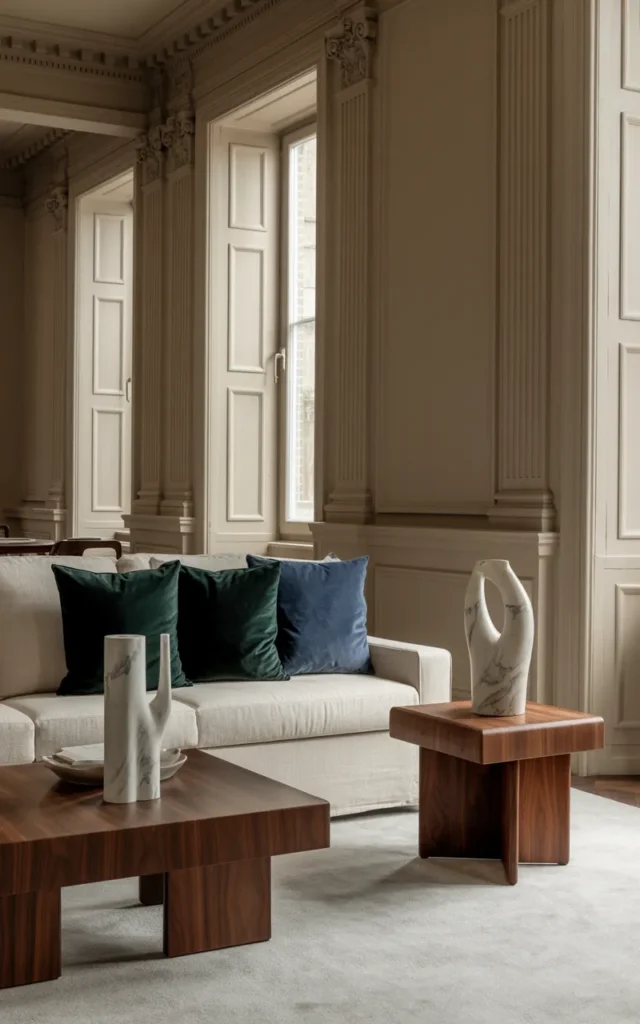
This is where neutral spaces come alive.
Mix linen, velvet, wood, and stone. Each layer adds depth without overwhelming the room.
Layer it like this:
- Base: soft neutral upholstery
- Mid-layer: textured cushions
- Top layer: metallic or marble accents
Place a Large Mirror Strategically
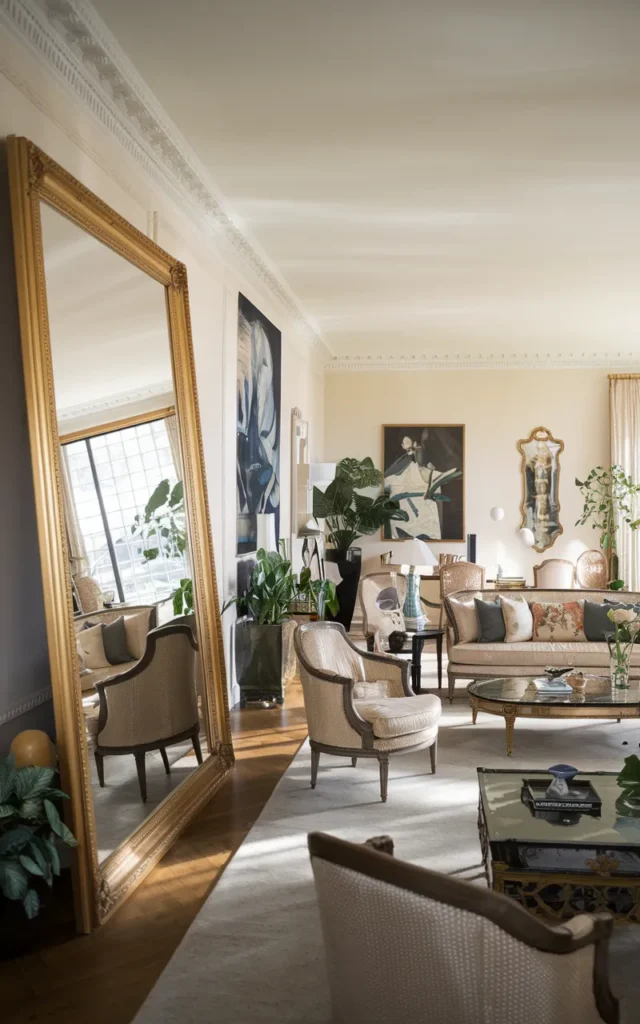
Mirrors are magic in neoclassical spaces.
They reflect light, expand the room, and add elegance in one move.
I usually go for oversized mirrors with thin gold frames.
Instant Gratification Tip:
Lean a large mirror against the wall instead of mounting it. Quick, chic, and effortless.
Anchor the Room with a Classic Area Rug
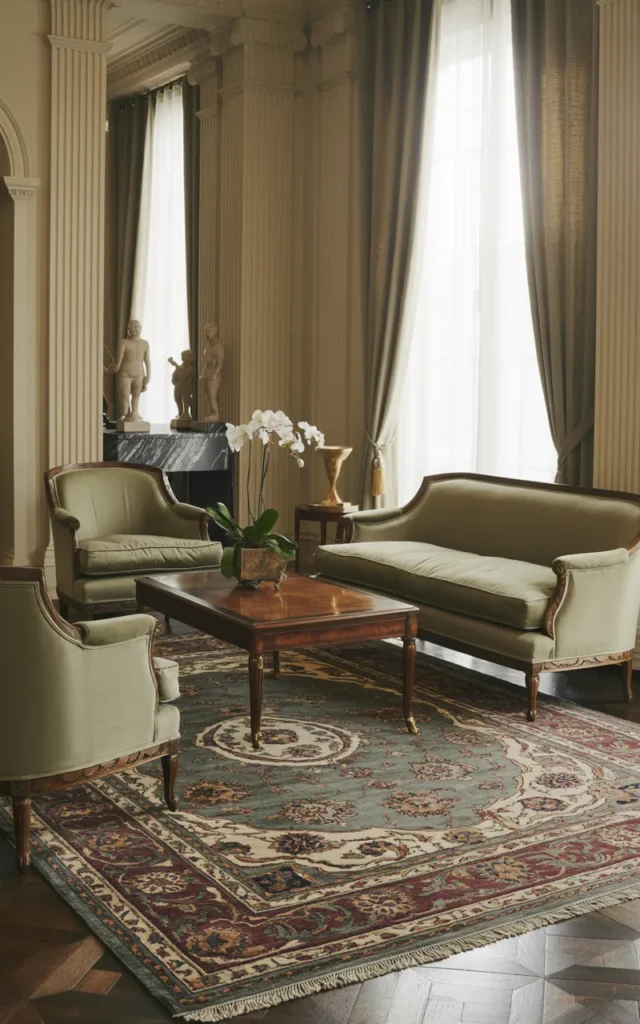
A good rug ties everything together.
Look for Persian-inspired patterns or muted geometric designs. Nothing too loud.
It should feel like it belongs… not like it’s trying too hard.
Common Mistakes to Avoid:
- Choosing rugs that are too small
- Going for overly bold patterns
- Ignoring color harmony
Opt for Timeless Upholstery Fabrics
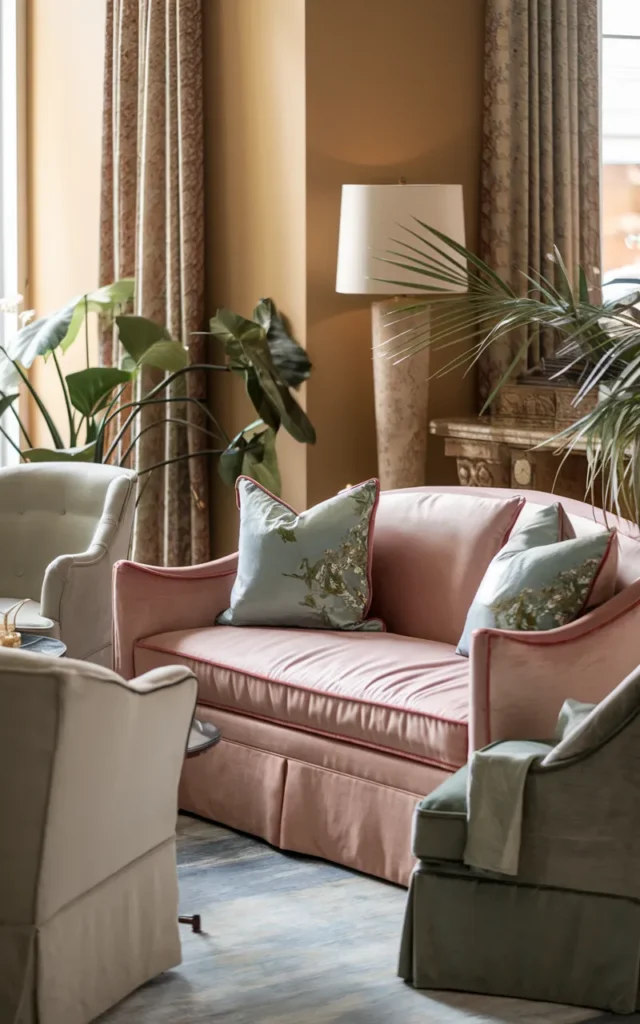
Fabric matters more than people think.
Linen, velvet, and cotton blends are your best friends here. They feel rich without being flashy.
Unlike the curved furniture in idea #3, this is more about touch than shape.
Who this is for:
- Anyone who loves understated luxury
- Homes that need warmth without clutter
Highlight Architectural Details
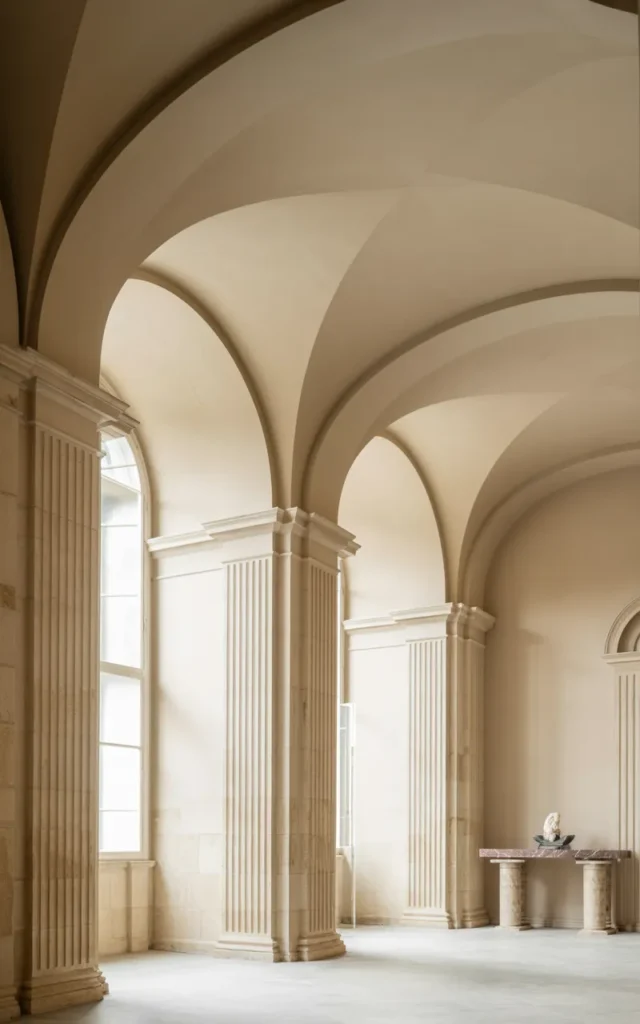
If your home has arches, columns, or high ceilings—celebrate them.
Don’t hide them behind busy décor.
Let them breathe.
A Pro-tip:
Use soft lighting to highlight these features at night. It creates a quiet, dramatic effect.
Keep Décor Minimal but Meaningful
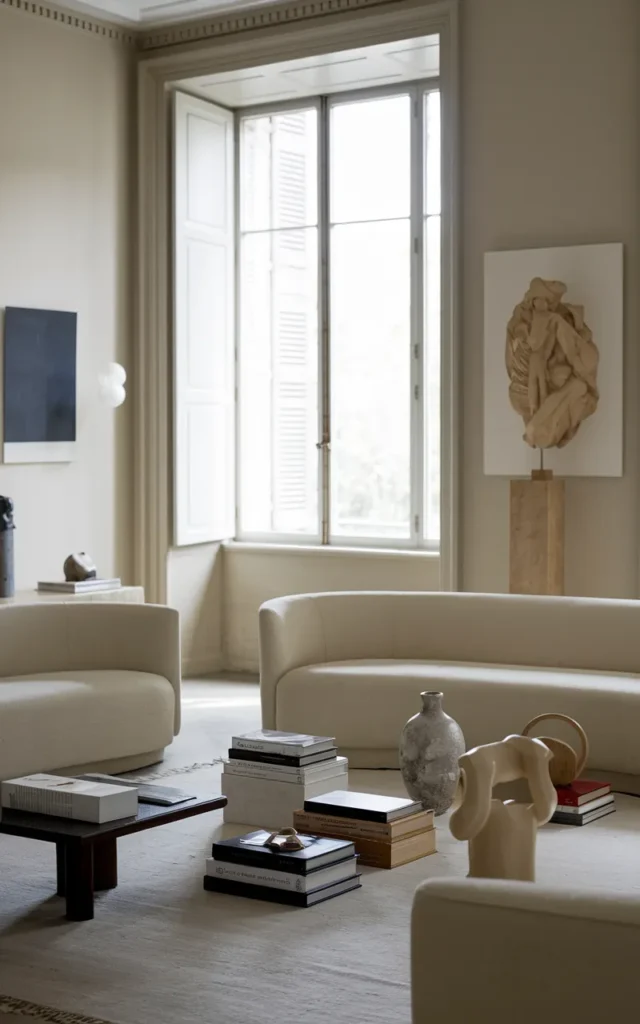
Less, but better.
I always tell people—don’t fill every corner. Let each piece have a purpose.
A sculpture, a vase, a stack of books. That’s enough.
The psychology behind it:
Minimal spaces feel calmer and more luxurious because nothing competes for attention.
Add a Fireplace (Even a Faux One)
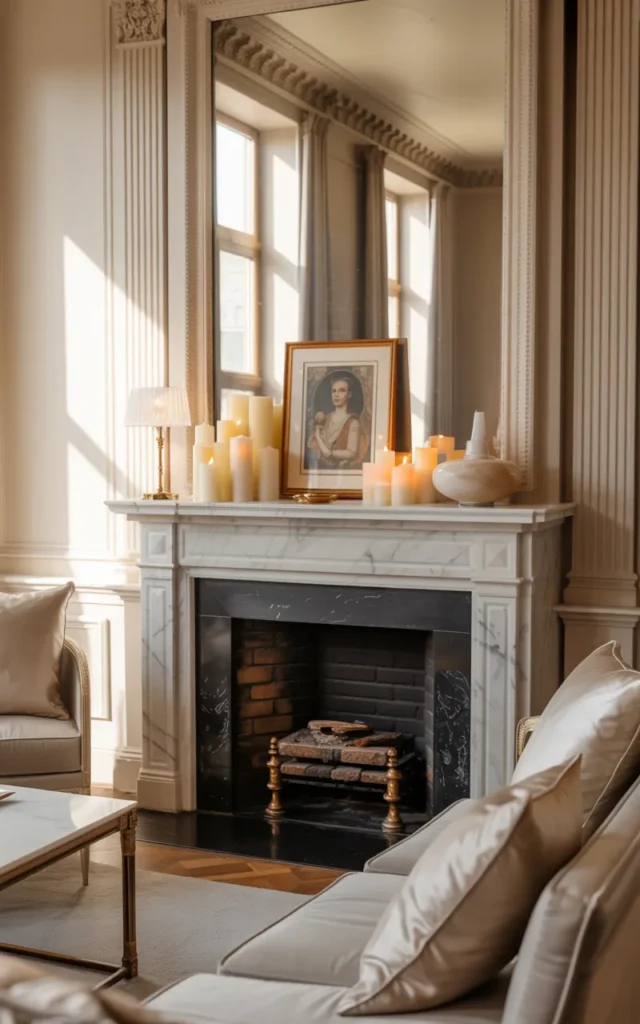
Fireplaces scream neoclassical charm.
Even if you don’t have a real one, a faux mantel can do wonders.
How to steal this look:
- Install a simple mantel frame
- Paint it in a neutral tone
- Style with candles and art
Stick to a Cohesive Color Story
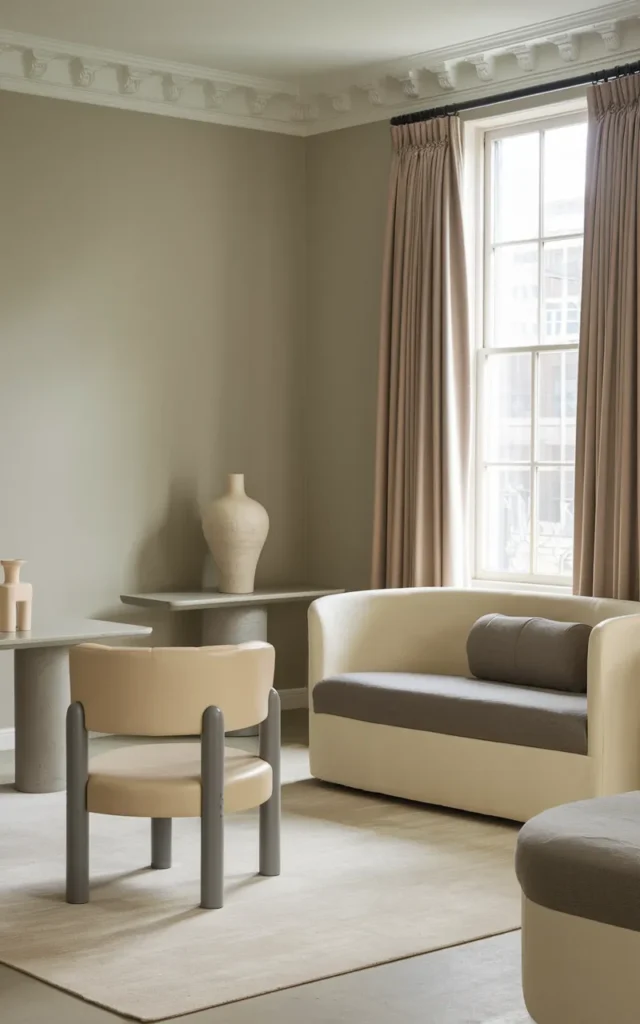
This is where many people slip.
Too many colors = chaos.
Pick 2–3 main shades and repeat them throughout the space.
Thumb Rule:
If a color appears once, it should appear at least twice.
Incorporate Subtle Patterns
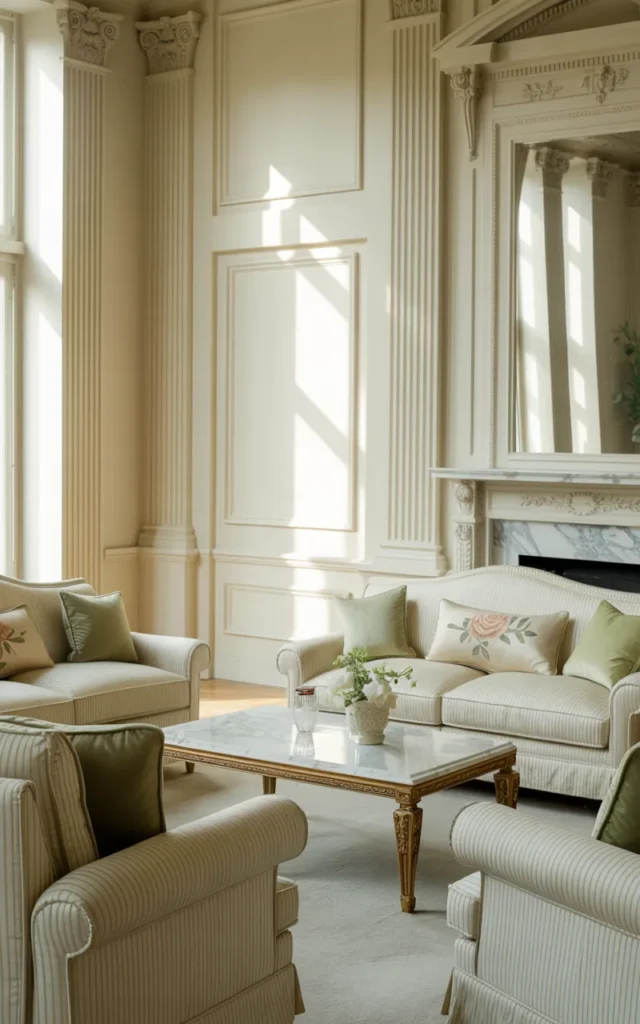
Patterns are welcome—but keep them quiet.
Soft stripes, delicate florals, or tone-on-tone designs work best.
Unlike bold modern interiors, this style whispers… it doesn’t shout.
Use Tall Doors and Frames (or Fake It)
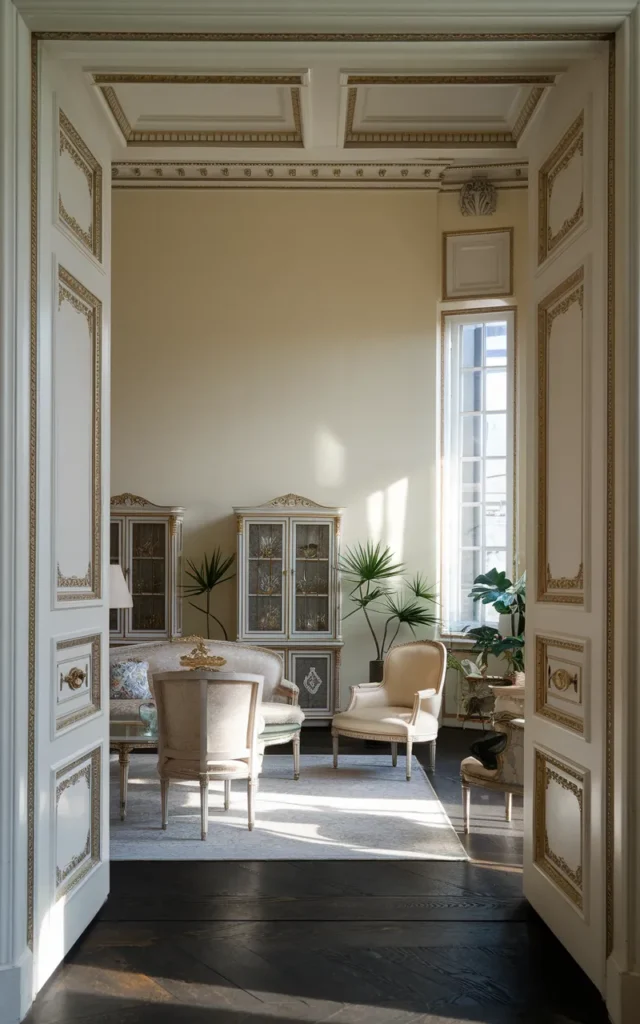
High doors instantly elevate a room.
If you don’t have them, extend your door frames visually with paint or molding.
Small space hack:
Vertical lines make ceilings feel higher without structural changes.
Create a Grand Entryway Feel
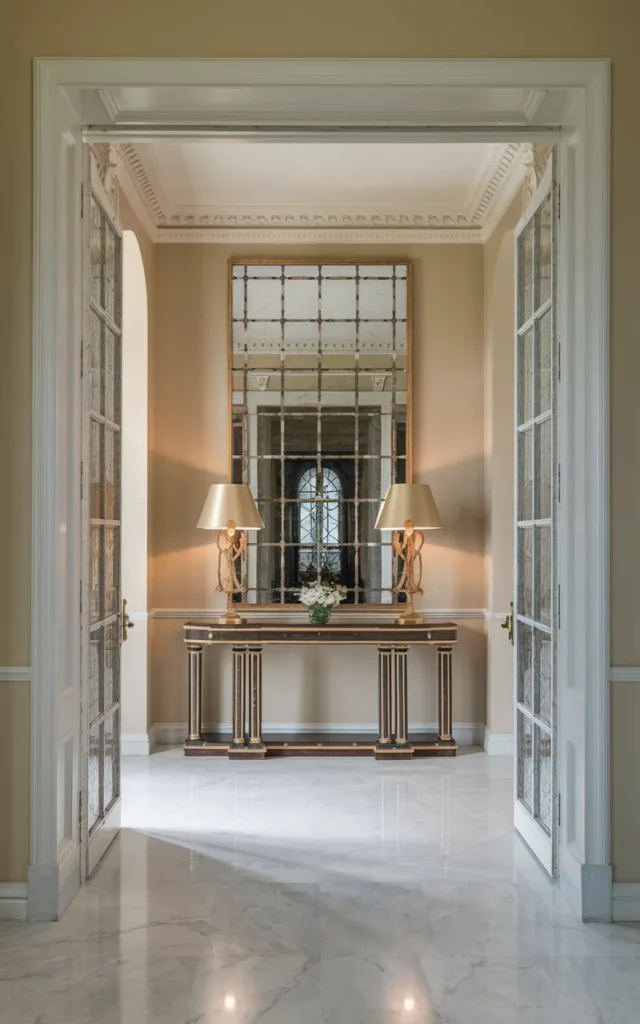
Even a small entry can feel grand.
Add a console table, mirror, and a pair of lamps. Symmetry again—remember idea #6?
It sets the tone before you even step in.
Works best in:
- Apartments with narrow entrances
- Homes with open foyers
Incorporate Columns or Column-Inspired Elements
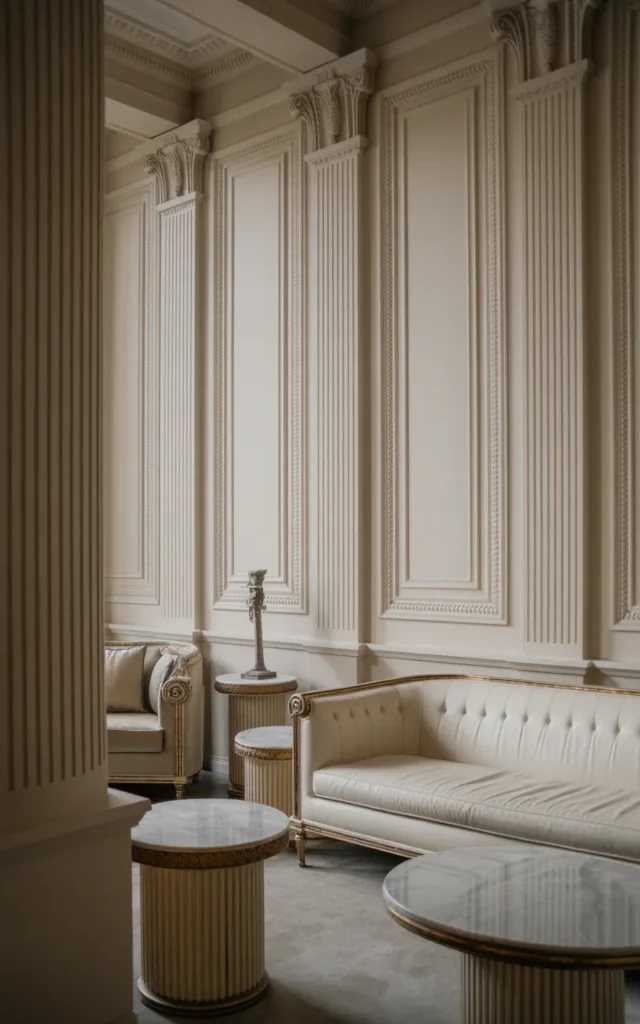
You don’t need real columns.
Even column-like furniture or vertical paneling can mimic the look.
It adds structure and a hint of classical architecture.
And honestly, it feels a little majestic 👑
Keep Ceilings Clean but Detailed
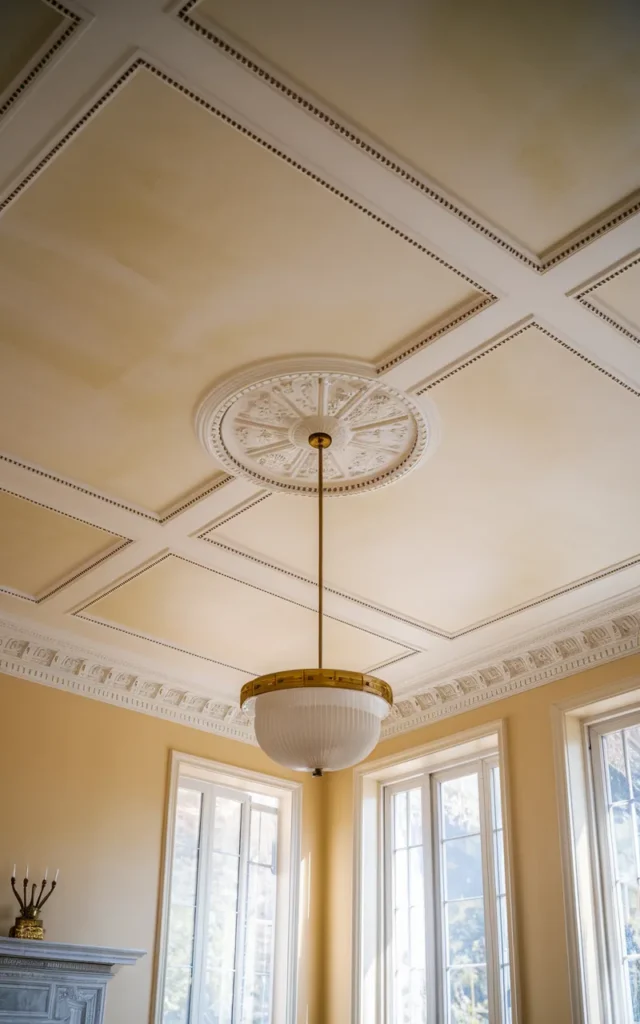
Don’t ignore the ceiling.
Simple crown molding or subtle medallions can elevate the entire room.
Do’s & Don’ts:
✔ Keep details subtle
✔ Match with wall tones
❌ Avoid overly ornate designs in small spaces
Add Sculptural Décor Pieces
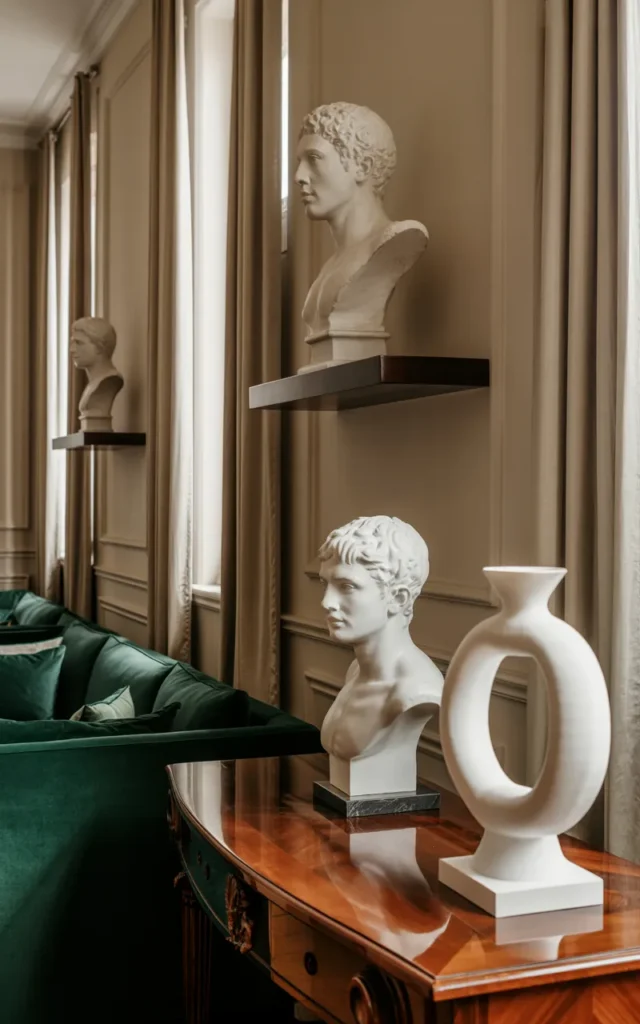
Think busts, abstract sculptures, or ceramic forms.
These pieces add character without clutter.
Unlike idea #14’s minimal approach, this is about choosing bold but few items.
Mix Old and New Thoughtfully
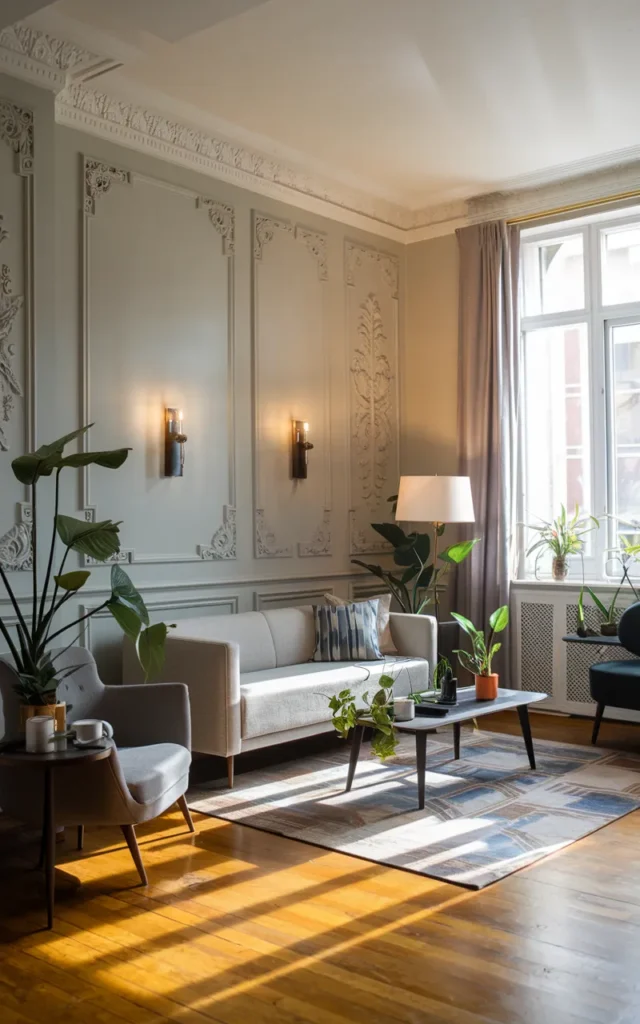
Neoclassical doesn’t mean old-fashioned.
Blend modern furniture with classical elements.
A sleek sofa + classic molding? Perfect balance.
What most people get wrong:
They go fully vintage and lose the fresh, livable feel.
Use Soft, Diffused Lighting
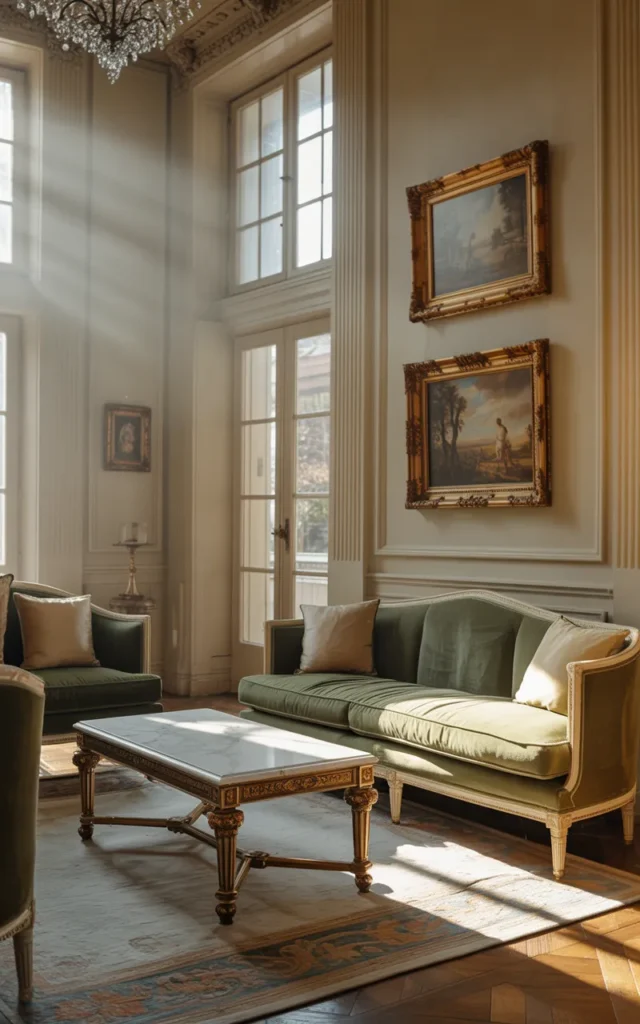
Harsh lighting kills the vibe.
Warm, diffused light creates that cozy, elegant atmosphere.
Vibe check:
- Soft shadows ✔
- Warm glow ✔
- No harsh glare ✔
Add Subtle Contrast with Dark Accents
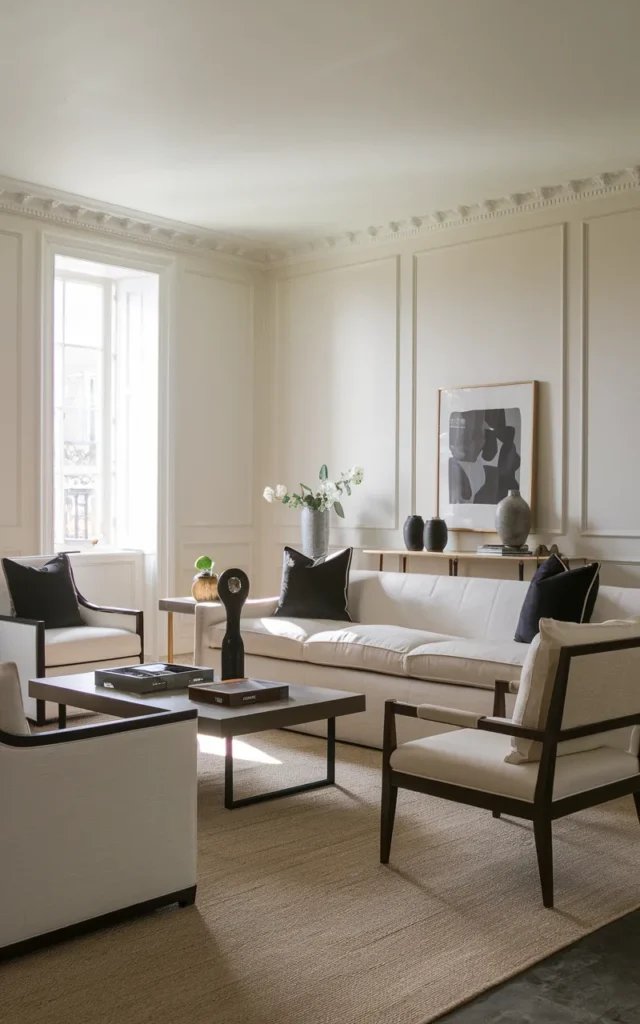
Too much light color can feel flat.
Add depth with darker tones—charcoal, deep brown, or muted black.
Just a little. Enough to ground the space.
Final Thoughts
Neoclassical design isn’t about perfection. It’s about balance.
A little structure. A little softness. And a whole lot of intention.
You don’t need to do all 23 ideas at once. Start small—maybe with molding or a better color palette—and build from there.
Trust me, once you get the feel right… everything else falls into place naturally.
