Small spaces can feel tricky. I get it.
One wrong piece of furniture… and suddenly everything feels cramped.
But here’s the good news—you don’t need more space. You just need smarter styling.
I’ve worked with plenty of compact living rooms, and honestly? Some of them turned out better than big ones. More intentional. More cozy. More you.
So let’s walk through 30 small living room decor ideas that actually work. No fluff. Just real, doable changes you can start today ✨
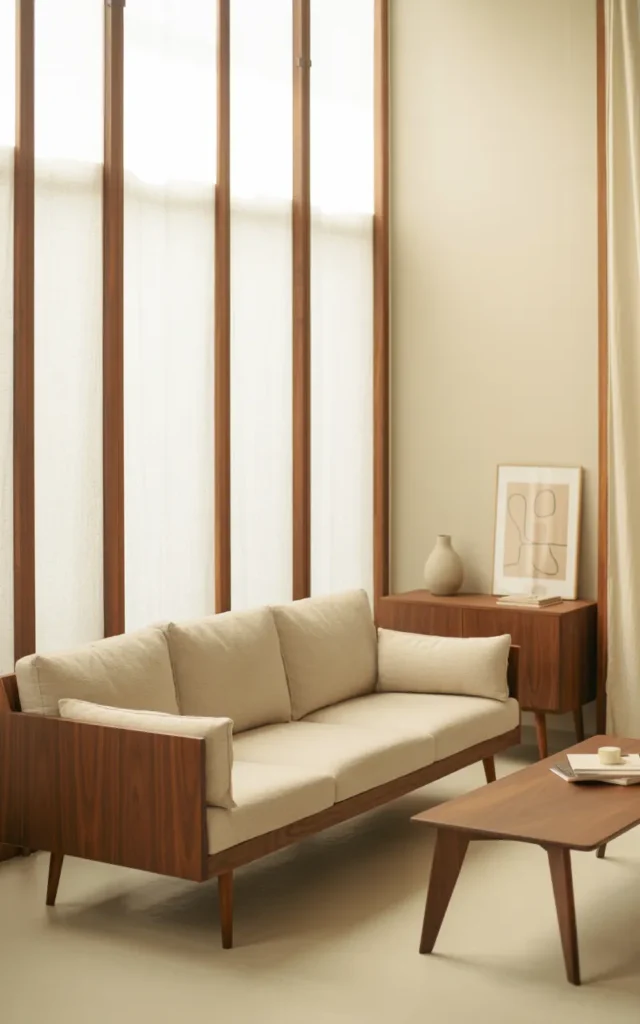
Choose a low-profile sofa that visually expands the room
Start here. Always.
A low-profile sofa changes everything. It sits closer to the ground, which makes your ceiling feel higher. The room breathes better.
I usually stick to neutral tones—soft beige, muted grey, maybe even a warm off-white. It keeps things calm and uncluttered.
Why it works?
Lower furniture tricks the eye. More visible wall space = a more open feel. Simple, but powerful.
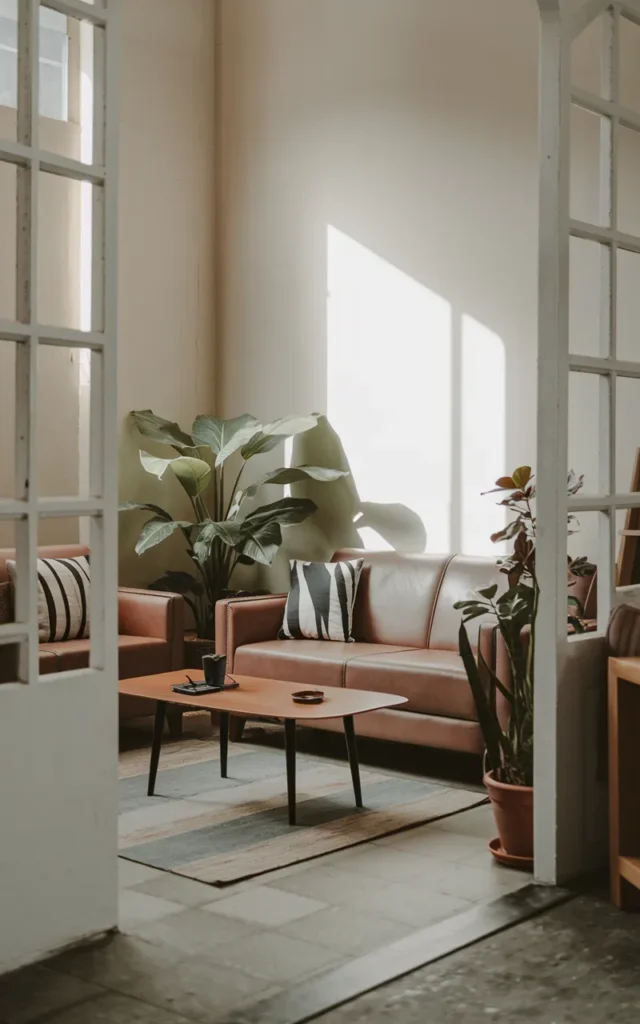
Float your furniture slightly away from the walls
Sounds counterintuitive, right?
But pushing everything against the wall can make a room feel stiff. Even smaller.
Pull your sofa just a few inches forward. Let it breathe.
Why designers do this:
It creates depth. And depth adds dimension. Your space feels styled—not squeezed.
Add a rug that defines the space without overwhelming it
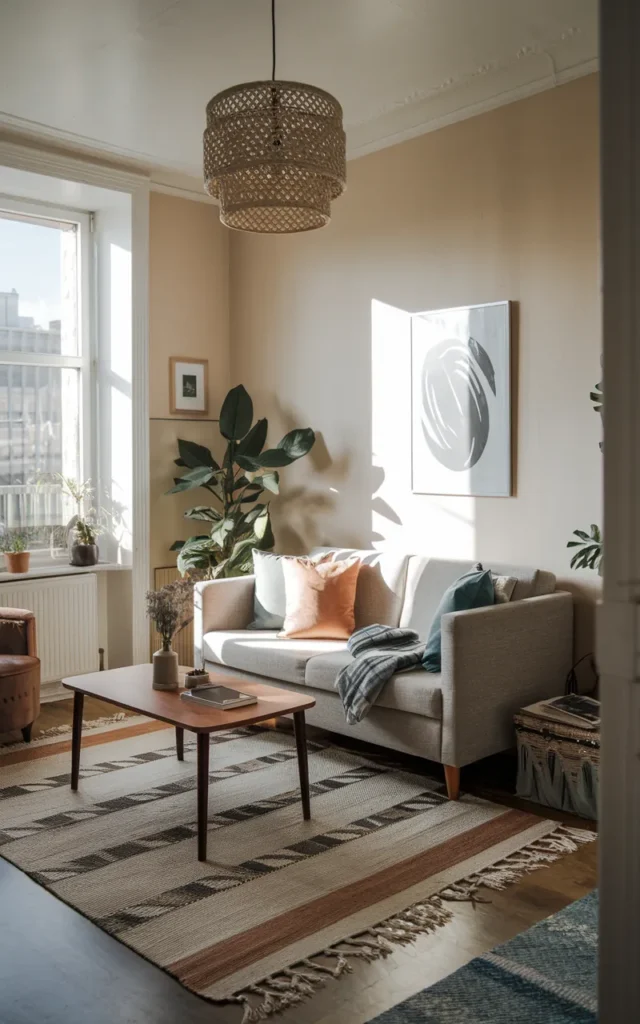
A rug grounds your living room.
But in small spaces, size matters. Too small feels disconnected. Too big can overpower.
I usually go medium-sized—big enough to anchor the sofa area.
Thumb Rule:
At least the front legs of your sofa should sit on the rug. It ties everything together nicely.
Style a gallery wall that draws the eye upward
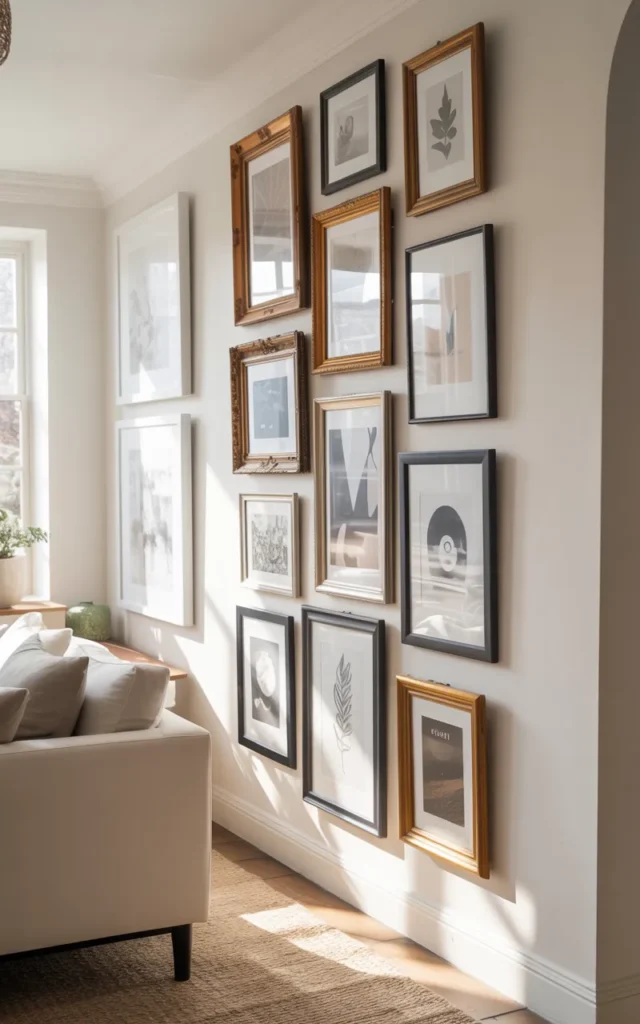
This is where things get fun.
A gallery wall adds personality without taking up floor space. Perfect for small living rooms.
I like mixing frames—different sizes, same color palette. It keeps things cohesive but interesting.
Remember idea #2 about height? Same logic applies here. Let your gallery climb upward.
Step-by-step instructions:
- Lay out frames on the floor first
- Start with a center piece
- Build outward gradually
- Keep spacing consistent
It’s not about perfection. It’s about expression 🎨
Choose furniture with exposed legs for a lighter look
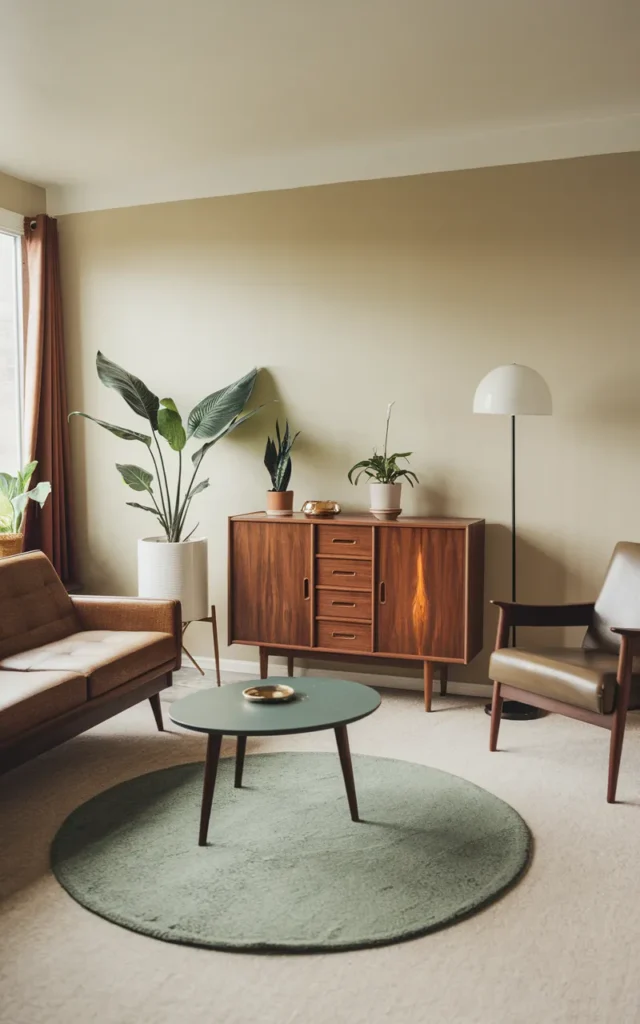
Chunky furniture feels… heavy.
But pieces with exposed legs? They let light pass underneath. The room feels less crowded.
It’s a small detail. But it changes the vibe.
Budget Alternatives:
- Swap legs on existing furniture
- Look for secondhand mid-century pieces
- Use risers to elevate sofas slightly
Same function. Better feel.
Incorporate multi-functional furniture for flexibility
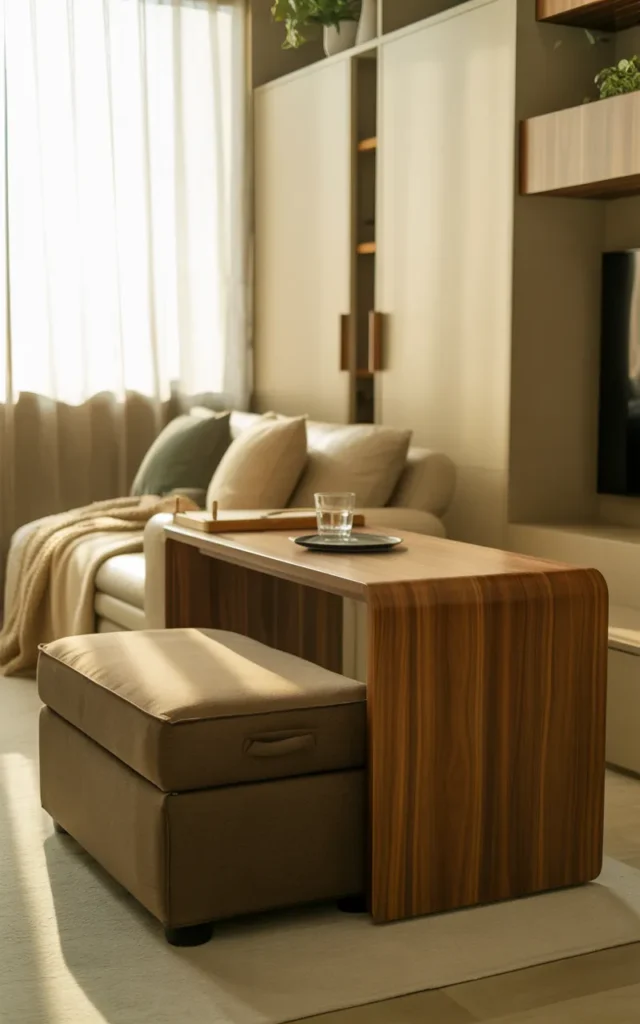
In a small space, every piece should work harder.
Think storage ottomans. Sofa beds. Foldable tables.
You don’t need more furniture. Just smarter furniture.
Checklist:
- Does it serve more than one purpose?
- Can it be tucked away easily?
- Does it add storage?
If yes—you’re on the right track.
Add a statement piece to create a focal point
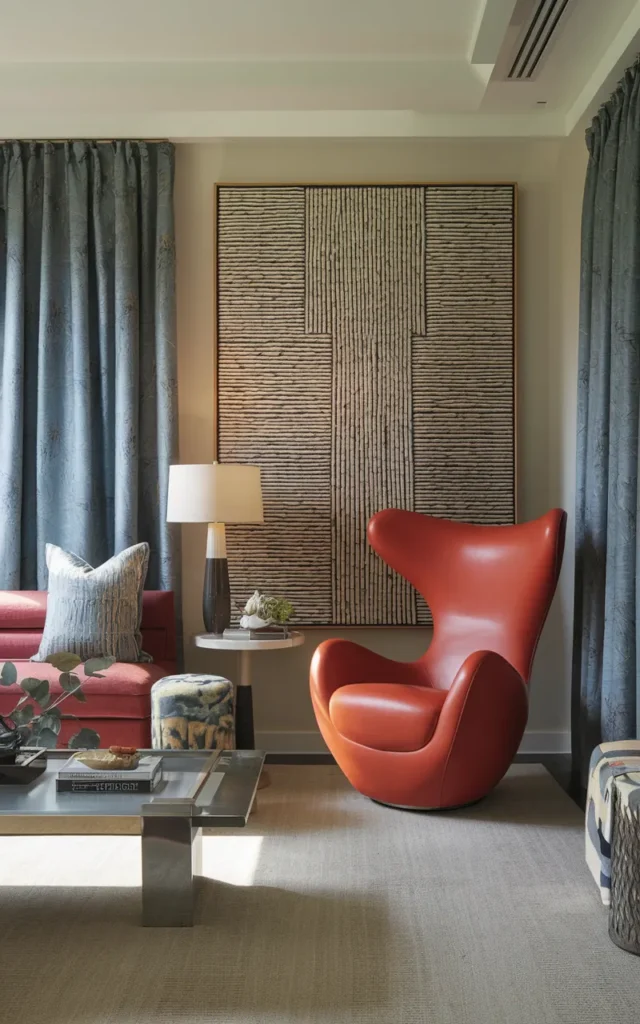
Small room doesn’t mean no drama.
In fact, one bold piece can elevate everything. A striking chair. A unique lamp. Even artwork.
Keep the rest simple. Let this piece shine.
Trend Alert:
Oversized art in small rooms is having a moment—and it works beautifully when done right.
Use floating shelves to display decor without clutter
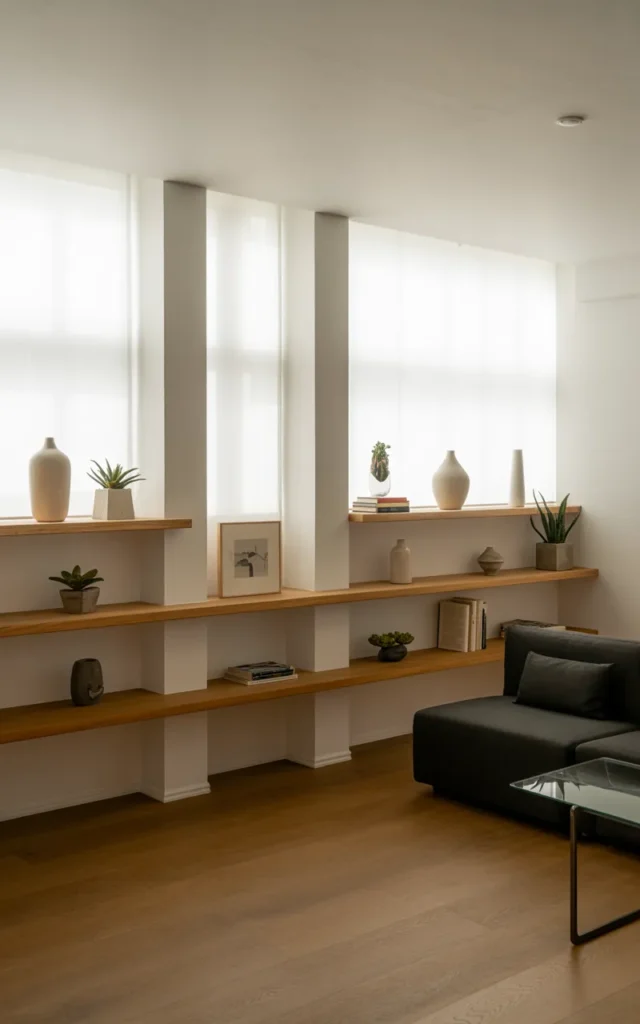
Floating shelves are a lifesaver.
They give you space to style without crowding the floor.
Books. Plants. Small decor pieces. Done.
Do’s & Don’ts:
Do this 👉
- Keep spacing clean
- Mix textures
- Rotate items occasionally
Not this ❌
- Overload every shelf
- Use mismatched chaos
- Forget balance
Use a monochrome palette for a cohesive look
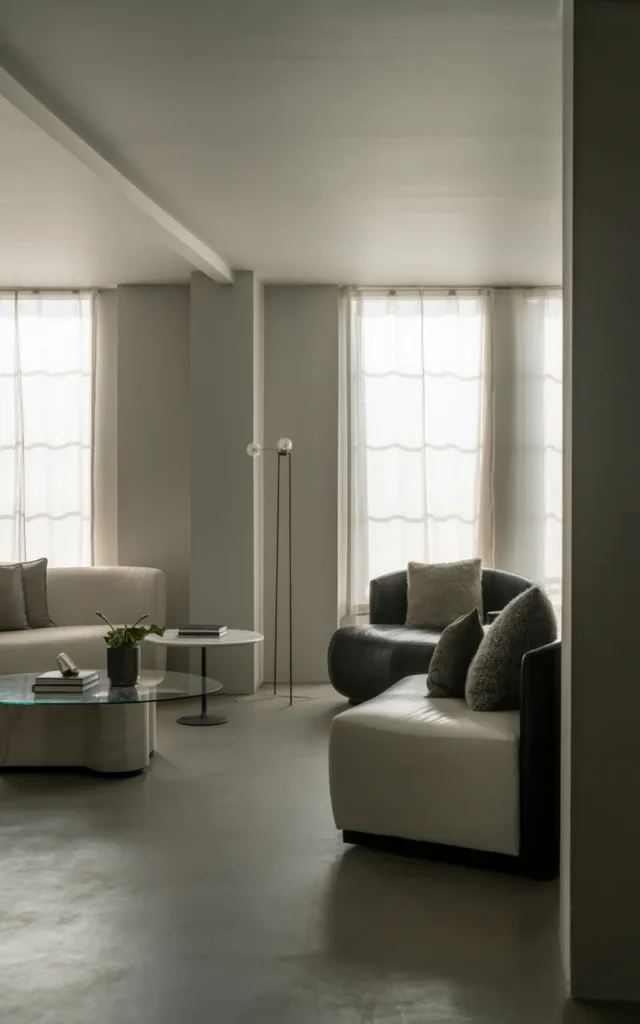
Too many colors can overwhelm a small room.
Instead, stick to one palette. Different shades. Same family.
It feels put together. Effortless.
Colour swap suggestion:
| If you like | Try this instead |
| Bright white | Warm ivory |
| Dark grey | Soft charcoal |
Subtle shifts. Big impact.
Create zones using rugs or lighting
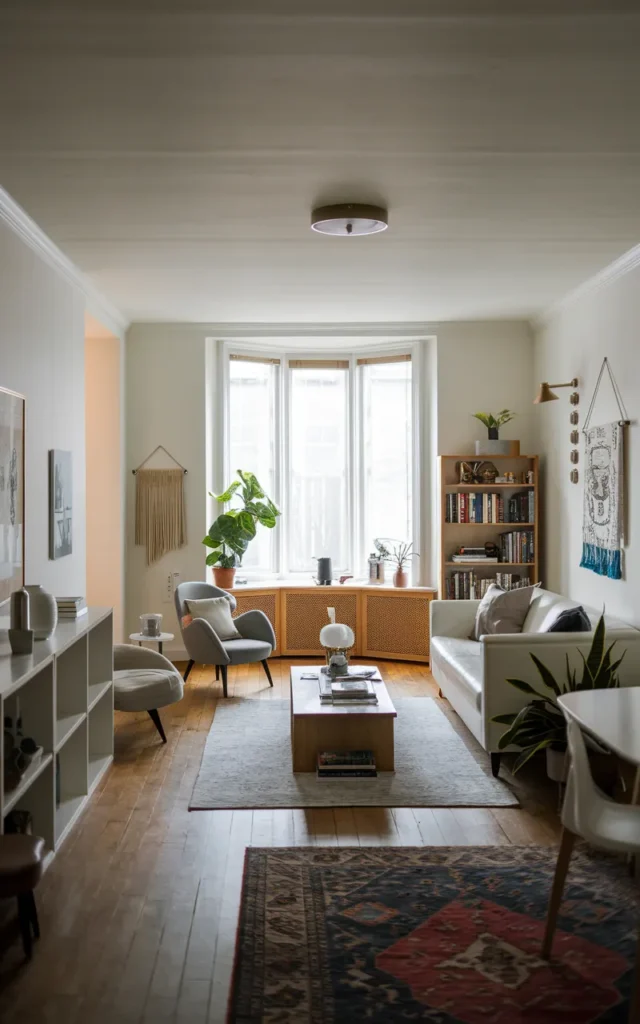
Even small living rooms can have “zones.”
Reading corner. TV area. Relaxing spot.
Use rugs or lighting to define them.
Time required to implement:
Under 2 hours. Seriously. It’s quick—but the effect feels intentional and styled.
Add texture through cushions and throws
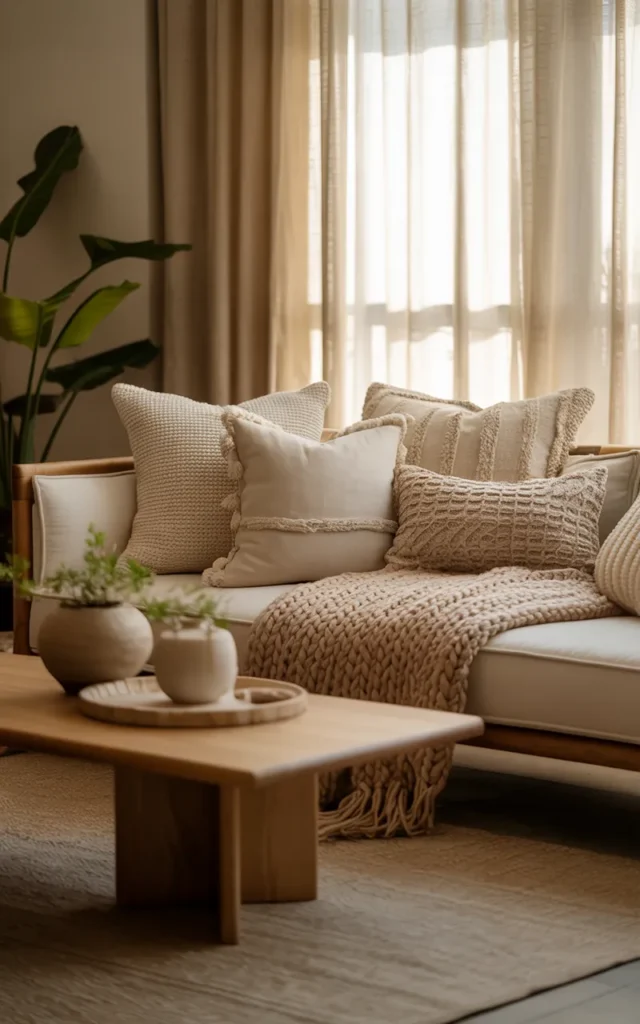
Flat rooms feel boring.
Texture changes that. Instantly.
Mix materials—linen, cotton, maybe a chunky knit throw.
But don’t overdo it.
Vibe check:
- Cozy ✔️
- Soft ✔️
- Inviting ✔️
- Cluttered ❌
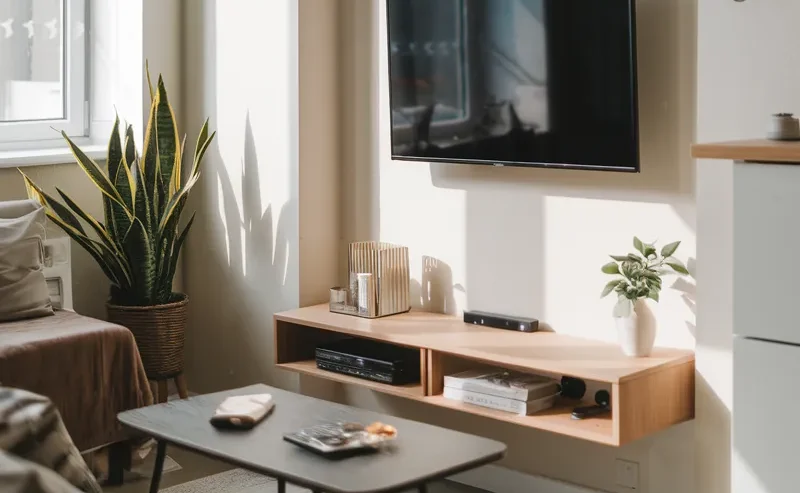
Mount your TV to free up surface space
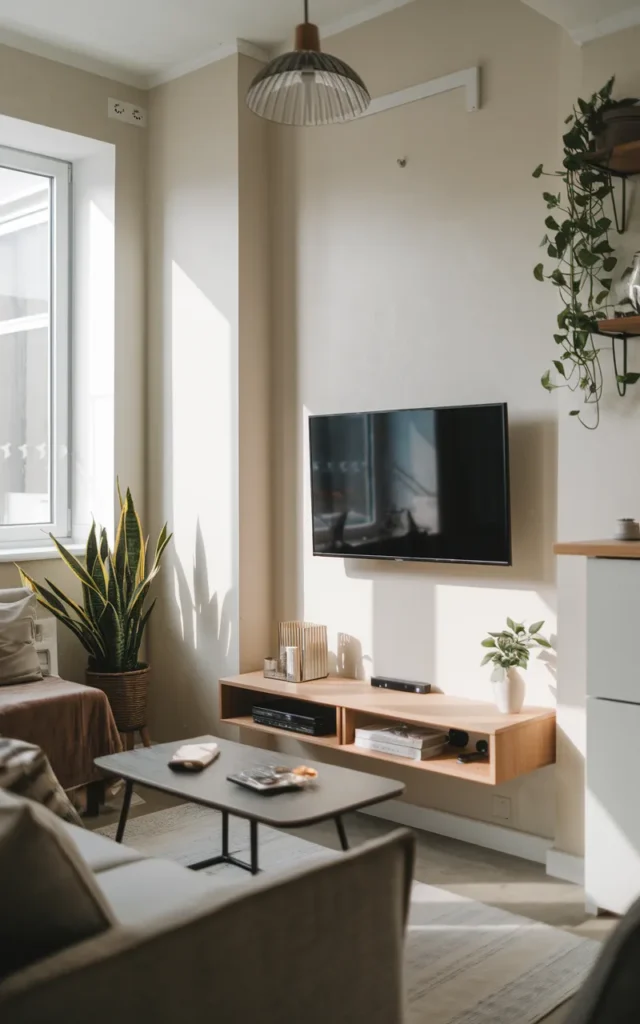
TV units can eat up space.
Wall-mounting solves that.
You free up the floor and gain room for styling.
Upgrade for under $100:
A basic wall mount kit can completely change your layout.
Use slim console tables behind the sofa
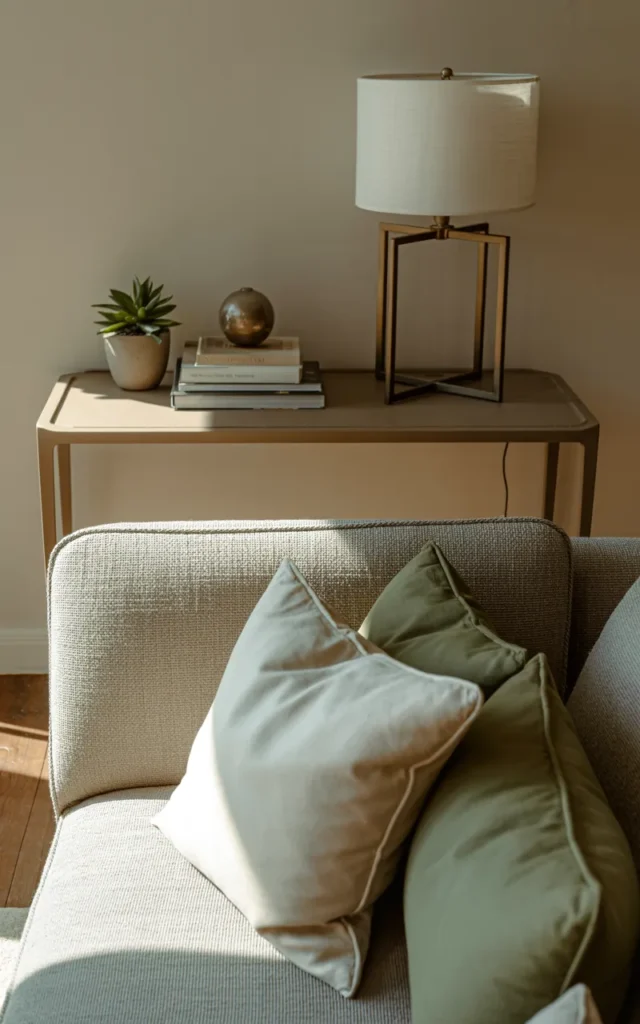
If your sofa floats (like in idea #6), this is perfect.
A slim console table adds function without bulk.
You can style it with a lamp, books, maybe a plant.
It subtly divides space without closing it off.
And it gives you extra surface area—which small rooms desperately need.
Why it works?
It adds depth and purpose to an otherwise unused strip of space. Simple. Smart. Effective.
Hang art slightly larger than you think you need
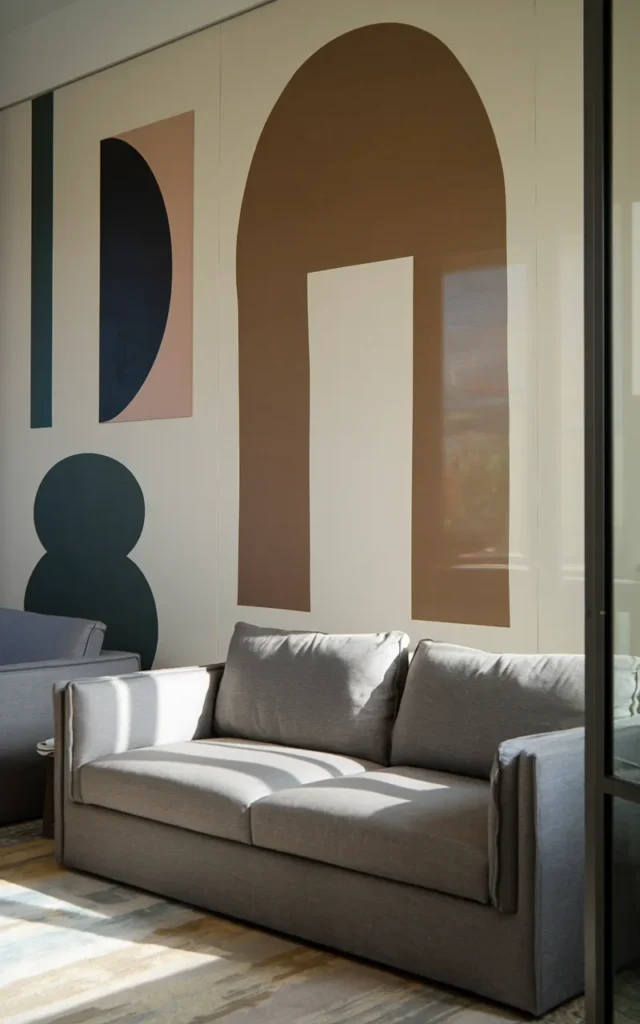
Most people go too small with art.
In a small room, that actually makes things feel… smaller.
Go bigger. Bolder.
One large piece often works better than multiple tiny ones (unless you’re doing a gallery wall like in idea #11).
One rule to remember:
Scale matters more than quantity. Get that right, and everything else falls into place.
Keep pathways clear for better flow
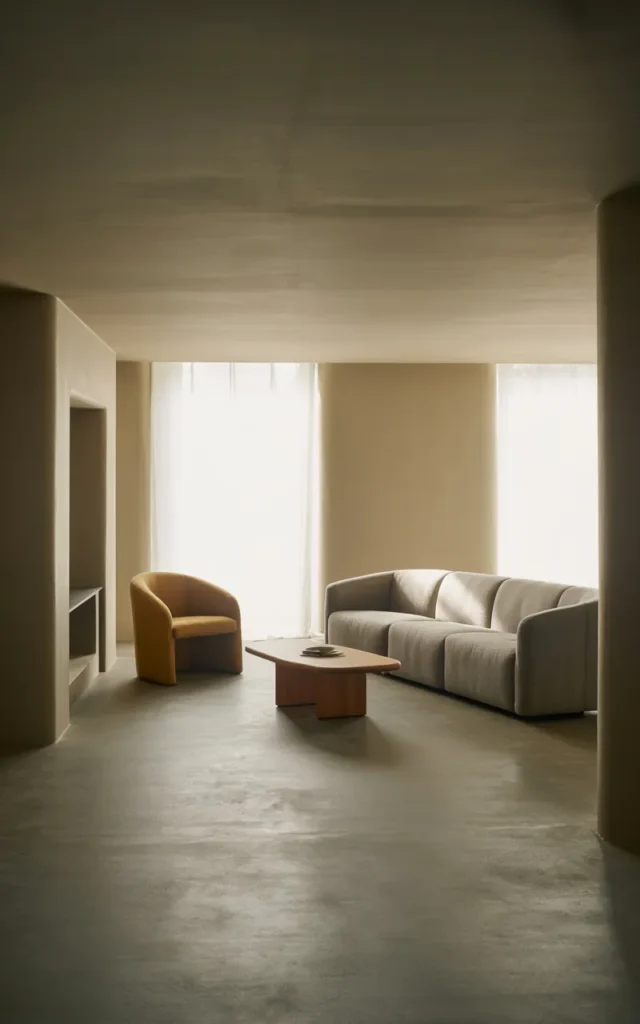
You should be able to move freely.
No squeezing. No awkward turns.
Even the prettiest room fails if it feels cramped.
So take a step back. Walk through your space.
Adjust where needed.
Common Mistakes to Avoid:
- Blocking natural pathways
- Overfilling corners
- Ignoring door clearance
Good flow makes a small room feel bigger than it is 🚶♂️
Use mirrors in unexpected places for depth
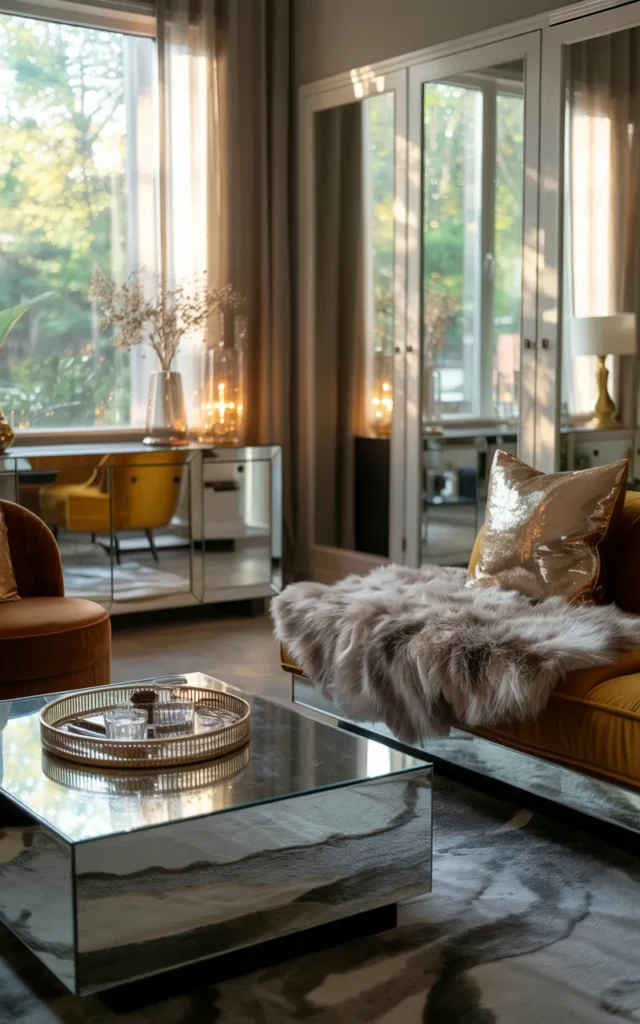
We talked about mirrors earlier (idea #3).
But don’t stop there.
Try mirrored trays. Cabinet doors. Even small accent pieces.
They catch light in subtle ways.
And that layered reflection adds dimension.
Surprise Fact:
Even small reflective surfaces can visually expand a space when placed thoughtfully.
Choose armless chairs to reduce visual bulk
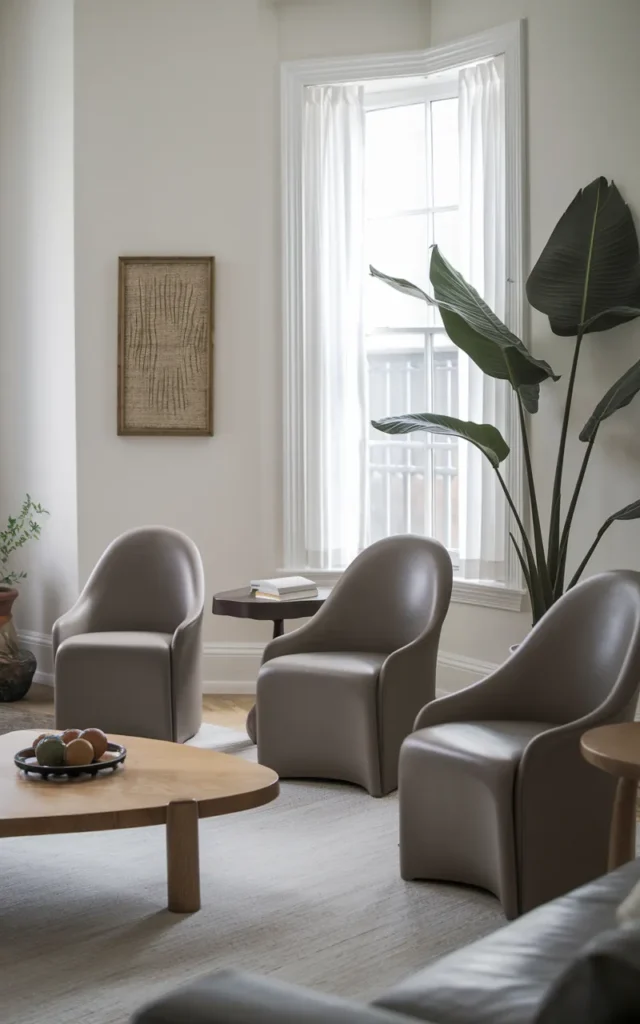
Arms add weight. Visually.
Armless chairs feel lighter. Easier.
They also tuck away neatly when not in use.
Perfect for tight layouts.
How to steal this look:
Pair one armless chair with your sofa. Keep the lines clean. Add a soft cushion for comfort.
Stick to a consistent material palette
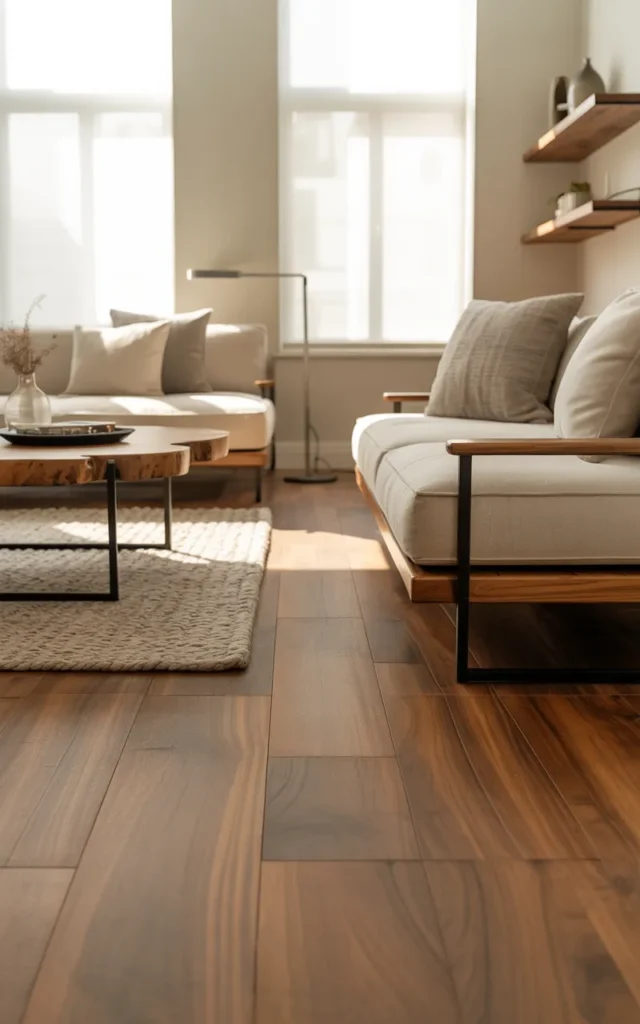
Too many finishes = visual chaos.
Wood, metal, fabric—choose 2 or 3 and repeat them.
It creates harmony.
Even if your space is small, it feels intentional.
Style match guide:
| Material | Pairs well with |
| Light wood | White + linen |
| Black metal | Neutral tones |
Consistency is underrated—but powerful.
Add wall-mounted lighting to save space
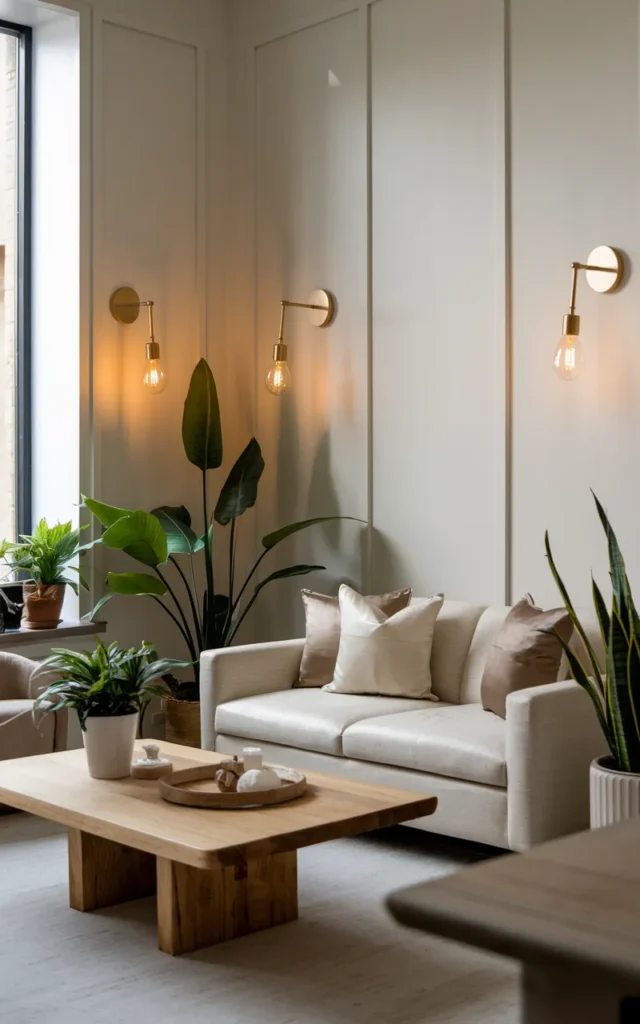
Floor lamps take up space.
Wall-mounted lights? Not so much.
They free up surfaces and look super sleek.
Especially near sofas or reading corners.
Trend callout:
Plug-in sconces are everywhere right now—and they’re renter-friendly too.
Edit your space regularly to keep it fresh
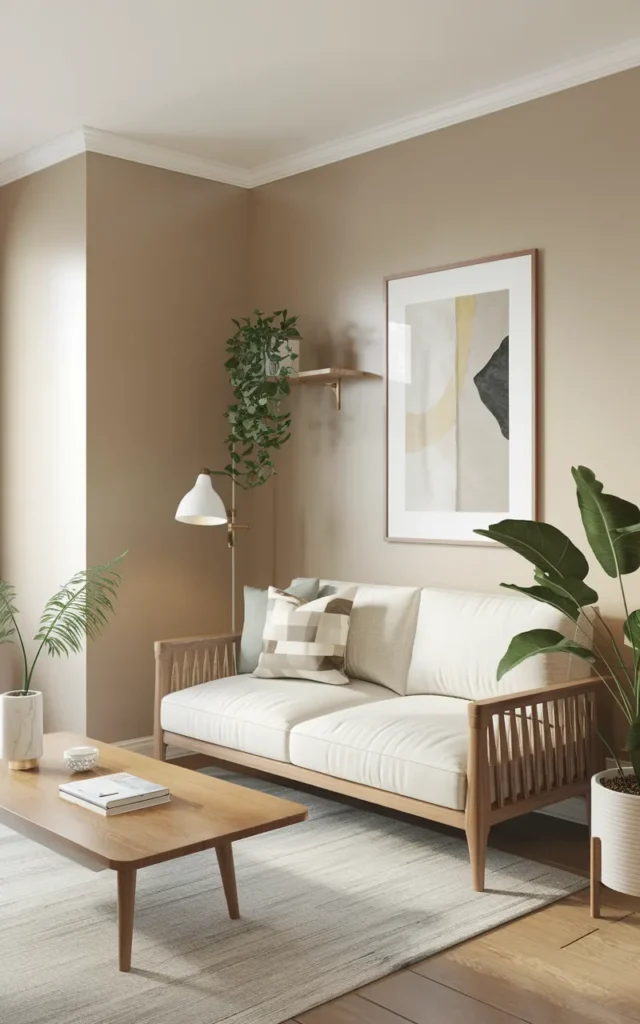
This one matters more than you think.
Small spaces change quickly. What worked last month… might feel off now.
So edit.
Remove what no longer fits. Rearrange. Refresh.
Remember idea #8 about intentional decor? This is how you maintain it.
A pull quote:
“Your space should evolve with you—not overwhelm you.” And honestly… that’s the whole goal.
Final Thoughts
Small living rooms aren’t a limitation. They’re an opportunity.
To be intentional. To be creative. To design a space that truly reflects you.
You don’t need to try all 20 ideas. Start with one. Maybe two.
See how it feels. Adjust. Build from there.
And before you know it… your small living room won’t feel small at all 💛
