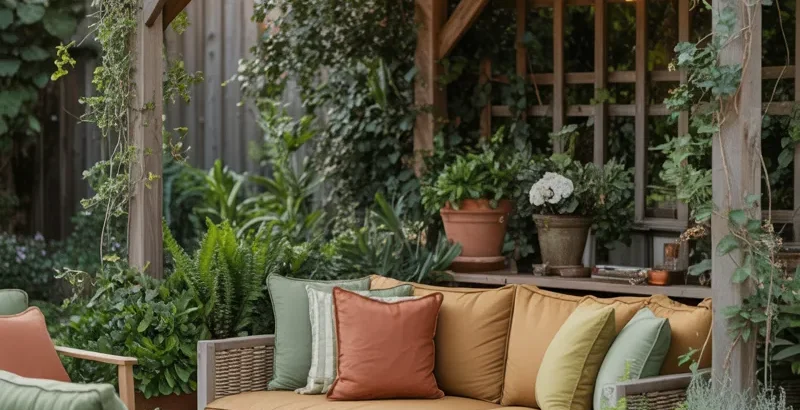
A backyard garden can be so much more than a patch of grass with a few plants around the edges. I like thinking of it as another room of the home—just one with fresh air, sunshine, and a little more freedom to experiment. 🌿
You don’t need a huge backyard, either. A few well-placed plants, a defined sitting area, or even a simple pathway can completely change how the space feels.
Whether you want something lush and romantic, clean and modern, or relaxed and cottage-inspired, these 22 backyard garden ideas will give you plenty of ways to make your outdoor space feel personal and inviting.
Create a Layered Garden Border Around the Yard
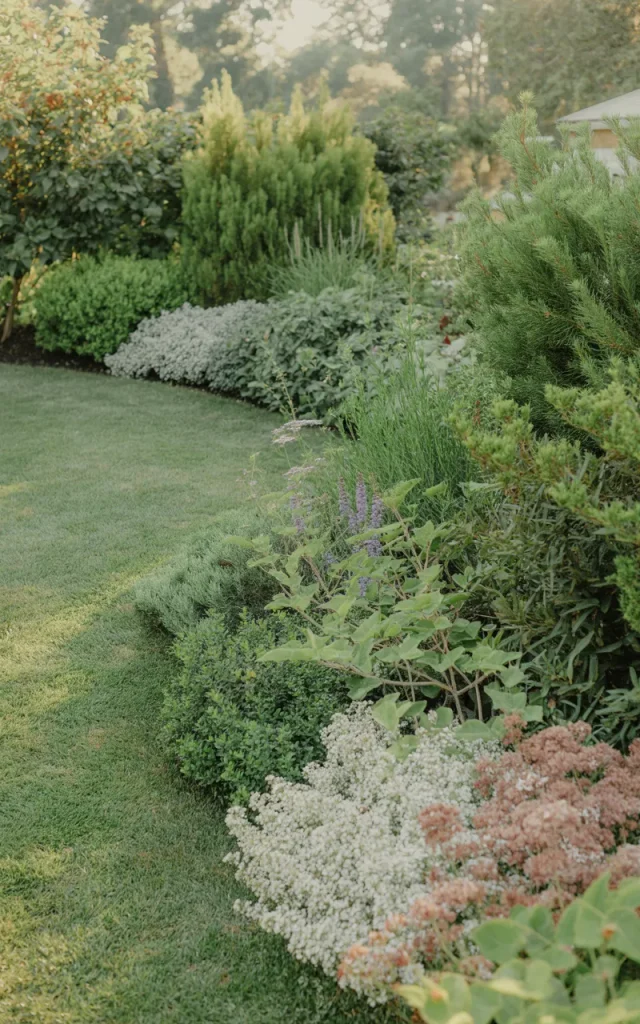
Start by turning the edges of your backyard into a layered garden border. I love this because it adds greenery without taking away too much usable space from the center of the yard.
Place taller shrubs or ornamental grasses toward the back, medium-height plants in the middle, and low-growing flowers along the front. Repeating a few varieties keeps everything connected rather than making the border look random.
Why it works?
The different heights create depth and make even a modest backyard feel fuller. 🌱
Add a Stone Path Through the Garden
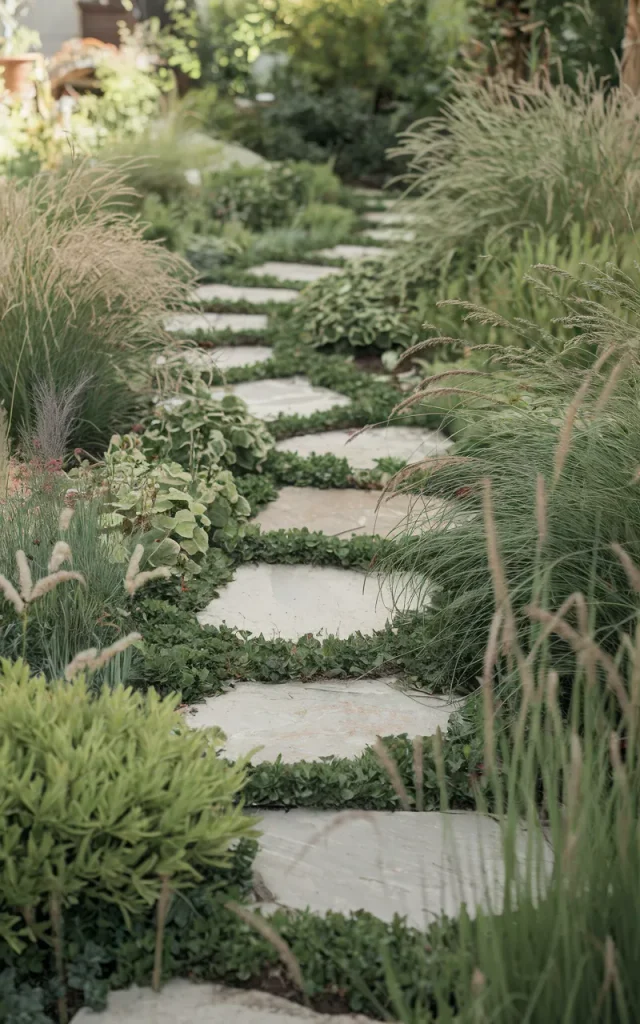
Create a winding stone path that leads from one part of your backyard to another. I prefer slightly irregular stepping stones because they feel softer and more natural than a perfectly straight walkway.
Surround the stones with low ground cover, small flowering plants, or ornamental grasses. Leave little gaps between some plants so the pathway doesn’t feel crowded.
A Micro-tip:

Don't make the path too narrow. Give yourself enough room to walk comfortably while carrying a watering can, garden basket, or tray of drinks.
Plant a Cozy Herb Garden Near the Patio
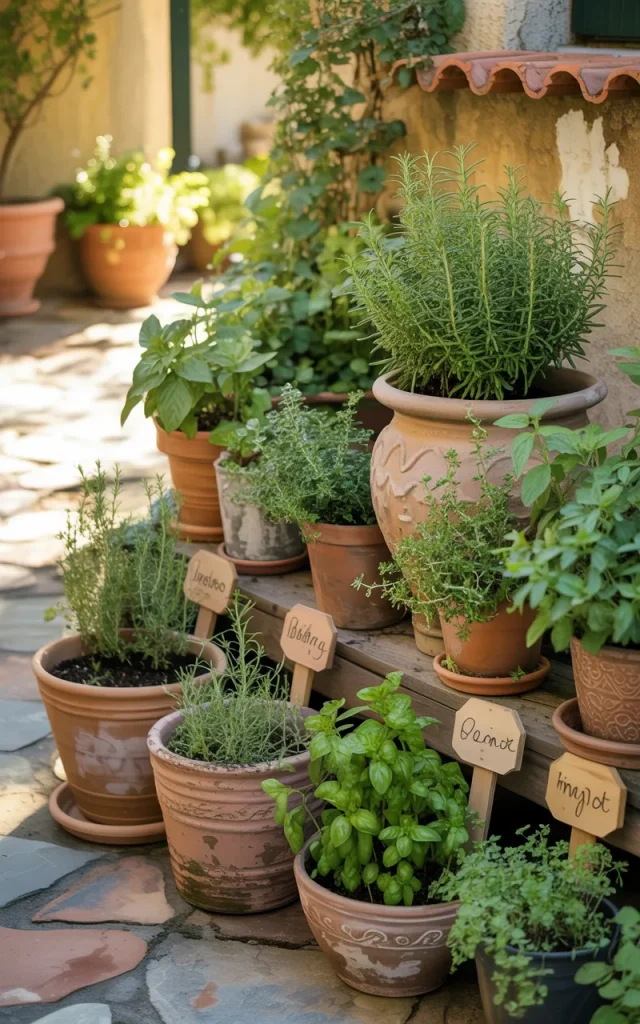
Bring useful greenery closer to the house by creating a small herb garden beside your patio. I love having herbs within easy reach because you’re much more likely to use them when cooking.
Try rosemary, basil, mint, thyme, oregano, or parsley depending on your climate. Use terracotta pots, raised planters, or a narrow garden bed to keep everything organized.
Quick Tip:

Keep mint in its own container because it can spread aggressively.
Hang Flower Baskets Around the Patio
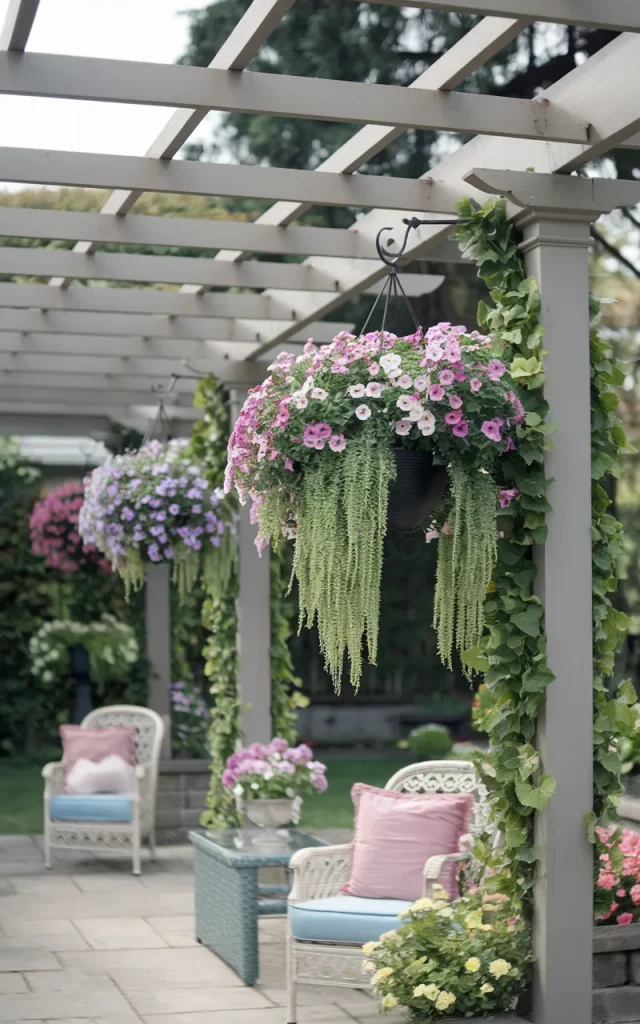
Bring the garden upward by hanging flower baskets from a covered patio, pergola, fence, or sturdy overhead structure. This is one of my favorite tricks when floor space is limited.
Choose trailing plants that naturally spill over the sides of the baskets. Keep several baskets in the same general color family so the arrangement feels intentional.
Hang them at different points around the seating area rather than clustering everything in one spot.
Instant Gratification Tip:
If you want the backyard to look finished quickly, established hanging baskets can create an immediate burst of greenery and flowers while smaller plants are still growing.
Arrange a Garden Seating Nook
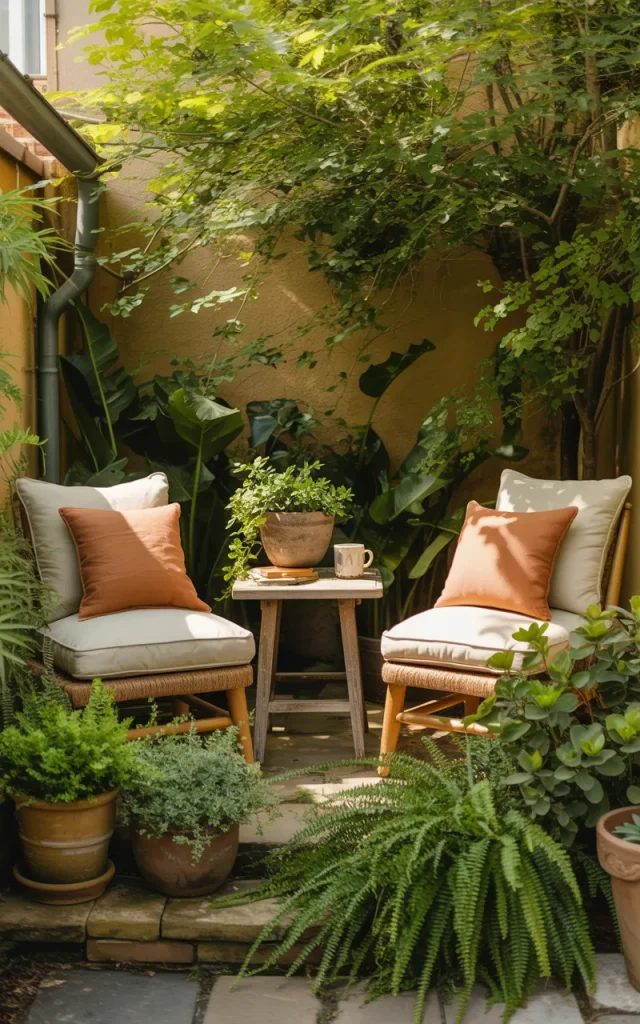
Turn a quiet corner of the backyard into a little garden retreat. I would start with two comfortable chairs and a small table rather than trying to furnish the entire yard.
Surround the seating with greenery, potted plants, or a low garden border. A nearby tree can provide natural shade, while a simple outdoor umbrella works when there isn’t one.
Choose cushions in earthy colors like olive, cream, terracotta, or warm beige.
Pro-tip:
Position the chairs toward the garden rather than toward the house. Suddenly, sitting outside feels like an intentional experience instead of simply moving your living room outdoors. ☕🌿
Grow Climbing Plants Along a Trellis
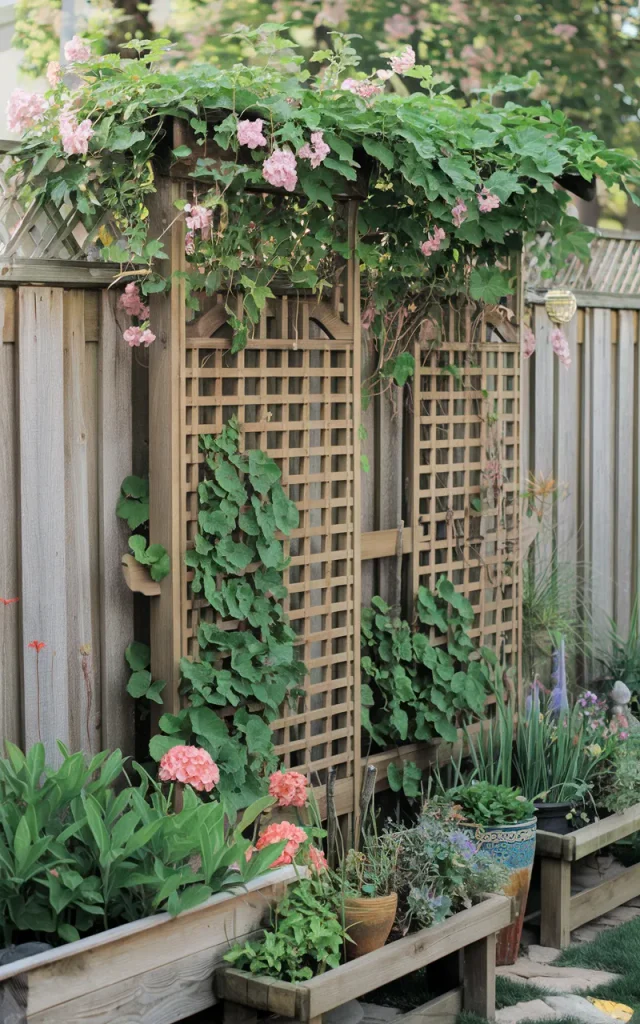
Install a trellis against a fence or wall and let climbing plants turn a plain vertical surface into a living feature.
Depending on your climate and garden conditions, you might use flowering climbers, vines, or edible plants. Make sure the structure is sturdy enough for the mature plant you choose.
I particularly like this idea for narrow backyards because it uses vertical space rather than valuable floor area.
Budget Alternatives
- Use a simple wooden lattice.
- Repurpose a sturdy garden screen.
- Create a basic frame from suitable outdoor-rated poles.
- Train smaller vines along existing fencing.
Give the plant somewhere secure to climb, and it will gradually become part of the architecture of the backyard.
Define the Garden With Natural Edging
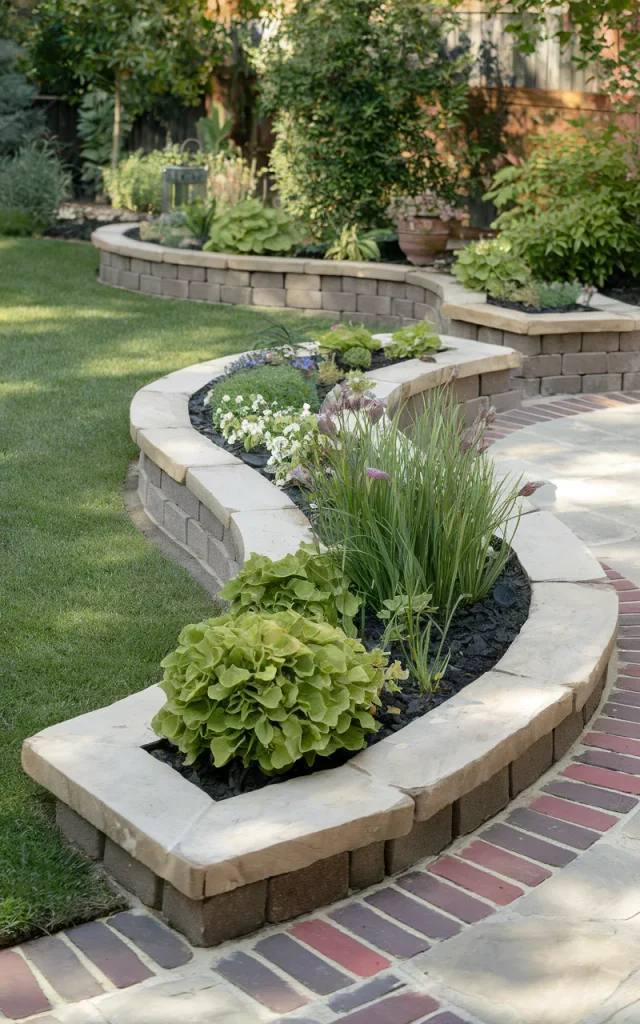
Give your planting areas a cleaner appearance by defining them with natural-looking edging. Stone, brick, timber, or other weather-suitable materials can visually separate the garden from the lawn.
I prefer low edging because it provides definition without making the backyard feel boxed in.
Follow the natural shape of your garden rather than forcing everything into sharp geometric lines. Curved edges can make a small backyard feel softer and more spacious.
Quick Tip:

Keep the edging consistent throughout the yard. Using one primary material in several areas creates a subtle sense of cohesion.
Install a Pergola Over a Garden Seating Area
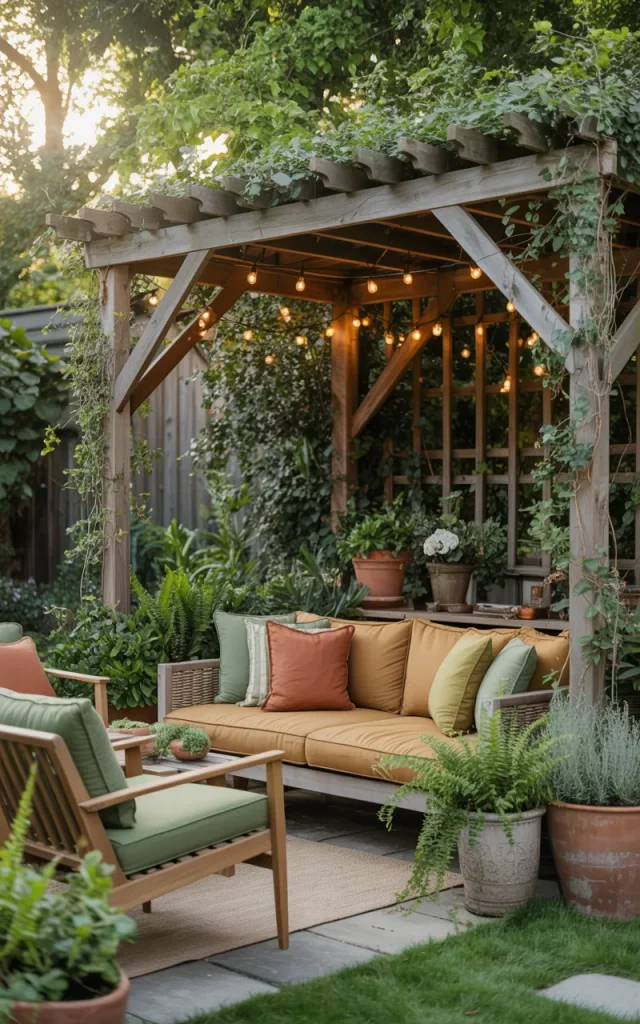
Create a destination in your backyard by placing a pergola over a small seating area. It doesn’t have to cover the entire patio. In fact, a compact structure can feel much more intimate.
Add climbing greenery around one or two sides, then furnish the space with a comfortable outdoor sofa or a pair of lounge chairs. String lights can add a warm glow once the sun goes down. ✨
Trend callout:

Outdoor spaces are increasingly being treated like extensions of the home's living areas, so creating a dedicated garden room can make the backyard feel much more intentional.
Line the Fence With Tall Garden Plants
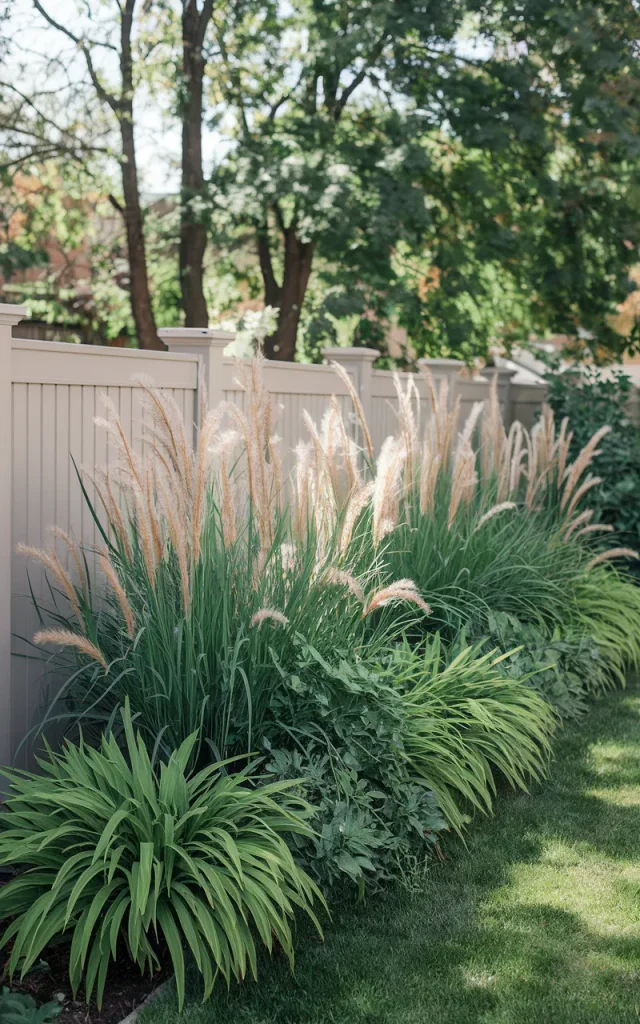
Soften a plain backyard fence by planting taller greenery along its base. This works particularly well when the fence itself feels visually harsh or dominates the view.
Use ornamental grasses, shrubs, bamboo where appropriate, or other plants suited to your local conditions. Vary the heights slightly rather than creating one perfectly uniform wall of greenery.
One rule to remember:

Check the mature size of every plant before planting. 🌾
Add a Small Garden Pond
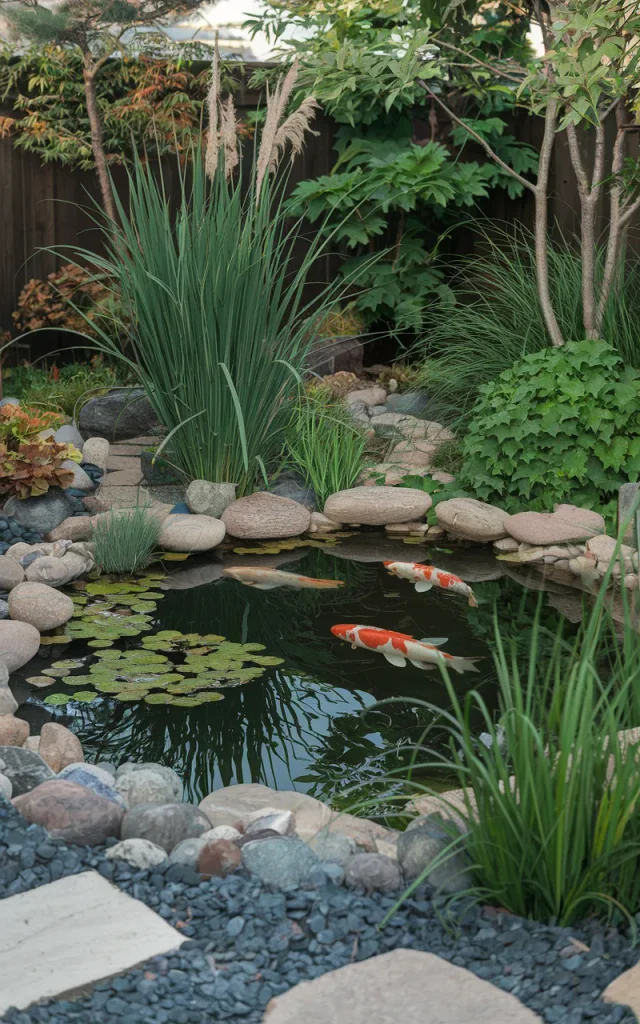
Introduce water by adding a compact garden pond to one quiet corner of the backyard. Even a small water feature can create a different mood because it adds movement, reflection, and gentle sound.
Surround the pond with natural stones, moisture-tolerant plants, and a few taller grasses. Keep the planting relaxed rather than creating a perfectly symmetrical border.
Why designers do this:
Water can become a visual focal point while also giving the garden a sense of depth.
Grow Fragrant Plants Near the Seating Area
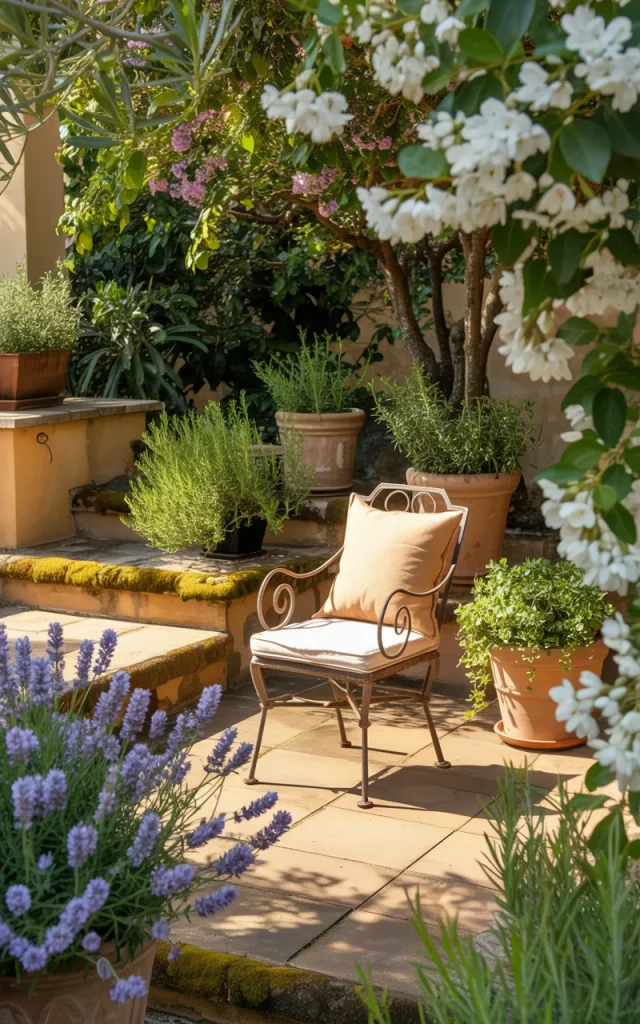
Place fragrant plants where you’ll actually experience them. This might be beside a patio chair, along a garden path, or around an outdoor dining area.
Depending on your climate, consider aromatic herbs, flowering shrubs, jasmine, lavender, or other suitable fragrant plants. The goal isn’t to fill the entire yard with strong scents.
Vibe check
- 🌿 Relaxed: Mix herbs with soft greenery.
- 🌸 Romantic: Add fragrant flowering plants.
- ☀️ Mediterranean-inspired: Combine aromatic herbs with warm stone.
- 🌱 Modern: Use fewer varieties in repeated clusters.
I especially like this idea around seating because fragrance becomes part of the experience rather than something you simply see from a window.
Turn a Fence Into a Vertical Garden
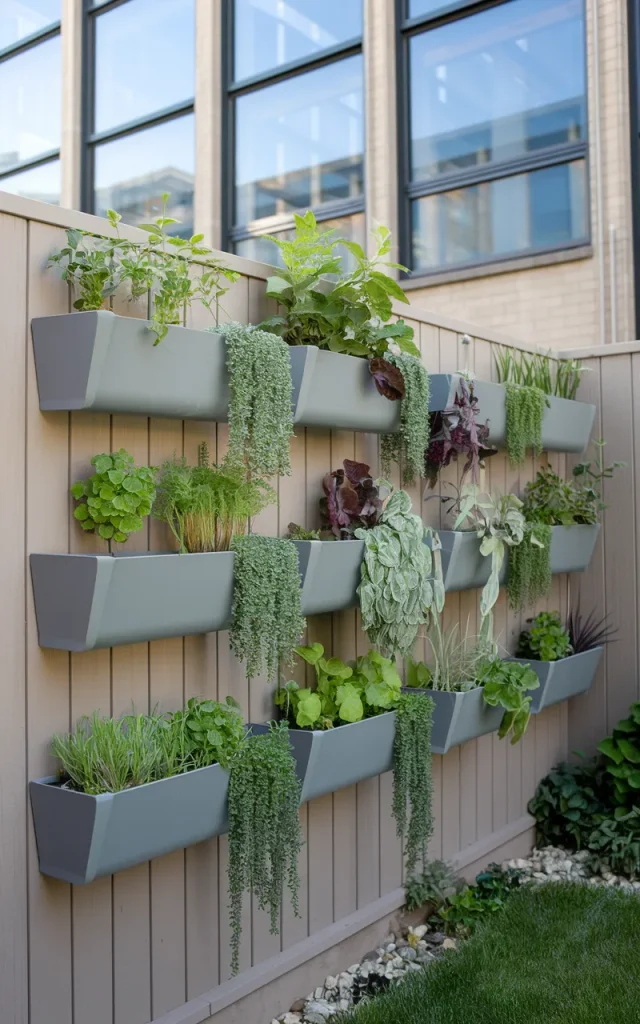
Make a plain fence work harder by adding vertical planters, wall-mounted pots, or suitable hanging containers. I love this approach for small backyards where every square foot matters.
Group plants by their sunlight and watering needs rather than purely by appearance. Herbs can occupy one section while ornamental plants fill another.
Small space hack:

Use vertical repetition. Several matching planters arranged in a neat grid can look much more polished than a collection of unrelated containers.
Add a Gravel Garden Around Potted Plants
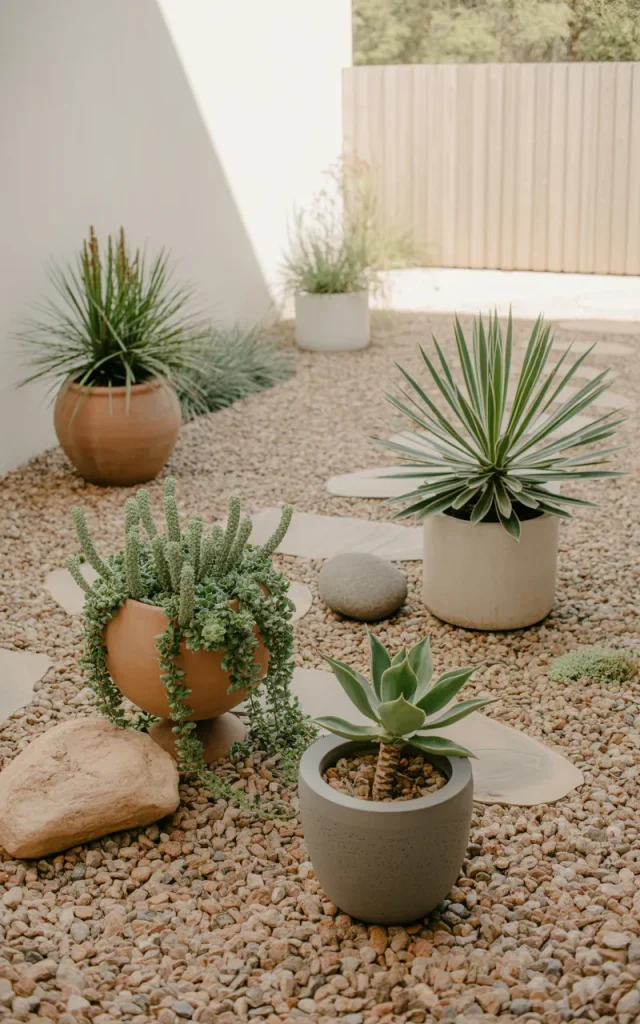
Create a low-maintenance garden zone using gravel as the base and placing selected plants throughout it. This can be especially useful in areas where traditional lawn isn’t practical.
Choose a gravel color that works with your home’s exterior and garden structures. Then add larger stones, containers, or architectural plants for contrast.
Budget Alternatives
- Start with one small gravel section instead of covering the whole yard.
- Reuse suitable existing pots.
- Buy plants gradually rather than all at once.
- Use locally available stone or gravel.
I like keeping the composition simple. A restrained selection of plants surrounded by open gravel can look surprisingly elegant.
Plant a Butterfly-Friendly Garden
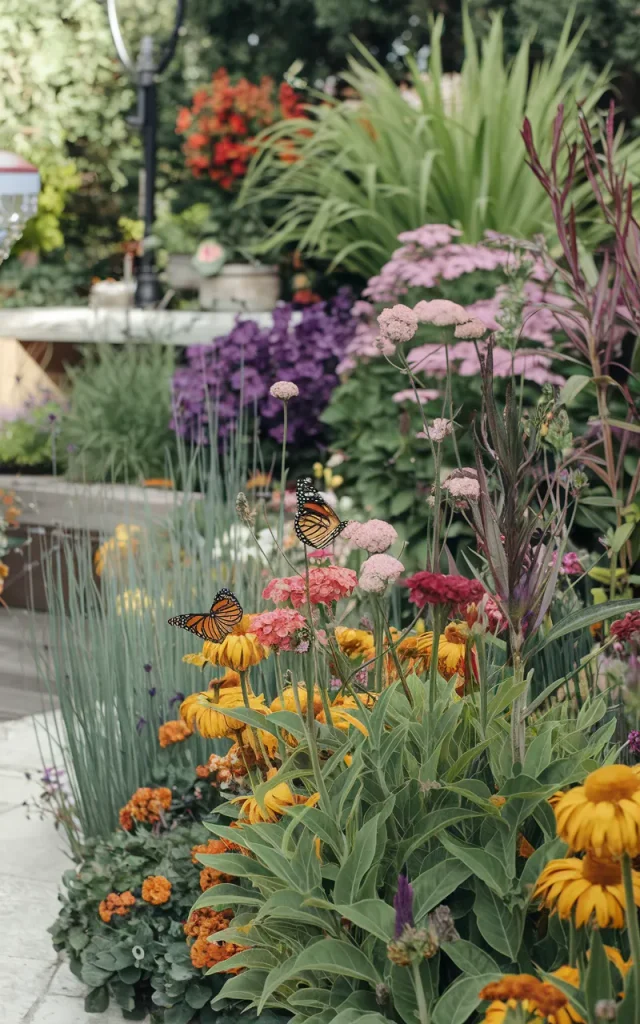
Invite butterflies into your backyard by creating a garden filled with suitable nectar-rich flowers and host plants. Choose species that are appropriate for your region rather than simply selecting whatever happens to look attractive at the nursery.
Group several plants together so the garden feels abundant. Include different heights and bloom periods where possible.
Actionable Tip
- Research butterflies common to your area.
- Choose suitable host and nectar plants.
- Group plants according to their growing needs.
- Avoid overcrowding.
- Provide a sunny resting area.
Skip the temptation to make everything perfectly manicured. A little natural growth can make the garden more welcoming to visiting pollinators. 🦋
Build a Secret Garden Corner
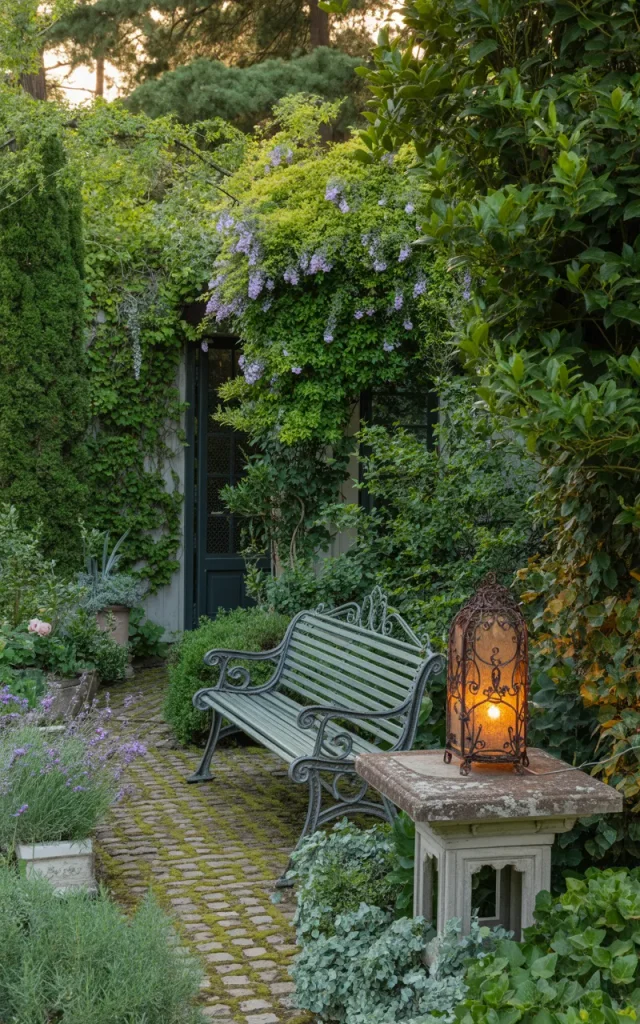
Tuck a small seating area behind taller plants, shrubs, or a simple garden screen to create a secret-garden feeling. This doesn’t require a huge backyard.
Start by choosing one corner that already feels slightly secluded. Add a bench or comfortable chair, then soften the surrounding edges with layered greenery.
A narrow pathway leading toward the space can make the destination feel even more special. I love using arches or climbing plants near the entrance if the layout allows.
What most people get wrong:
They try to make the entire backyard feel like a secret garden. You don’t need to. The charm comes from having one slightly hidden destination.
Create a Garden Dining Area
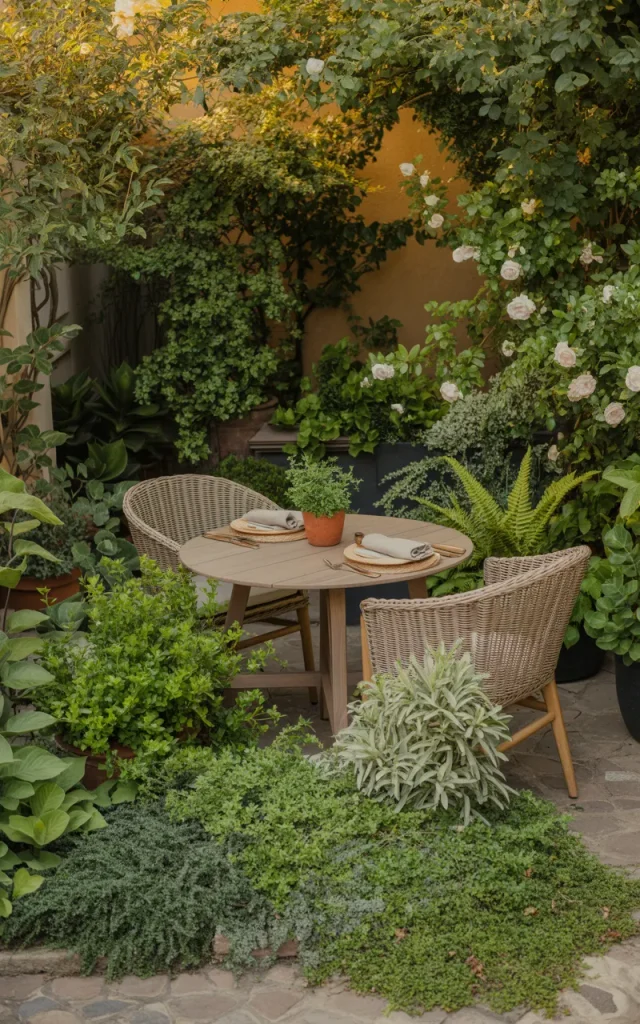
Combine your backyard garden with outdoor dining by placing a table directly beside lush planting. I find this much more inviting than putting a dining set in the middle of an empty patio.
Use a compact dining table if space is limited. Surround it with potted herbs, flowering plants, or a low border so greenery becomes part of the backdrop.
Layer it like this
- Low plants around the seating zone
- Medium-height greenery behind the table
- Taller plants or shrubs toward the fence
- Overhead greenery or a pergola if available
- Soft outdoor lighting for evening meals
Keep the table surface simple. A vase of garden flowers and a few natural textures are usually enough.
Mix Edible Plants With Ornamental Flowers
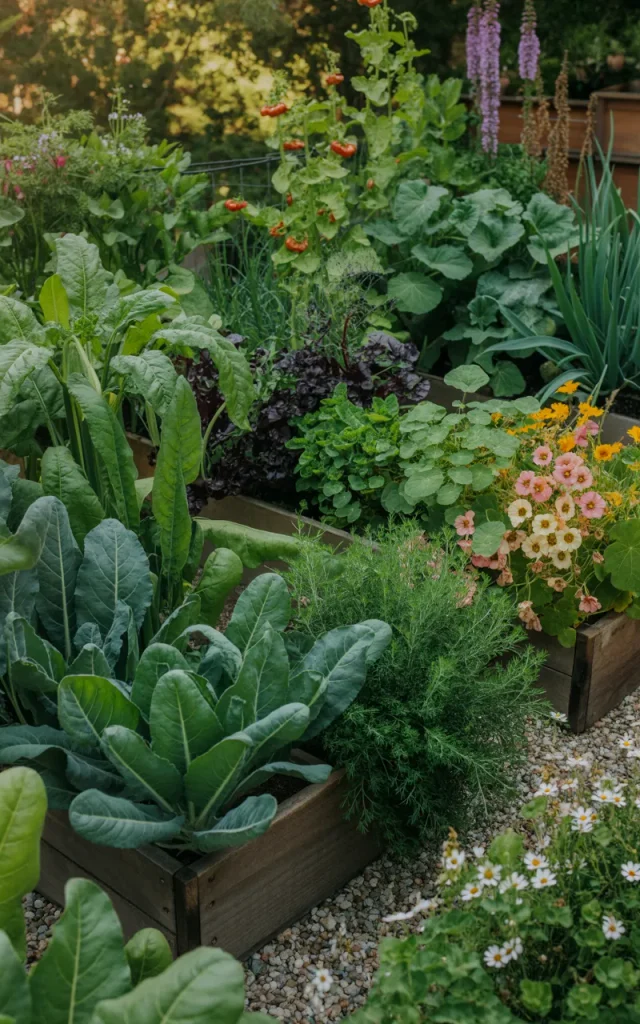
Blend vegetables, herbs, and flowers in the same garden beds instead of separating everything into strict categories. This creates a backyard garden that looks decorative while still being productive.
Try combining leafy greens with flowering plants, herbs with ornamental grasses, or compact vegetables with seasonal flowers. The contrast in textures can be surprisingly pretty.
Myth-buster:

An edible garden doesn't have to look like a traditional vegetable plot.

Choose plants with similar light and watering requirements so maintenance stays manageable. 🌱
Create a Mediterranean-Inspired Garden
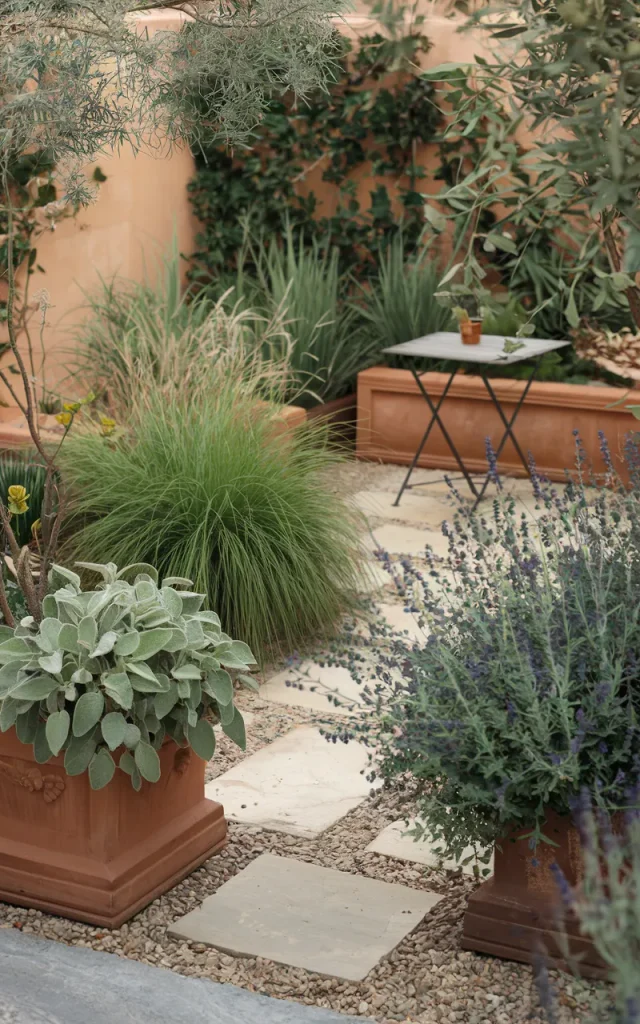
Bring a relaxed Mediterranean feeling to your backyard with warm textures, earthy colors, and drought-tolerant plants suited to your local conditions.
Start with terracotta containers, natural stone, gravel, or warm-toned paving. Then add suitable herbs, grasses, shrubs, and architectural plants that can handle the conditions of your region.
Colour swap suggestion
| Instead of | Try |
| Cool gray | Warm beige |
| Bright white | Cream |
| Dark green | Sage |
| Cool brown | Terracotta |
| Silver metal | Aged bronze |
Add a simple bench or bistro table near the planting. I wouldn’t overdecorate this style. The beauty comes from the relaxed combination of plants, texture, and warm materials.
Add Garden Lighting Along the Paths
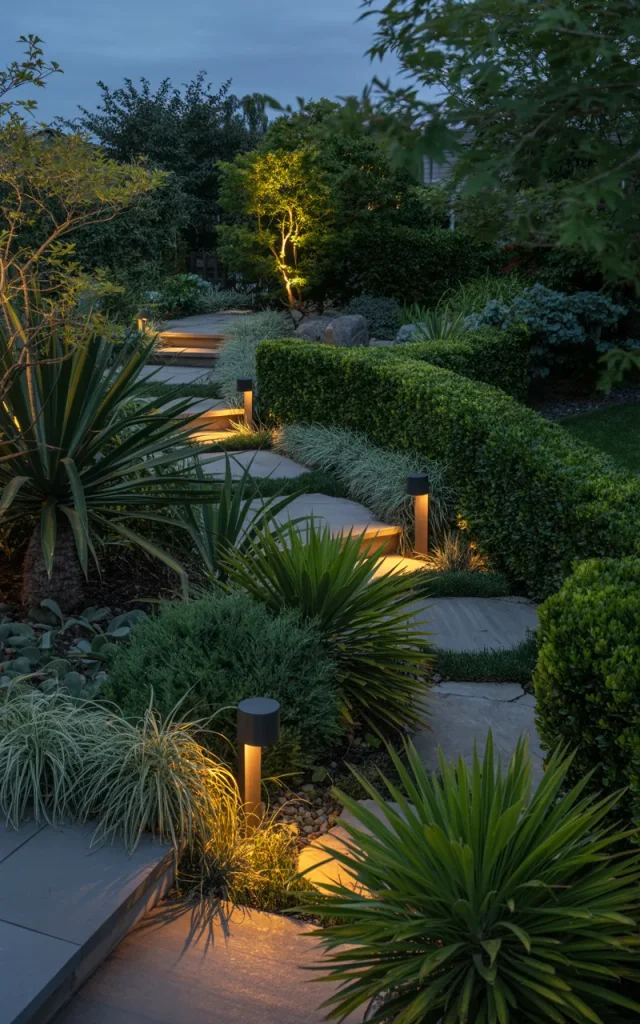
Extend the usefulness of your backyard garden into the evening with subtle pathway lighting. Place low lights along walking routes, around planting beds, or near steps where visibility matters.
I prefer lighting that gently illuminates the route rather than fixtures that dominate the garden. Warm, soft illumination usually feels more inviting than a brightly lit yard.
Do this 👉
- Light steps and changes in level.
- Highlight key pathways.
- Illuminate garden focal points gently.
- Keep fixtures visually simple.
Not this ❌
- Don’t flood the entire garden with intense light.
- Don’t place lights randomly.
- Don’t hide important trip hazards in darkness.
Good garden lighting should feel almost effortless. You notice the atmosphere first and the fixtures second.
Design a Wildlife-Friendly Garden
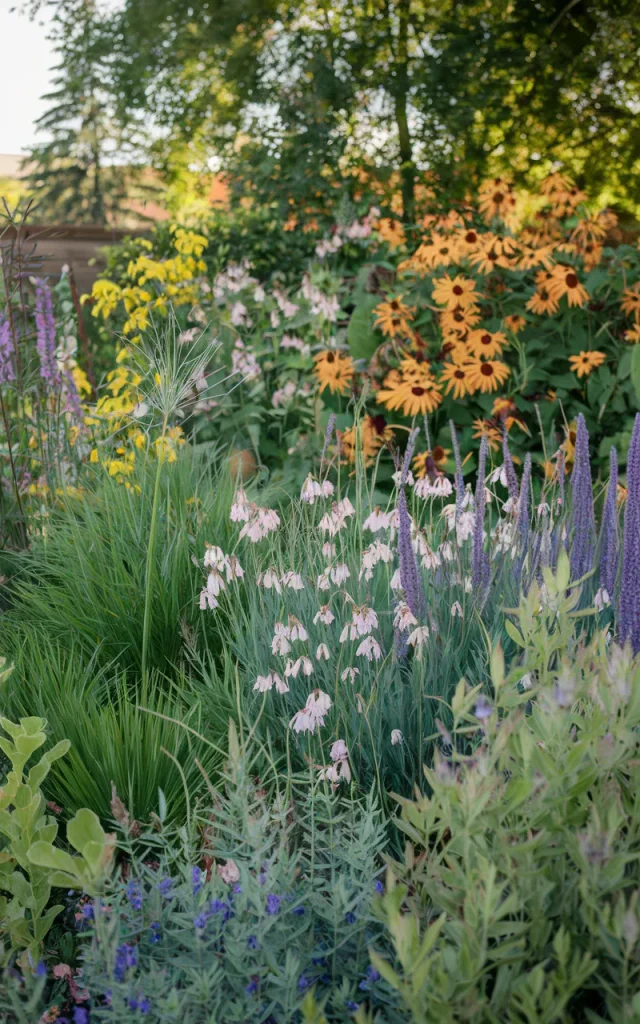
Make your backyard garden feel more connected to nature by creating spaces that support local wildlife. You can combine native or regionally appropriate plants with dense foliage, flowering plants, and safe resting areas.
Rather than trying to make every corner perfectly tidy, leave a few areas slightly more natural. Fallen leaves, seed heads, and dense planting can have a place in a wildlife-friendly garden.
Why it works?
A varied garden provides more types of shelter, food, and habitat than a lawn dominated by one plant type.
Think in layers. Ground-level plants, shrubs, taller plants, and small trees each create different spaces. 🌿
Create a Backyard Garden With a Focal Point
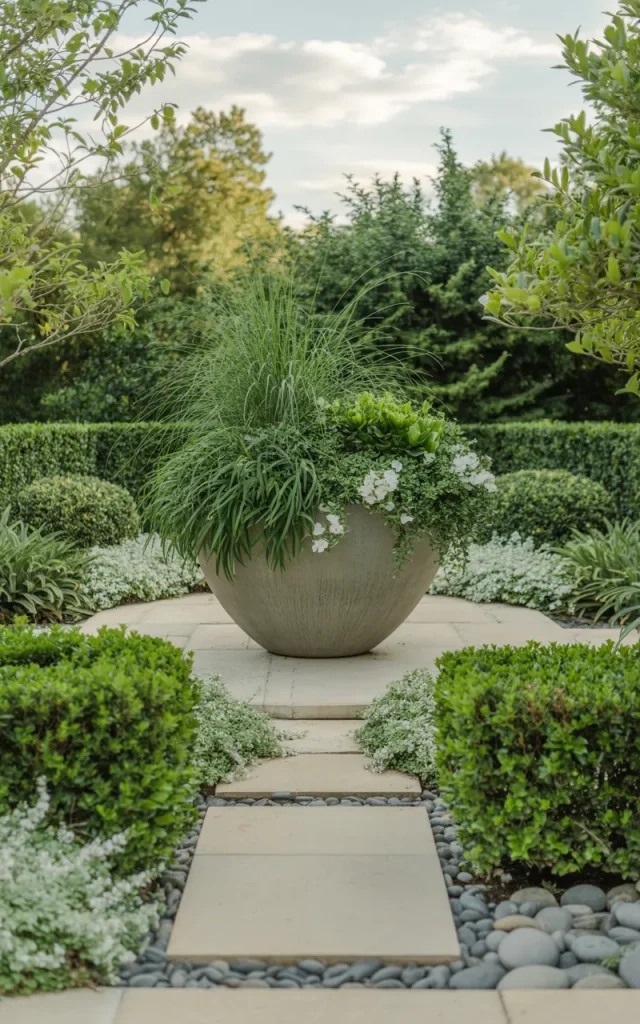
Give the entire garden something for the eye to land on. This could be a sculptural planter, ornamental tree, fountain, bench, large container, garden arch, or striking flowering plant.
Position the focal point where it can be seen from the house or from a major pathway. Then keep the surrounding planting quieter so the feature has room to breathe.
Decision Fatigue?
Choose just one main focal point first. You can always add smaller accents later.
Combine Several Garden Zones Into One Backyard
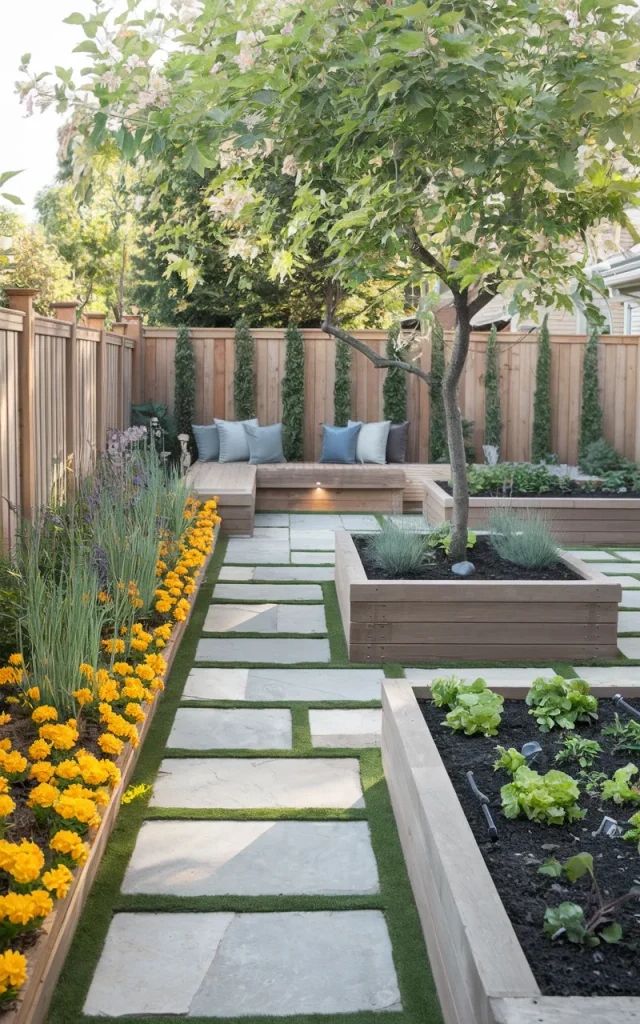
Bring everything together by dividing your backyard into several connected garden zones. You might have a flower border near the fence, an herb garden beside the patio, a small seating nook under a tree, and a winding path connecting everything.
The trick is not to make each area look completely different. Repeat materials, plant varieties, or colors throughout the yard so the zones still feel like part of one garden.
Surprise Fact:

You don't necessarily need more plants to make a backyard feel lush. Better placement and layering can make the existing space appear considerably fuller.
Final Thoughts
The best backyard garden ideas aren’t always the most complicated ones. Sometimes a simple garden border, a few raised beds, or a comfortable chair surrounded by greenery can completely change how your outdoor space feels.
Pick one idea that fits your backyard, budget, and lifestyle, then build from there. You don’t have to transform everything in a weekend. A garden is allowed to evolve—and honestly, that’s part of the fun. 🌿✨
If you’re turning these ideas into a larger backyard makeover, you can also start by choosing one seating zone, planting zone, and pathway to create a simple foundation before adding decorative details.
