You know the speech. Friends step out the back door and you start talking before they can look around. “Ignore the patio, it’s cracked. The fence is coming down someday. Watch that soggy spot.” I’ve given that speech. Many times.
Here’s what finally changed things for me: a backyard doesn’t need a bulldozer and a fortune. It needs a plan. Pick the one thing that bugs you most, fix it properly, and the rest of the yard suddenly looks like it belongs to someone who cares.
Below are 21 backyard remodel ideas, from weekend DIY jobs to the big-ticket projects worth saving for. Each one is a real upgrade: something you tear out, rebuild, regrade or add. Think of it as a before-and-after list, minus the embarrassing before photos. 🌿
Swap a Cracked Concrete Slab for a Flagstone Patio
That gray slab out back with the hairline cracks and the oil stain from the old grill? It’s usually the first thing people want gone, and for good reason. It sets the tone for the whole yard.
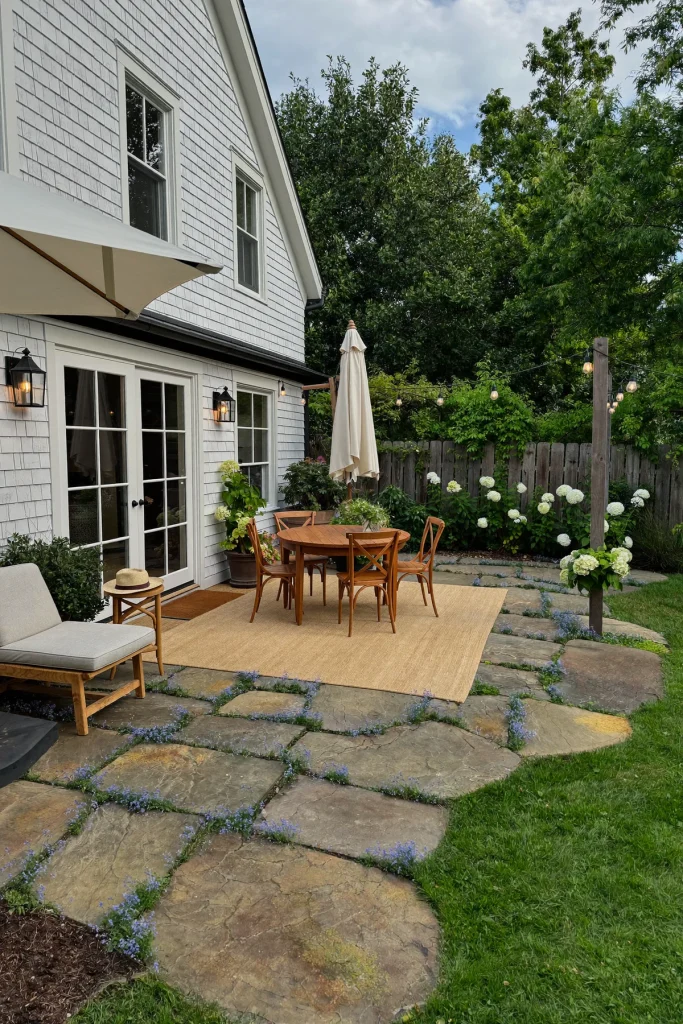
Flagstone laid on a compacted gravel and sand base gives you warmth, texture and a patio that looks like it grew there. Leave wider joints and plant creeping thyme between the stones so it softens over time.
Add a big outdoor rug, a round table and a pair of wall lanterns by the door, and the “before” is forgotten fast.
Cost Breakdown
| Option | Rough budget |
|---|---|
| Dry-laid flagstone, DIY | Lower end, mostly stone and gravel |
| Dry-laid flagstone, hired crew | Middle range |
| Mortared flagstone on a new slab | Higher end, but very low upkeep |
Rebuild a Tired Deck With Wide Composite Boards
Splinters, wobbly railings and boards that turn green every spring. If your deck has been patched more than twice, it’s time for a rebuild.
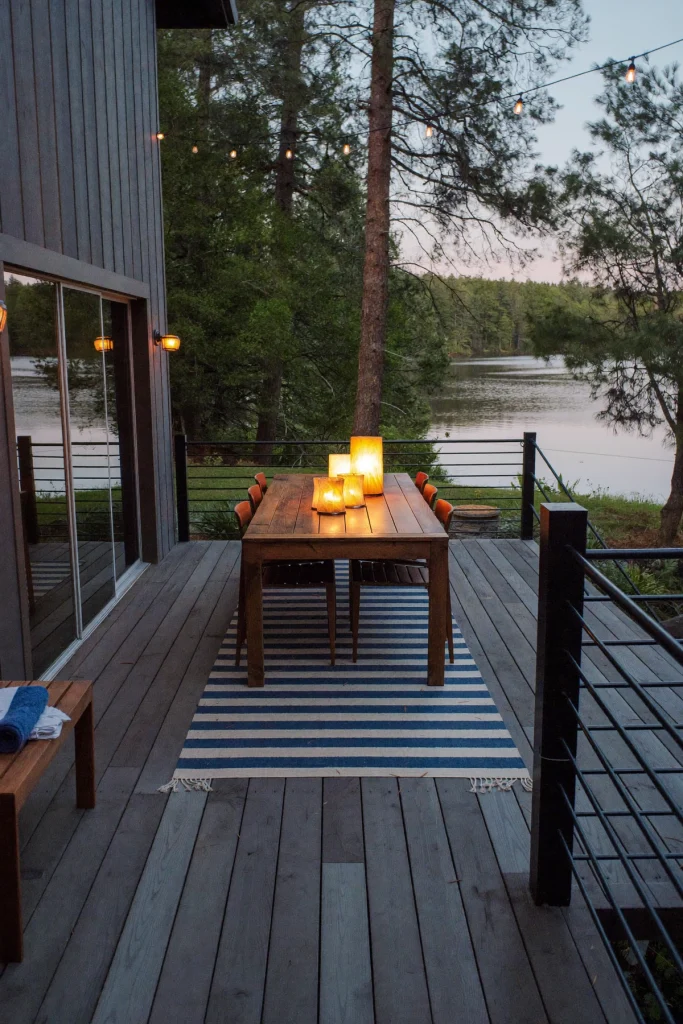
Keep the frame if an inspector says it’s sound, then reboard with wide composite planks in a warm driftwood tone. They don’t need yearly staining, and they won’t splinter little feet. Swap the old spindles for black metal balusters so the view opens up.
This is the project that makes you actually want to eat outside again. A long table, a striped runner rug and some lanterns at dusk, and you’re there every night. ✨
Terrace a Sloped Yard With Stone Retaining Walls
A sloped yard can feel like wasted space. You can’t put a chair on it, the kids can’t play on it, and mulch slides downhill every time it rains.
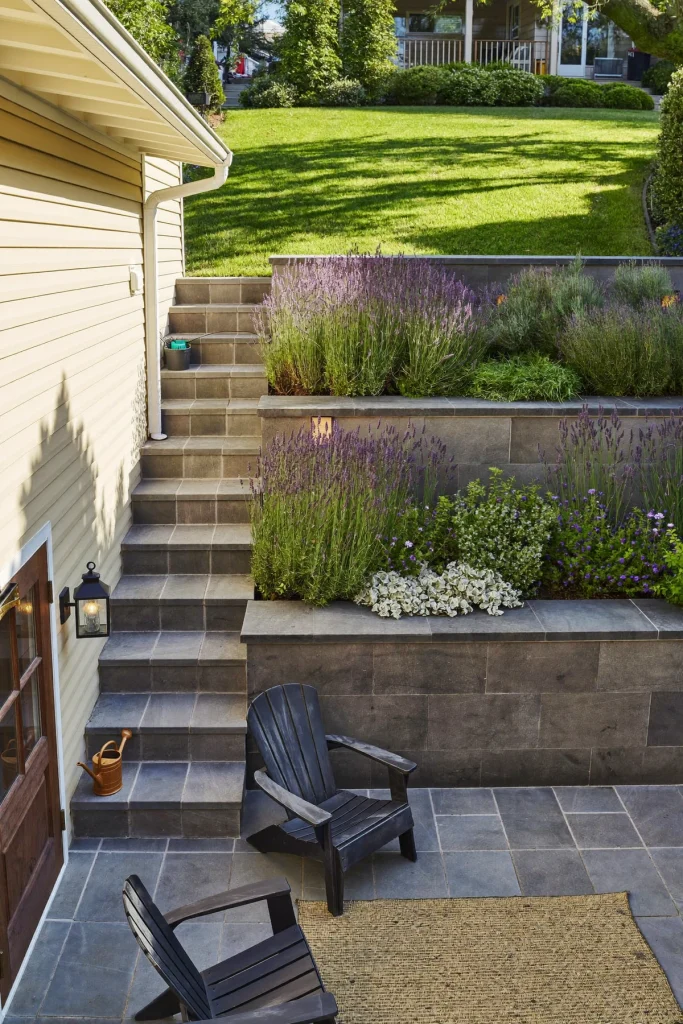
Cutting the slope into two or three level terraces with low stone retaining walls gives you usable rooms instead of a hill. The top level can hold a lawn, the middle a planting bed, the bottom a small patio.
Keep the walls under about three feet if you plan to DIY. Anything taller usually needs an engineer and a permit.
Who This Is For
Anyone with a yard that runs uphill or downhill from the house, especially families who need a flat spot for play. If your gutters dump water down a slope, pair this with the dry creek bed in idea 7.
Add a Cedar Pergola Over the Back Door Patio
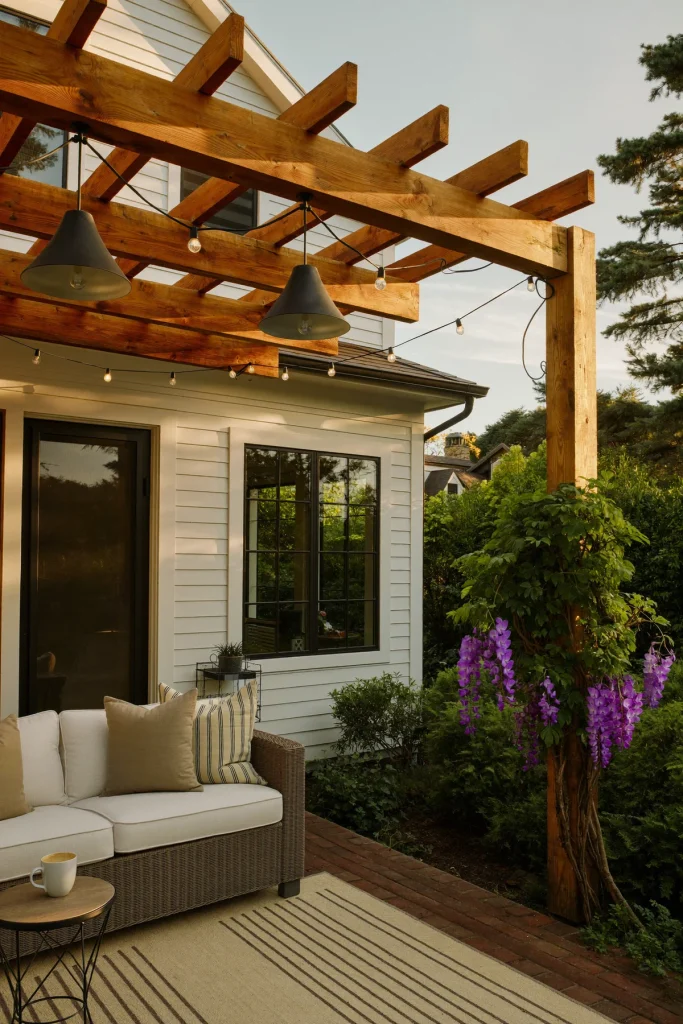
A patio with nothing overhead feels exposed, like standing in the middle of a parking lot. A pergola gives it a ceiling, and a ceiling makes it a room.
Attach a cedar pergola to the house above the back door, or build it freestanding over the patio. Let it weather to silver, or stain it a warm honey tone to match your trim.
Then hang a pendant light or two from the beams and string café lights across the top. Train a climbing vine up one post and give it a couple of summers.
Pro Tip

Run an outdoor-rated outlet to one of the posts before the pergola goes up. It's far easier now than later, and you'll want it for lights, a fan or a speaker.
Turn Half the Lawn Into Raised Vegetable Beds
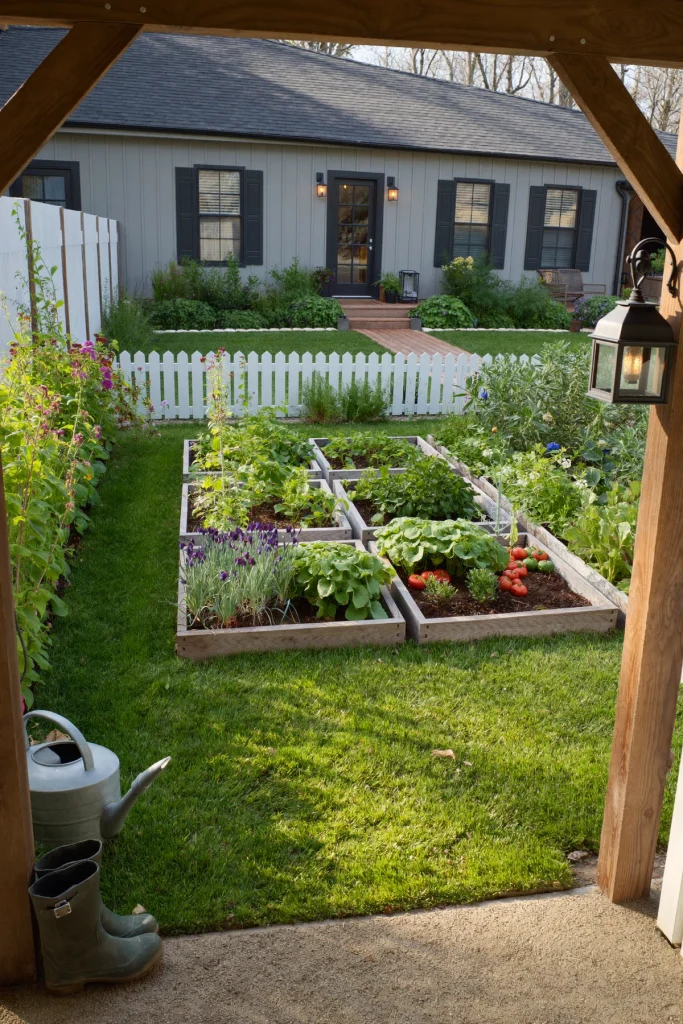
Most of us mow way more grass than we ever use. Taking half of it back for food is one of the most rewarding remodels out there.
Build four to six raised beds from cedar or galvanized steel, lay gravel or wood chips between them, and fence the area with a low picket so it reads as its own garden room. A simple arbor at the entry makes it feel intentional.
Start small:
tomatoes, herbs, lettuce, a row of zinnias for cutting. You’ll be out there every morning with your coffee. 🍅
Hide a Drainage Problem Under a Dry Creek Bed
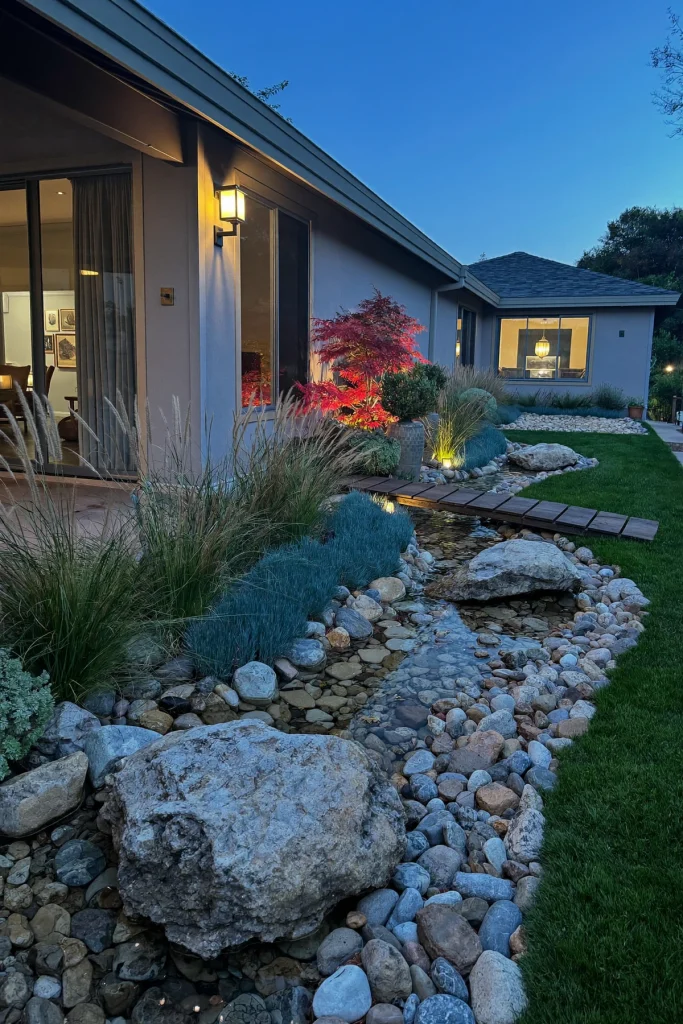
Every yard has that spot. The puddle that sits for three days after rain. The muddy track where water runs off the patio.
A dry creek bed solves it and looks lovely doing it. Dig a shallow, winding channel along the path water already takes, line it with landscape fabric, and fill it with river rock in mixed sizes. Tuck ornamental grasses and a few boulders along the edges.
When it rains, it carries water away. When it’s dry, it looks like a deliberate garden feature.
Why It Works
You’re not fighting the water, you’re giving it a route. Rock channels slow runoff and let it soak in gradually, so the soggy spot dries out and the lawn stops dying in patches.
Rewire the Yard With Layered Low-Voltage Lighting
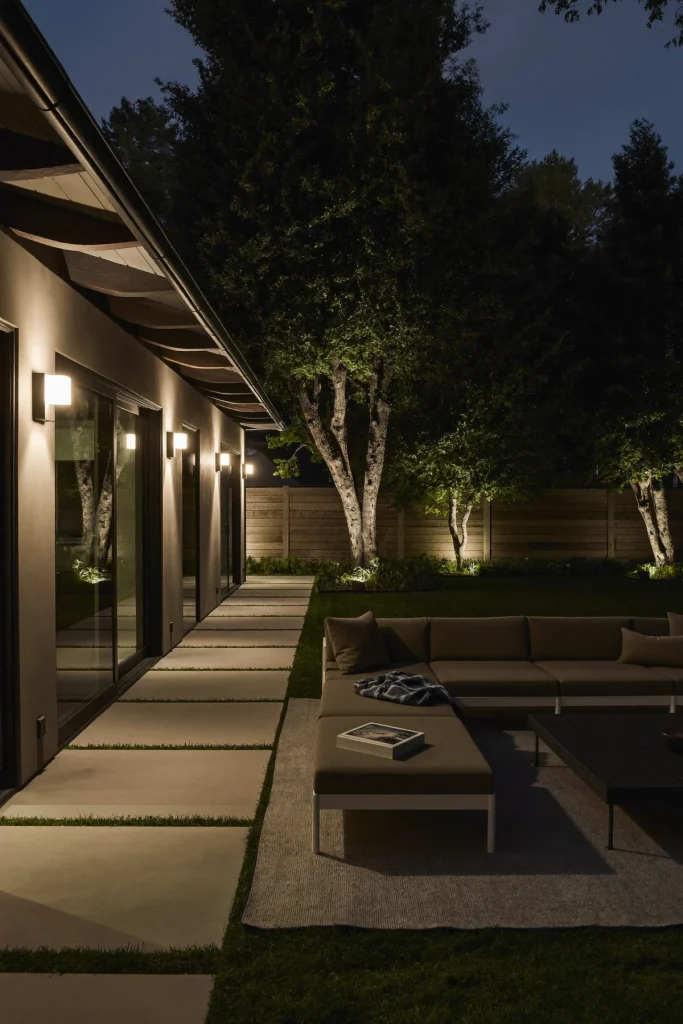
Most backyards have one light: a harsh floodlight by the back door that makes everything look like a crime scene. Replacing it with layered low-voltage lighting changes the yard more than almost any other upgrade.
Think in three layers. Uplights at the base of two or three trees. Path lights along walkways. Soft wall sconces on the house in place of that floodlight.
Put it all on a timer, and the yard glows every evening without anyone touching a switch. 💡
Replace a Chain-Link Fence With Horizontal Slat Cedar
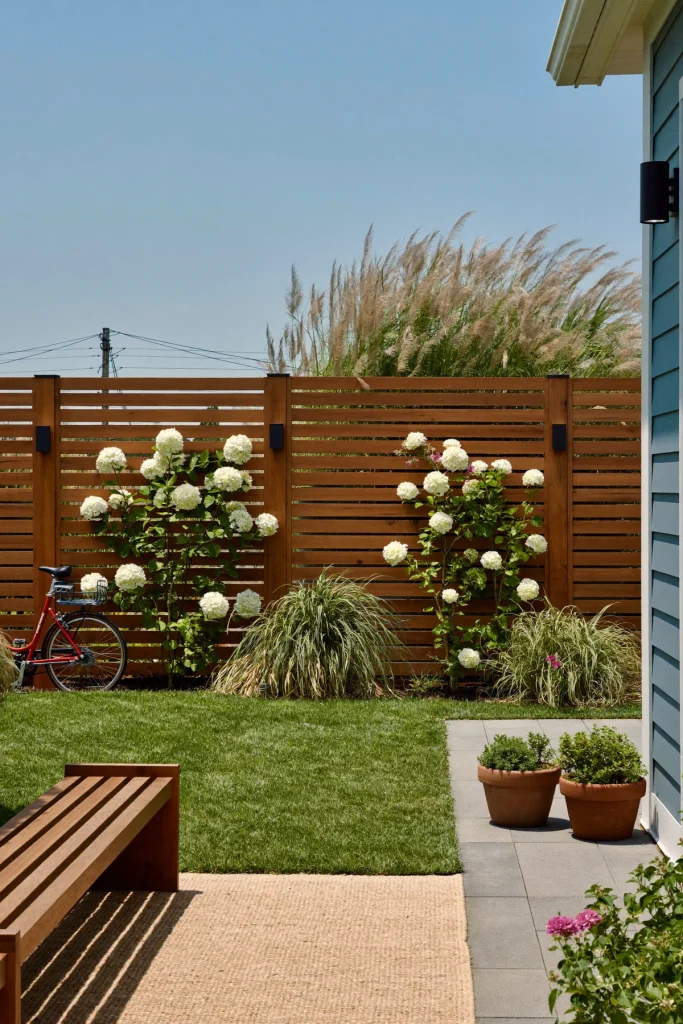
Nothing says “rental from 1987” like chain-link. Swapping it out is one of those upgrades that makes neighbors stop and ask who did your fence.
Horizontal cedar slats with narrow gaps feel modern, give privacy without feeling boxed in, and make a gorgeous backdrop for planting. Stain them a warm natural tone or go darker for contrast with green leaves.
Plant a row of grasses or hydrangeas along the base, and mount a couple of small sconces on the posts.
Common Mistakes to Avoid
- Skipping a property survey and building on the wrong side of the line
- Setting posts without gravel at the base, so they rot early
- Forgetting to check HOA height and style rules
- Using untreated screws that streak the wood with rust
Install an Outdoor Shower Against the House
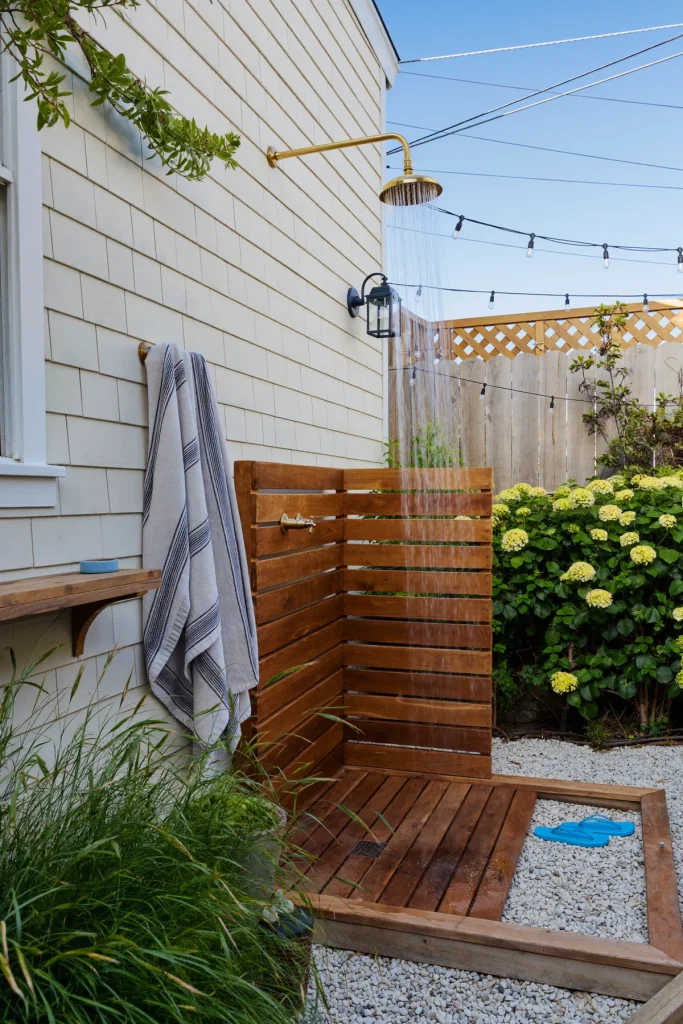
If you’ve ever hosed sandy kids off in the driveway, you already know why this one makes the list. An outdoor shower is pure summer joy.
Tap into an existing hose bib or the plumbing behind the laundry room, mount a brass rain head on the siding, and surround it with a three-sided cedar screen. A slatted teak floor over gravel drains beautifully.
Add hooks for towels, a little shelf for soap and a lantern for evening rinses. It feels like a vacation every single day. 🚿
Stain and Stencil an Old Concrete Slab

Maybe you love the idea of idea 1 but the budget says “not this year.” I get it. You can still give that old slab a real makeover with concrete stain and a stencil.
Clean and etch the concrete first, then roll on a solid stain in a warm base color. Once it’s dry, use a large tile-pattern stencil and a second color to create a patterned “rug” right on the patio. Seal it with an exterior concrete sealer. Terracotta, sage and soft charcoal all look lovely against plain gray.
Finish with potted citrus trees, a bistro set and a string of café lights. It looks like you poured a whole new patio.
Weekend Project
Day one: pressure wash, etch and let it dry. Day two: base stain, stencil and seal. Rent a pressure washer if you don’t own one, and pick a cool, cloudy weekend so the stain doesn’t flash dry.
Build a Sunken Fire Pit Lounge
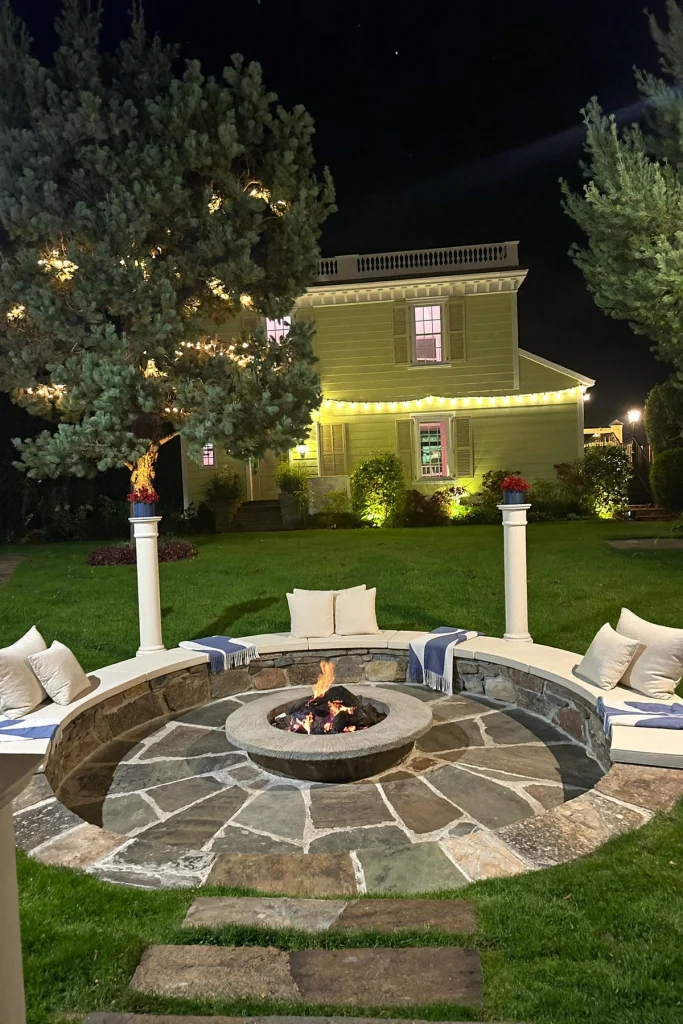
A fire pit plopped in the middle of the lawn is nice. A sunken fire pit lounge is something else entirely. It’s the spot everyone ends up after dinner.
Excavate a circle about eighteen inches deep, build a low stone or block wall around it that doubles as seating, and set a gas or wood fire pit in the center. Pad the built-in bench with outdoor cushions and pile on a few throws.
Because you’re sitting below grade, the wind drops away and the whole space feels tucked in and private. On a cold evening, it’s hard to leave. 🔥
Check local codes for distance from the house, fences and trees before you dig.
Screen In a Porch Off the Kitchen
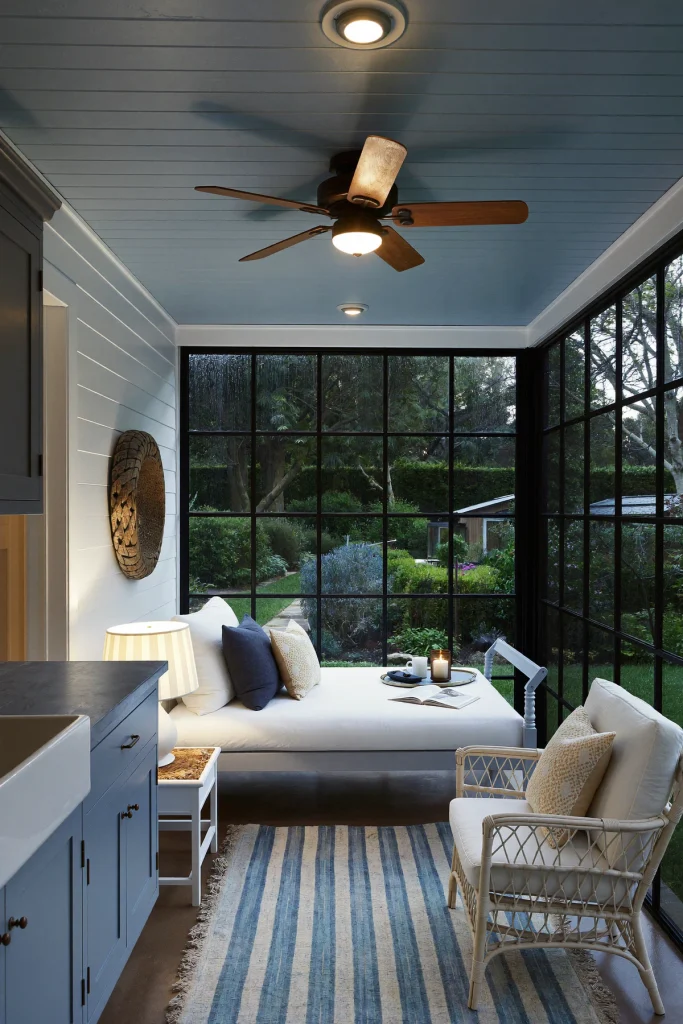
If mosquitoes or summer storms chase you indoors every evening, a screened porch might be the single best remodel you can do. It stretches outdoor season by months.
Many homes already have a covered patio or small deck off the kitchen that’s ready for screens. Frame in the openings, add a screen door, put a ceiling fan overhead and lay an outdoor rug on the floor.
Fill it with a daybed, a wicker chair or two and a lamp plugged into an outdoor outlet. It becomes the room where you read on rainy afternoons and eat dinner on hot nights. ☔
Paint the porch ceiling a soft sky blue for an old-fashioned touch, and choose a floor that can handle wet paws.
Rip Out Thirsty Lawn for a Native Meadow Garden
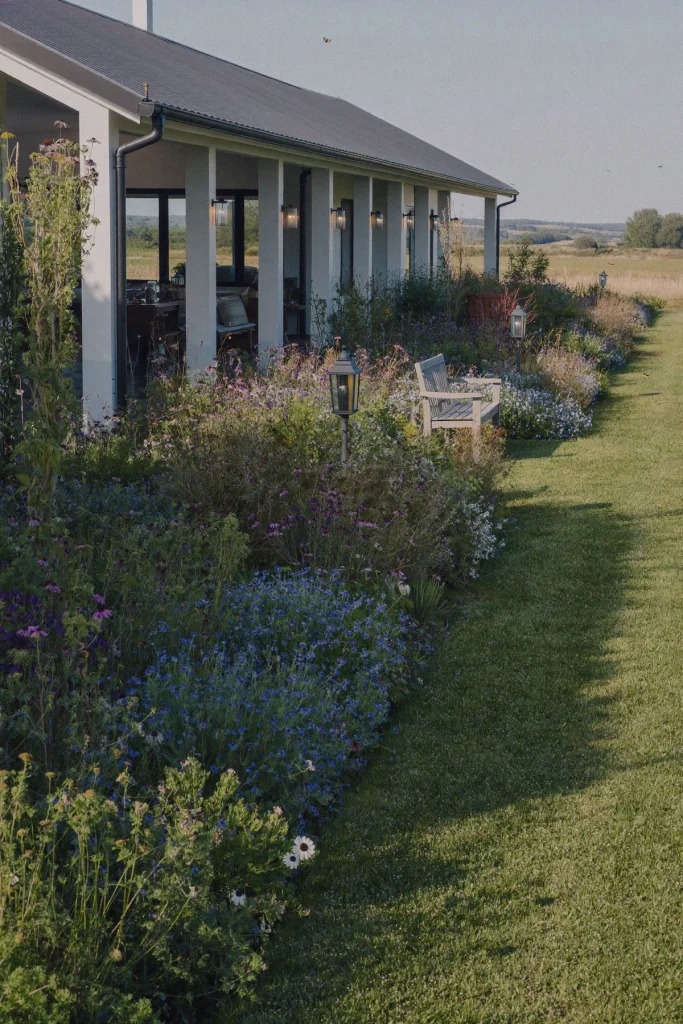
A perfect green lawn takes a lot of water, mowing and weekend hours. Replacing a big chunk of it with native meadow plants is a remodel that gives back.
Smother or strip the existing grass, then plant drifts of native grasses and perennials like coneflower, black-eyed Susan, little bluestem and bee balm. Mow a wide path through the middle so it still feels cared for, and put a bench at the end.
Within a couple of seasons, you’ll have butterflies, birds and a yard that looks wonderful with almost no watering. 🦋
Check with your local extension office for plants native to your region. They’ll know exactly what thrives in your soil and climate.
Myth-Buster

"Meadows look messy." Not when they have edges. A crisp mown border, a path and a clear seating spot tell everyone this is a garden on purpose, not an overgrown lawn.
Frame a Built-In Bench Along the Fence Line
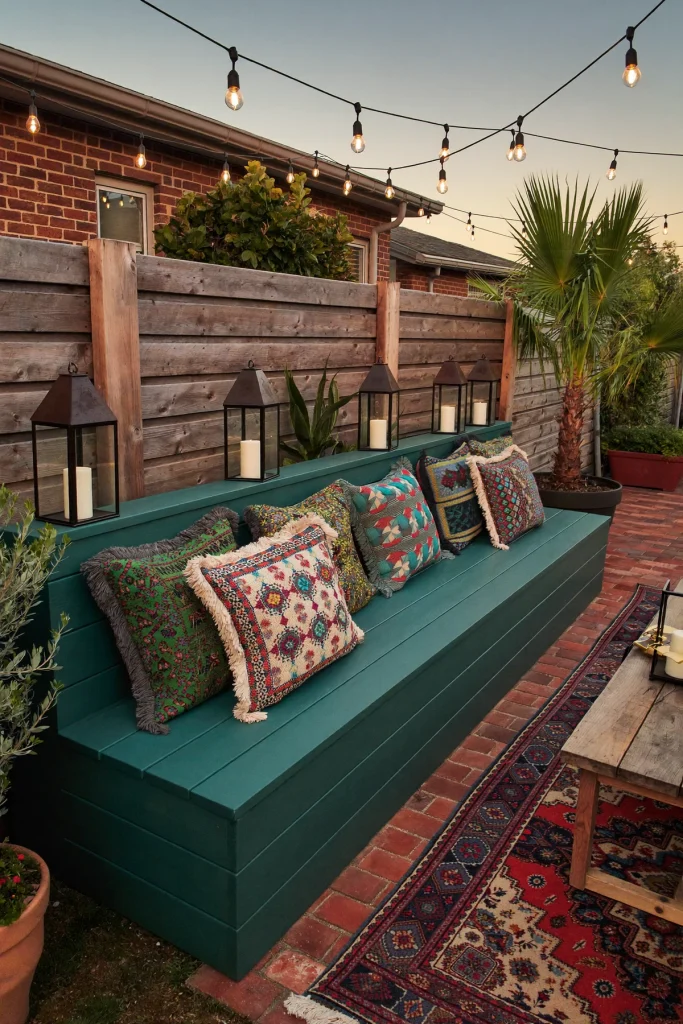
Patio furniture takes up a ton of floor space and needs a place to go in winter. A built-in bench along the fence gives you seating for a crowd without the clutter.
Build a sturdy wood bench along one or two fence runs, with hinged lids so the inside becomes storage for cushions and toys. Paint it to match the trim or the fence, then pile on cushions and pillows in a mix of patterns.
This is a great place to go bold: jewel tones, fringe, a few lanterns lined up along the top. Go as colorful as you dare. Add a long coffee table in front and you’ve got a lounge.
Extend the Kitchen Outside With a Covered Grill Counter
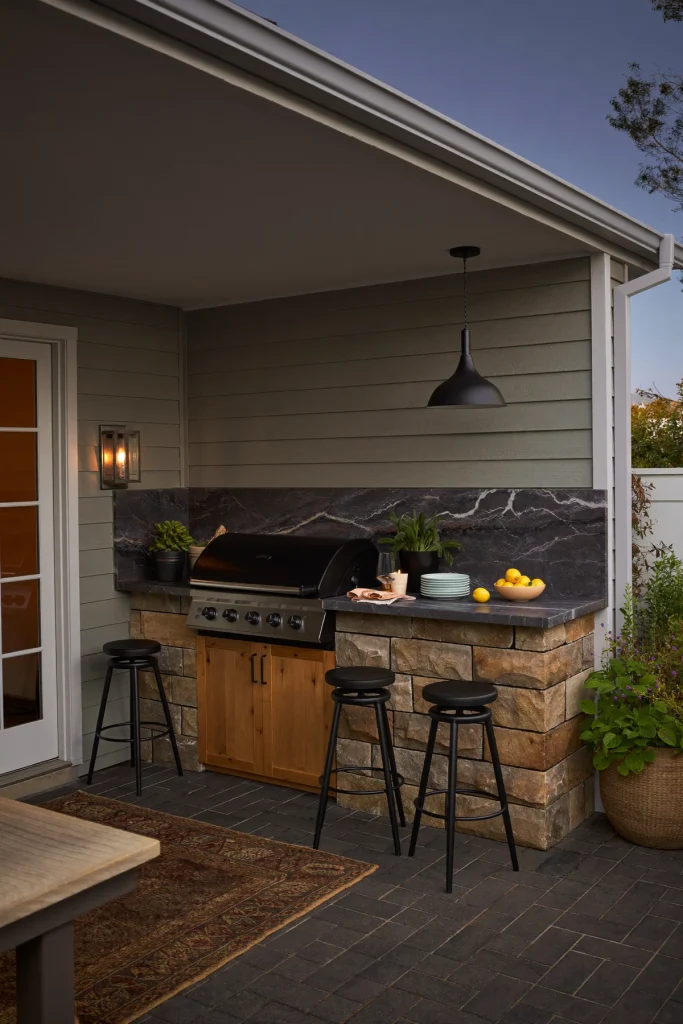
You don’t need a full outdoor kitchen to make cooking outside easier. A covered grill counter right off the back door does most of the work.
Build a counter of stone veneer or stucco block with a built-in grill, a little prep space on each side and cabinets below. Cover it with a simple roof extension or the pergola from idea 5 so you can grill in the rain.
Add a pendant light above the prep area and a couple of bar stools on the other side. Now whoever is cooking can chat with everyone instead of standing alone at the grill. 🍔 Keep it close to the kitchen door, so trips for plates and sauces stay short.
Budget Alternatives
- Use a freestanding grill and build only the counters around it
- Choose concrete block with a stucco finish instead of stone veneer
- Buy secondhand outdoor cabinets from salvage yards or marketplace listings
Lay Brick Herringbone Over a Worn Walkway
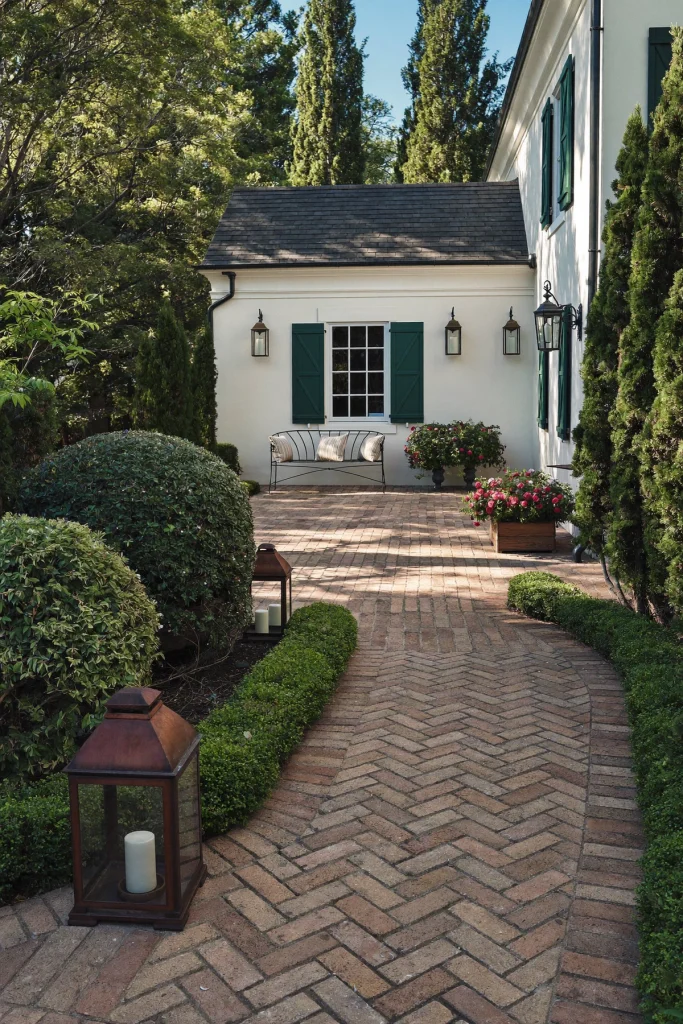
A crumbling concrete walkway drags down even the prettiest garden. Brick laid in a herringbone pattern is timeless and works with almost any house style.
Remove the old walk, compact a gravel base, set the brick in sand, and sweep polymeric sand into the joints. Reclaimed brick gives instant age and charm, especially next to a Colonial or Craftsman home.
Edge the walk with boxwood or catmint, and add a pair of low lanterns where it meets the patio. It’s the kind of upgrade that makes the whole yard feel older and more settled, in the best way. 🧱 Herringbone also hides small settling better than a straight running pattern.
Time Needed
A twenty-foot walkway is usually two full weekends for two people: one to dig and prep the base, one to lay brick and finish the joints.
Add a Roofed Pavilion for Rainy-Day Dinners
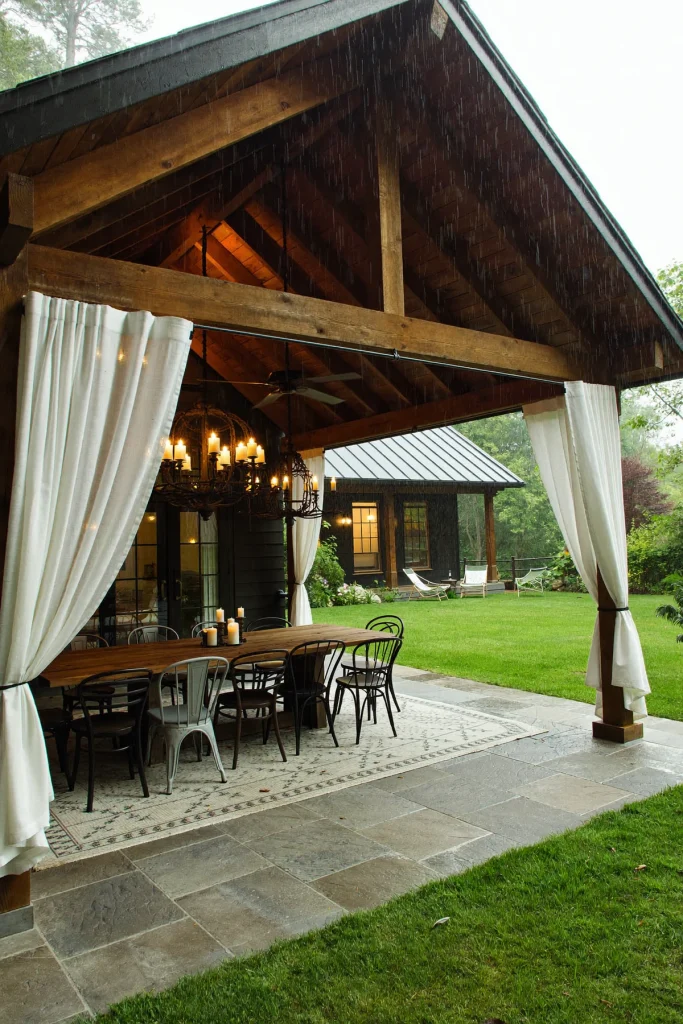
Pergolas are lovely, but they don’t keep you dry. If you live somewhere with summer storms or strong sun, a pavilion with a solid roof makes the yard usable all year.
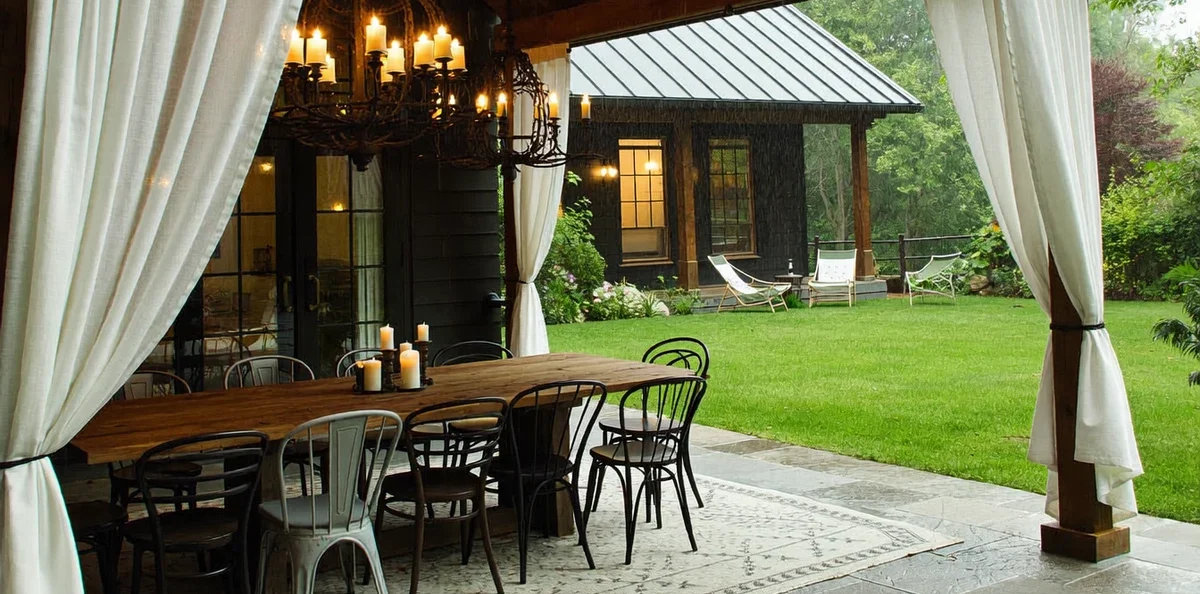
Build a timber-frame pavilion with a shingled or standing-seam metal roof to match your house, set over a stone or paver floor. Wire it for a ceiling fan, a chandelier or two and a couple of outlets.
Put a long farmhouse table underneath with mismatched chairs, and hang outdoor curtains on one or two sides to soften the posts and block wind. On rainy evenings, the sound on the roof is half the fun. Remember the screened porch from idea 14? This is its open-air cousin, best for yards with room to spare.
It’s a bigger project, often needing a permit and footings, so plan it for the off-season when contractors have more availability.
Pour a Board-Formed Concrete Fire Bench
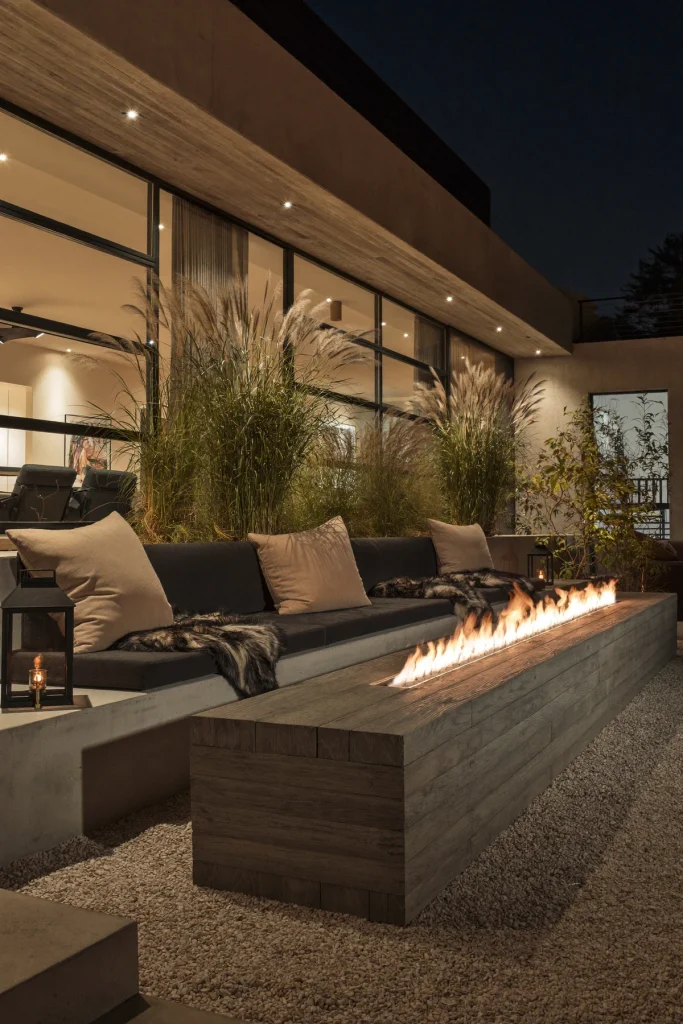
This one is for the bold. If you love modern architecture, a board-formed concrete fire bench is a statement that will outlast everything else in the yard.
Concrete is poured into rough wood forms so the grain prints onto the surface. The result is a long, low bench with a linear gas fire channel set into one end. It’s raw, sculptural and surprisingly warm when the flames are going.
Soften it with sheepskin throws, a few chunky cushions and a gravel floor that crunches underfoot. Plant tall ornamental grasses behind it, and it looks like it belongs in a design magazine, but it’s your Tuesday night hangout.
Since this is your second fire feature on the list, after the sunken lounge in idea 12, choose whichever suits your style. Cozy and classic, or sleek and architectural. You only need one.
Permit Check
Gas fire features usually need a licensed plumber, a gas permit and minimum clearances from the house and fences. Call your city’s building department before you design, not after the forms are built.
Build a Pizza Oven Corner by the Back Fence
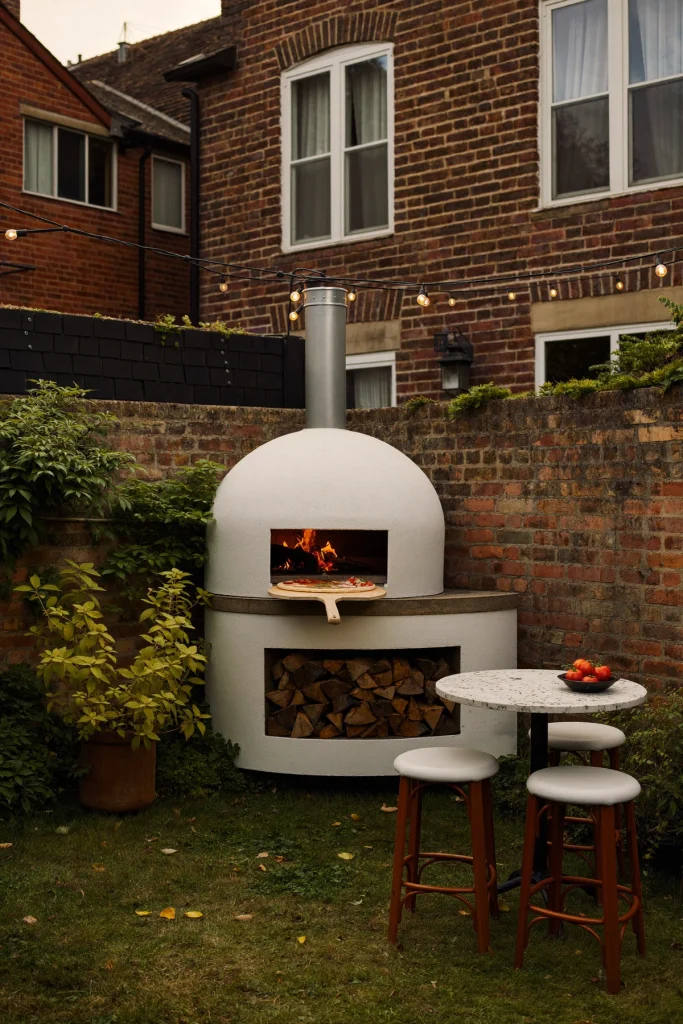
A wood-fired pizza oven turns an ordinary Friday into an event. Everyone wants to make their own pizza, and everyone gathers around the fire while it cooks.
Build the oven on a sturdy block base in a corner of the yard, with a small stone counter on one side for toppings and a wood storage nook underneath. A dome finished in stucco or tile looks charming against a fence or garden wall.
Add a bistro table, a few stools and a string of lights overhead. Pot up herbs like basil and oregano nearby so you can snip toppings right there. 🍕
Kits make this a doable DIY for a handy homeowner.
Rebuild Garden Beds With Corten Steel Edging
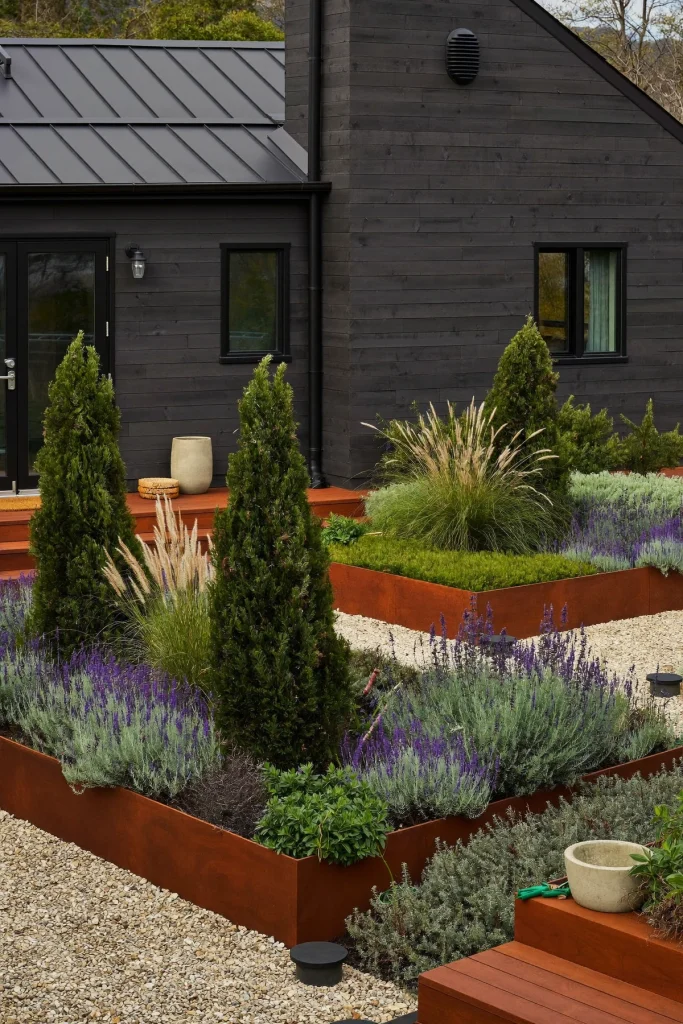
Garden beds with soggy timber borders or plastic edging that heaves every winter look tired fast. Rebuilding them with Corten steel gives the whole yard crisp, modern lines.
Corten forms a stable rust-colored finish that looks wonderful with green foliage and gravel. Use it to edge long, raised beds, or to create tidy geometric beds in a lawn. Fill them with a mix of evergreen shrubs, grasses and a few flowering perennials so they look good in every season.
Set a few low path lights along the bed edges and you’ve got structure that reads even in winter. Corten is pricier than plastic edging, but it lasts for decades and never needs paint.
Remodel Order of Operations
- Fix drainage and grading first
- Run any wiring or irrigation lines
- Build hardscape: patios, walls, paths, beds
- Plant last, once the heavy work is done
Raise the Deck to Meet the Back Door
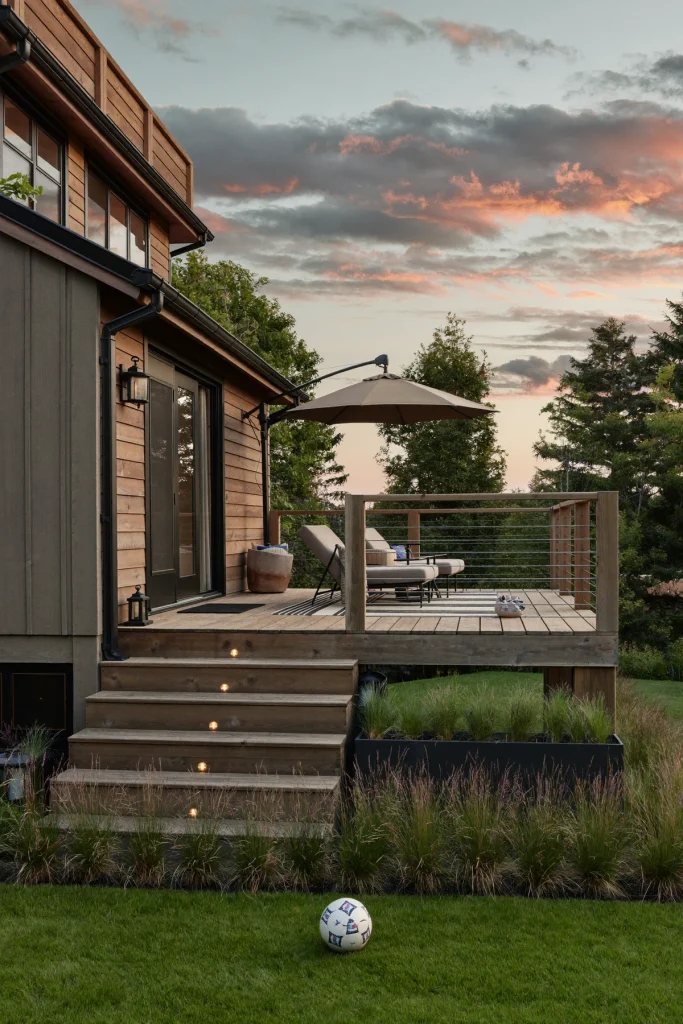
Lots of older homes have a back door that opens onto a steep drop or a few awkward steps down to a small landing. Raising the deck so it sits level with the door makes indoor and outdoor living feel like one space.
Extend the deck at door height, with wide stairs down to the yard at one end. Add a built-in planter along the edge and a cable railing to keep the view open.
Inside, it means you can carry a tray of drinks straight out without thinking. Outside, it gives you a raised spot to watch the kids play below while you sit in the shade of a cantilevered umbrella. 🌇
Tuck step lights into the stairs and hang a few lanterns along the railing so the deck feels inviting after dark.
Start With the Thing That Bugs You Most
You don’t need to do all 21 of these. Honestly, please don’t try. Pick the one project that would make you stop giving the apology speech, and start there. For a lot of people, it’s the patio, the fence or that one soggy corner.
Fix the bones first (drainage, grading, paths), then add the fun stuff like lighting, seating and fire. Layer a little more each season, and the yard you were embarrassed about becomes the place everyone wants to be.
Which remodel is first on your list? I’d love to hear what you’re planning. 🏡
