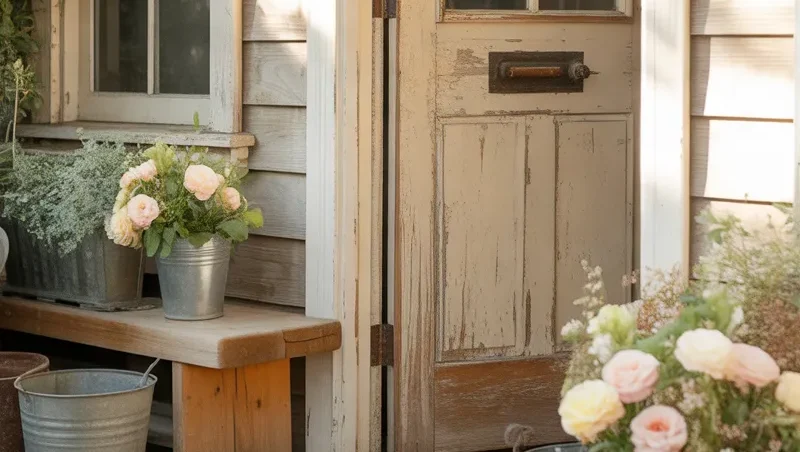
Your front entryway is the first thing people notice when they visit your home. And honestly, I think it deserves just as much attention as your living room or kitchen.
Whether you have a spacious entrance, a tiny front porch, or a simple doorway that needs a little personality, the right décor can make a remarkable difference. You don’t need expensive furniture or a complete renovation, either. Sometimes, a beautiful mirror, a welcoming doormat, or a pair of leafy plants is all it takes.
In this guide, I’m sharing 19 front entryway ideas that combine beauty with everyday practicality. From modern statement doors to cozy seating and clever storage, there’s something here for every home and budget. Let’s find a look you’ll love coming home to! ✨
Paint Your Front Door a Beautiful Accent Color
Why it works?
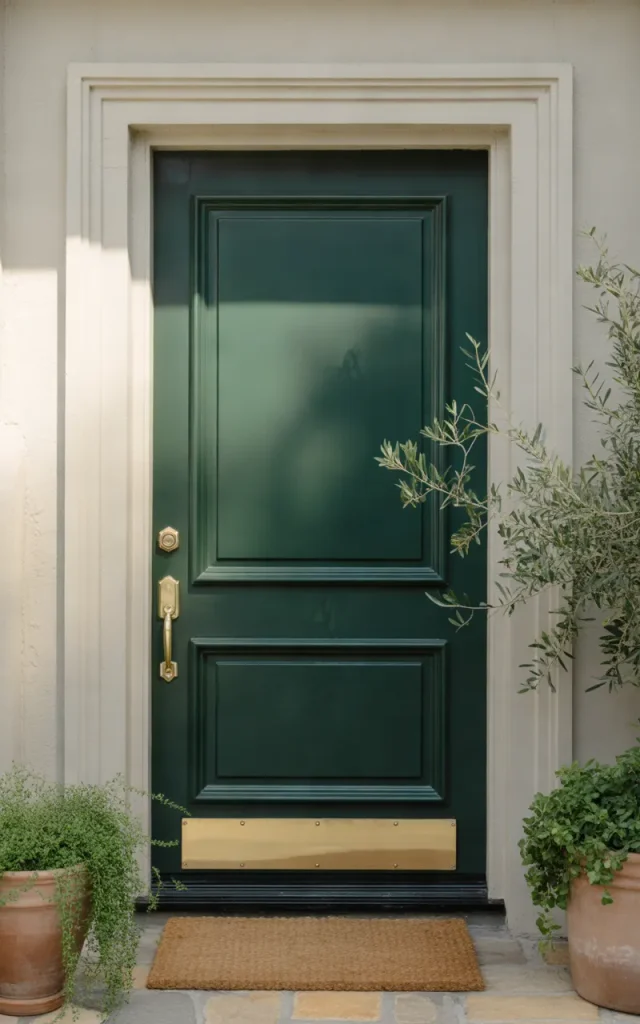
If you want your front entryway to stand out without changing everything around it, start with the front door. I love how a fresh coat of paint can transform an ordinary entrance into something memorable.
Consider deep forest green for a nature-inspired look, navy blue for timeless sophistication, or warm terracotta for a welcoming Mediterranean feel. If your home has a neutral exterior, a bold door color can become the perfect focal point.
Keep the surrounding trim simple so the door gets the attention it deserves. A coordinated door handle and a clean entry mat will complete the look beautifully.
Install Stylish Wall Sconces Beside the Door
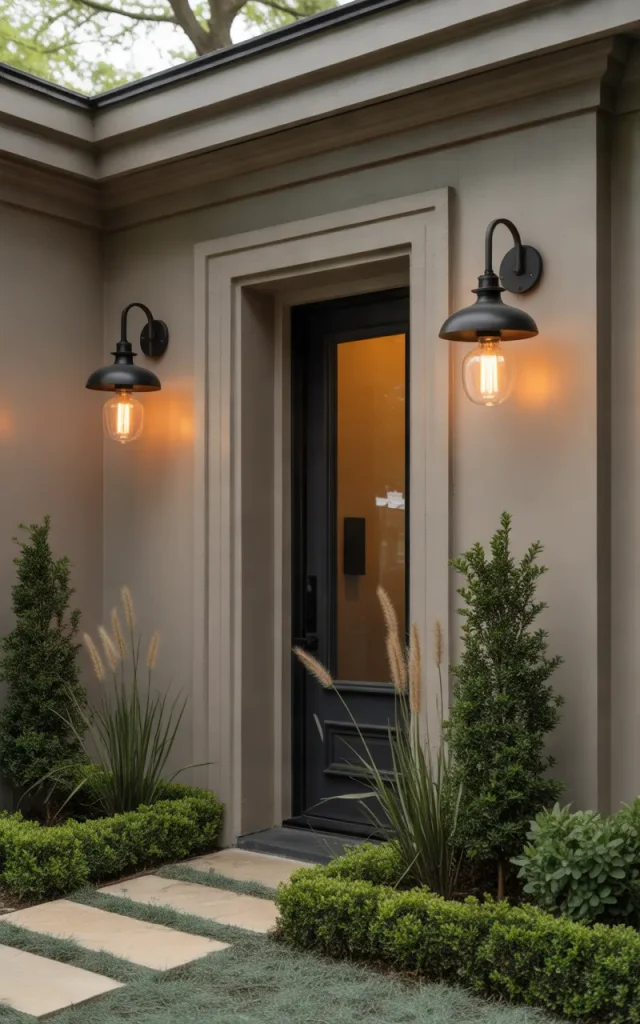
Good lighting makes a front entryway feel safer, warmer, and more inviting after sunset. Instead of relying on one harsh overhead light, consider installing a pair of wall sconces on either side of your front door.
For a modern home, I would choose streamlined black fixtures with frosted glass. Traditional homes look lovely with lantern-style sconces, while brass finishes bring a touch of elegance to a more classic entrance.
Choose warm-white bulbs for a welcoming glow, and make sure the fixtures are rated for outdoor use if they’re exposed to the weather.
The result?
An entrance that looks just as beautiful in the evening as it does during the day. 💡
Hang a Statement Wreath on Your Front Door
Instant Gratification Tip
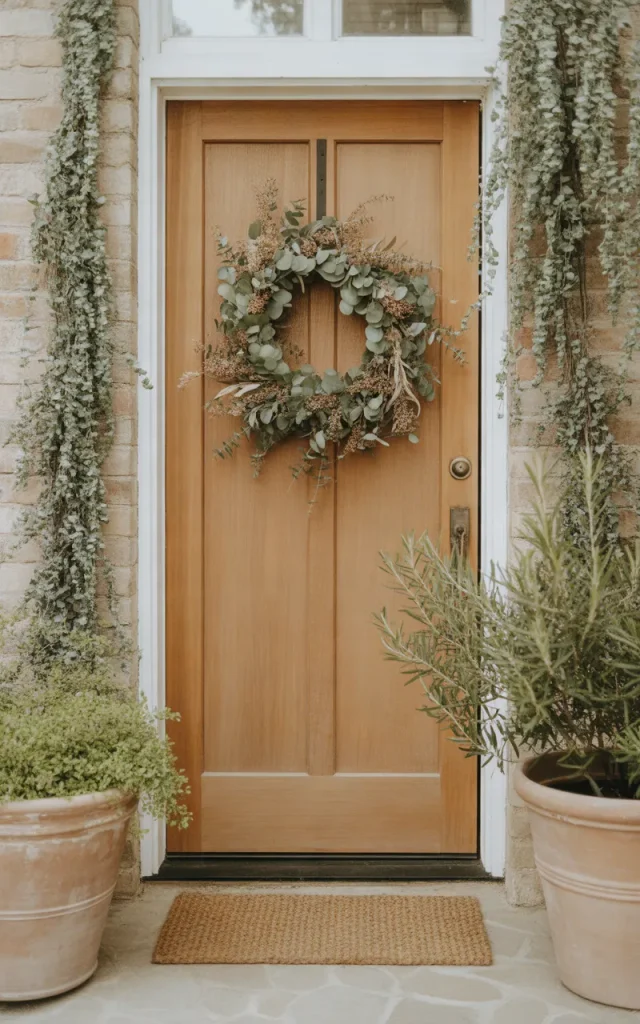
A wreath is one of the easiest ways to make your front entryway feel decorated and intentional. You don’t have to wait for a holiday to use one, either.
I particularly love eucalyptus wreaths, olive branches, dried grasses, and simple arrangements of preserved foliage. They add texture without making the doorway feel overly busy. If your home has a colorful door, choose a wreath that complements the shade rather than competing with it.
Instant gratification tip:

Hang a simple greenery wreath today and pair it with a matching doormat. It's an affordable weekend update that takes very little effort but makes the entrance feel much more finished.
Lay Down a Layered Doormat for Extra Charm
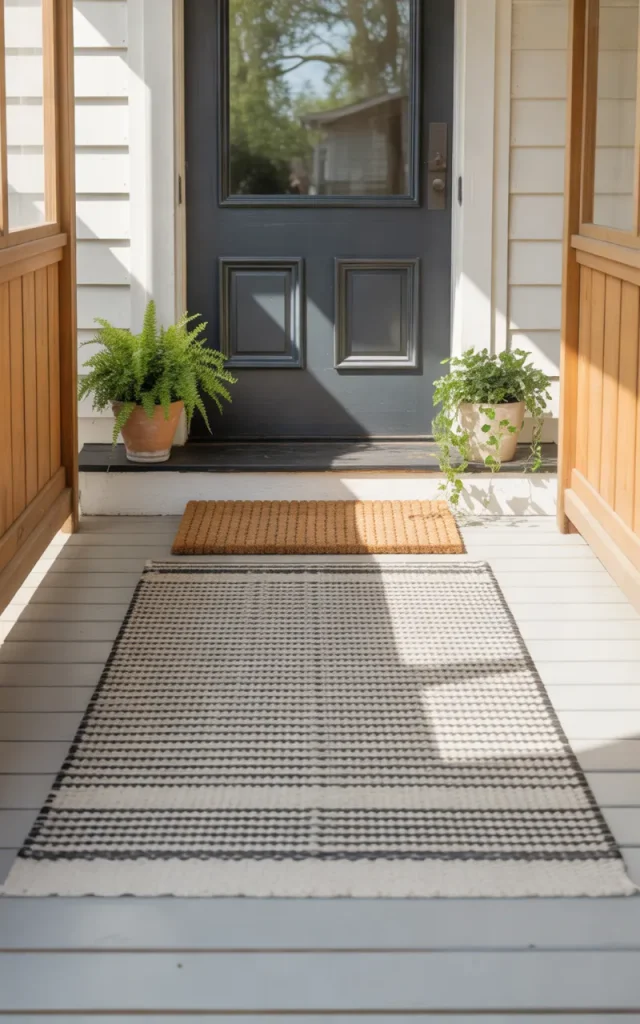
Small space hack
Never underestimate the power of a good doormat. It’s a small detail, but it helps define the entrance and makes the entire doorway look more thoughtfully styled.
For a layered look, place a larger outdoor rug underneath a smaller coir doormat. Stripes, subtle checks, and natural woven patterns are all excellent choices. Keep the colors connected to your door, planters, or exterior trim for a cohesive appearance.
This trick is especially useful when you don’t have much room for furniture or decorative accessories.
Just make sure both layers lie flat and don’t interfere with the door swinging open. Practicality matters as much as appearance!
Create a Cozy Seating Corner Near the Entrance
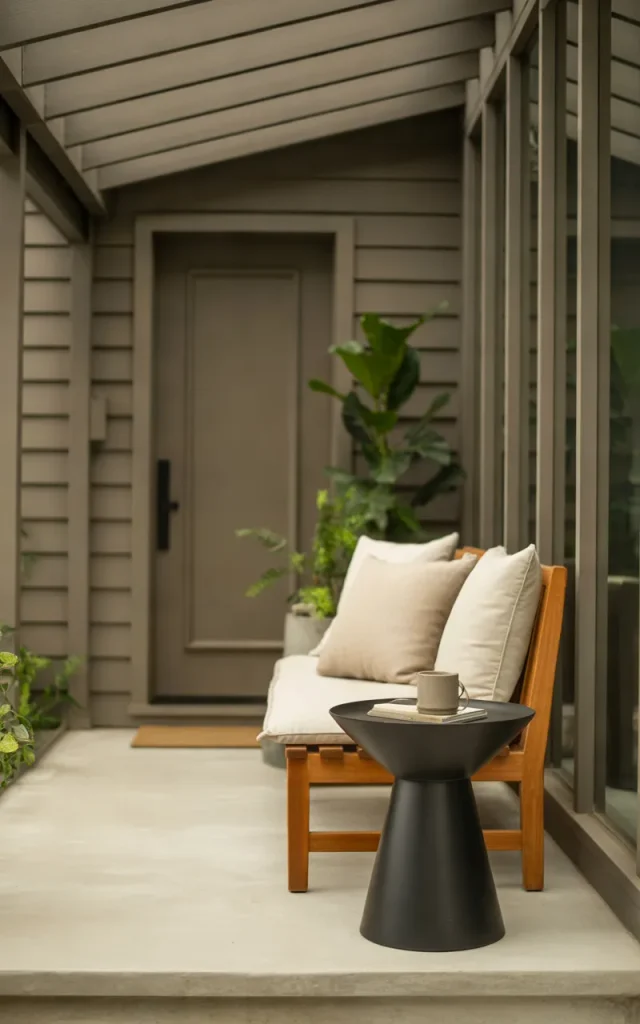
If your front entryway has enough space, adding a small bench can make it feel more like an extension of your home. I love this idea because it gives you somewhere to sit while putting on shoes, waiting for someone, or enjoying a quiet moment outdoors.
Choose a teak bench for a natural look, a black metal design for a contemporary home, or a painted wooden bench for cottage-inspired charm. Add one or two weather-resistant cushions to soften the arrangement.
A small side table can hold a potted plant or lantern. Keep the walkway clear, though. The goal is to create a welcoming corner, not an obstacle course.
Frame the Door With Climbing Greenery
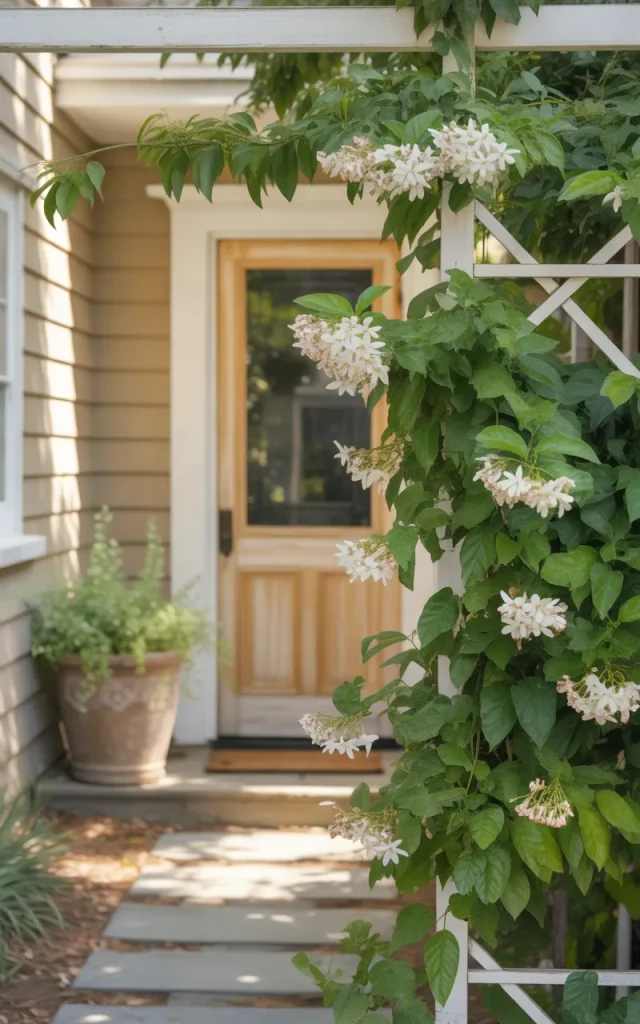
Why designers do this
Climbing greenery can soften a rigid doorway and make the front of your home feel connected to the garden. It’s a lovely option if you prefer natural textures over decorative accessories.
Install a suitable trellis or support around the entrance, then select a climbing plant that thrives in your local conditions. Star jasmine, for example, can be a beautiful fragrant option where the climate and growing conditions suit it. In hotter locations, choose varieties that tolerate the available sun and humidity.
Why designers do this:

Vertical greenery draws the eye upward, making the doorway feel taller and more dramatic.

Keep plants away from gutters, electrical fixtures, and door hardware. Regular pruning will help maintain a neat, intentional shape. 🌱
Choose a Bold, Beautiful Front Door Handle
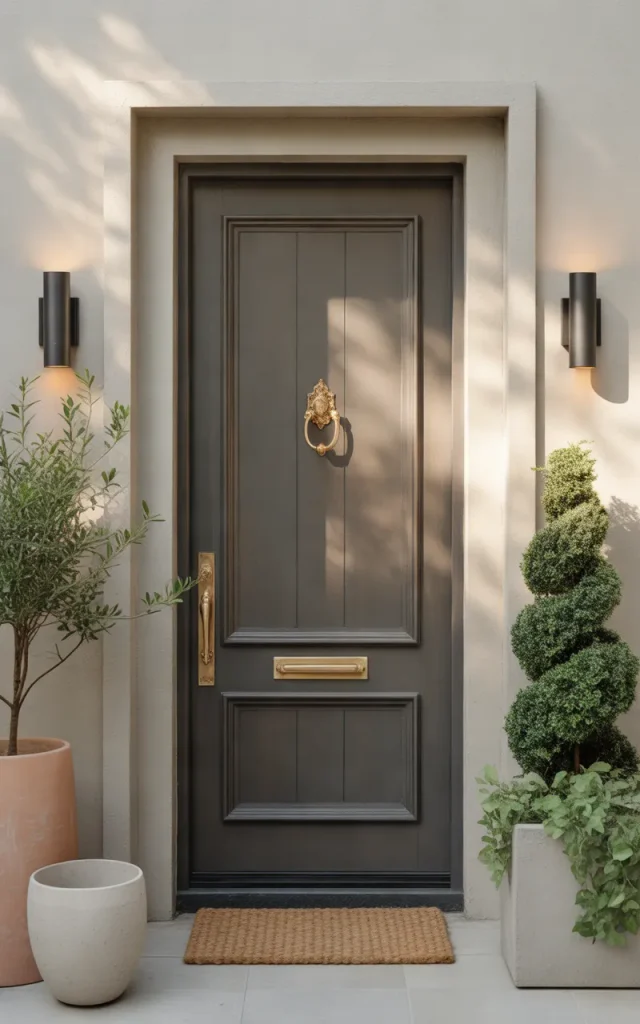
Sometimes, a tiny upgrade creates a surprisingly big impact. If your front door looks a little plain, consider replacing the handle, knocker, or other visible hardware.
Matte black works beautifully with modern doors, brushed brass adds warmth to traditional entrances, and stainless steel complements clean, contemporary architecture. For a rustic property, dark bronze can provide an understated finish.
Try to coordinate the hardware with nearby lighting fixtures or house numbers without making every metal finish identical. A little variation can look sophisticated when the undertones work together.
Before purchasing anything, check the door’s existing holes, lock configuration, and hardware dimensions. A beautiful handle should also be comfortable, secure, and easy to use.
Install a Stylish Pergola Over the Front Entrance
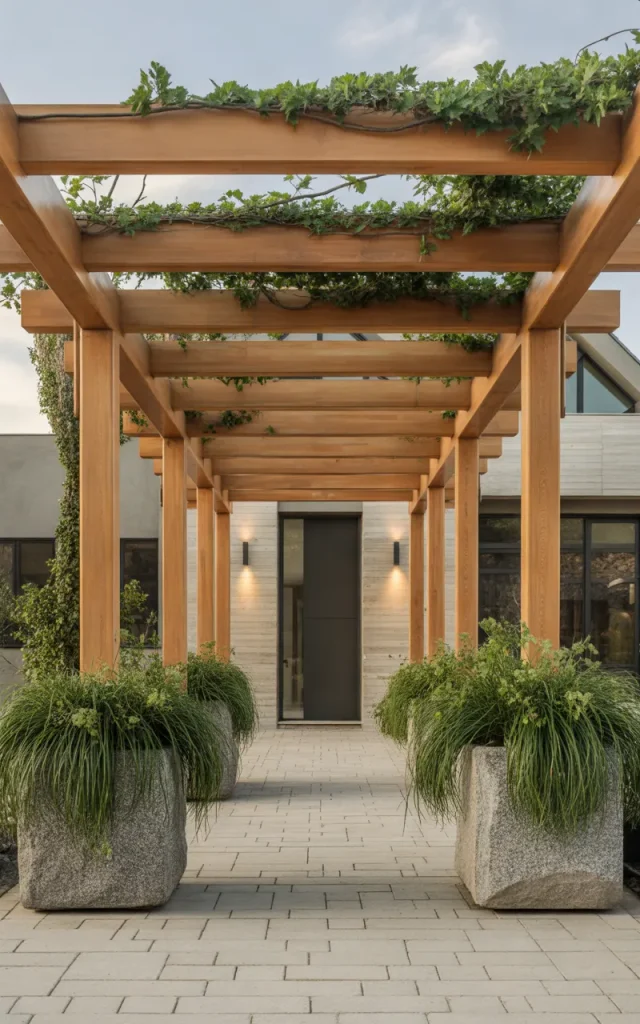
A pergola can give your front entryway a sense of architectural importance. It’s especially effective when the door feels visually disconnected from the rest of the façade.
Choose a design that complements your home’s existing architecture. Natural timber suits rustic and farmhouse-inspired homes, while dark metal or clean-lined painted wood works beautifully with contemporary exteriors.
You can leave the structure open for a minimal look or introduce climbing greenery for a softer appearance. Outdoor lighting integrated into the design can make the entrance feel particularly inviting after dark.
One rule to remember:
The pergola should look like it belongs to the house. Match its proportions, materials, and lines to the existing structure rather than adding an unrelated architectural feature.
Refresh the Entrance With Natural Stone Accents
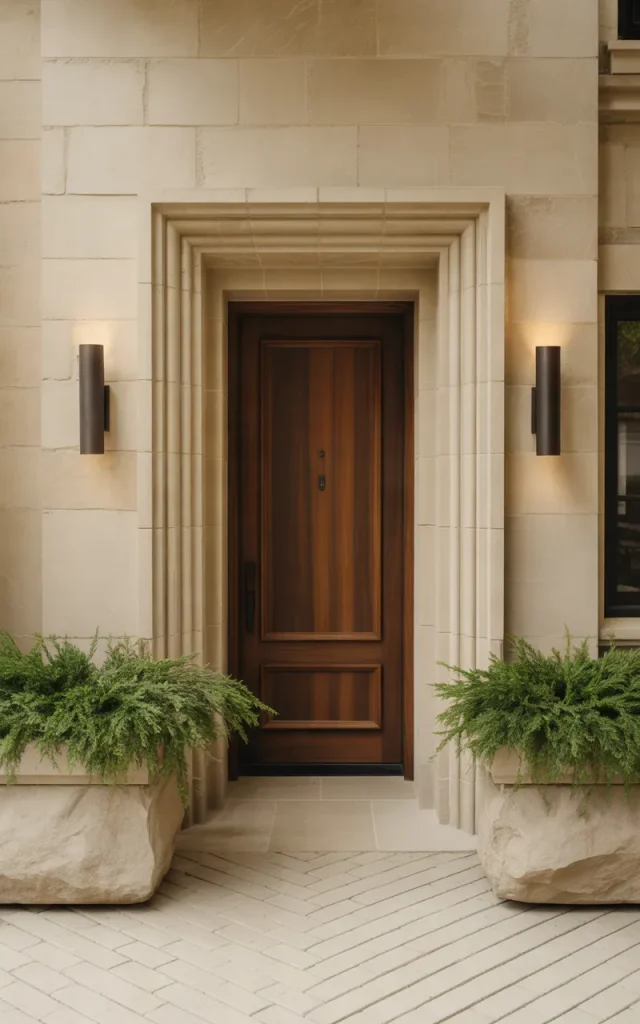
Trend callout
Natural stone introduces texture, depth, and a sense of permanence to a front entryway. You don’t need to cover the entire façade to enjoy the effect. Even a stone-clad doorway surround, a small feature wall, or a carefully selected stone threshold can create visual interest.
Limestone and light sandstone offer a soft, understated appearance, while darker slate brings a more dramatic mood. For a warmer exterior, consider earthy stone tones that complement the surrounding landscape.
Trend callout: Materials with natural variation are popular for good reason. They add character without relying on busy patterns or bright colors.
Pair stone with simple lighting and restrained greenery so its texture remains noticeable. If a full stone installation isn’t practical, outdoor-rated stone-look cladding may offer a more accessible alternative.
Style the Entrance With Oversized Outdoor Lanterns
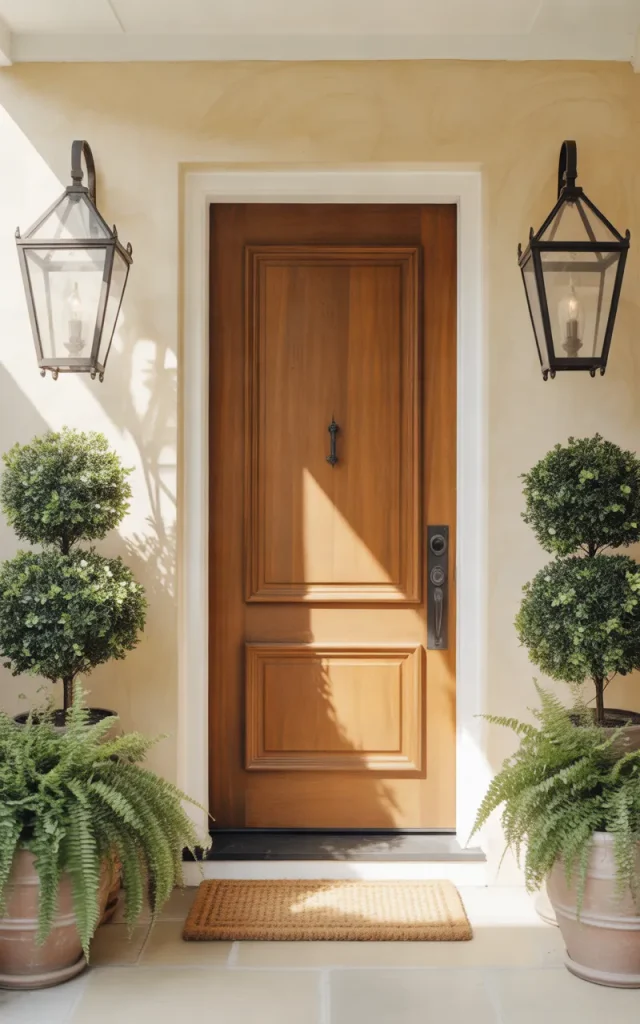
Oversized lanterns can make a front doorway feel warm and welcoming, particularly in the evening. I love the way their structured silhouettes contrast with soft plants, textured walls, and natural materials.
Place one large lantern beside the door or use a balanced pair to frame the entrance. Black metal creates a classic look, while bronze finishes feel warmer and more traditional. Choose lanterns designed for outdoor conditions and use suitable weather-rated candles or battery-operated alternatives.
You can also cluster two lanterns of different heights beside a planter for a more relaxed arrangement.
Common mistakes to avoid:
- Blocking the door swing with oversized decorations.
- Using indoor lanterns in exposed outdoor areas.
- Choosing so many accessories that the entrance looks cluttered.
A few well-proportioned pieces will create a much more polished effect than a crowded display. 🕯️
Design a Minimalist Front Entryway With Clean Lines
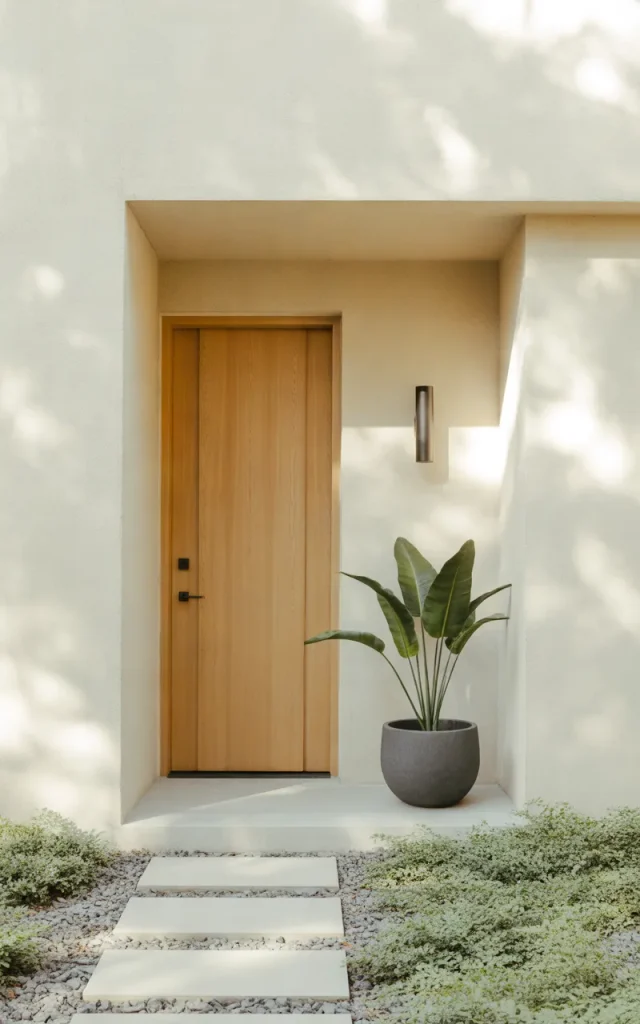
If you love uncluttered spaces, a minimalist front entryway may be exactly what you’re looking for. The idea is simple: keep the design intentional and allow a few strong features to do the work.
Start with a clean-lined door, restrained hardware, and a limited color palette. Warm white, greige, charcoal, and natural wood are reliable choices. Add a single sculptural planter or one architectural light fixture rather than filling every empty corner.
I particularly like combining a plain exterior wall with a beautiful timber door. The contrast introduces warmth without sacrificing simplicity.
Why it works:
When there are fewer competing details, the materials and proportions become more noticeable.
Bring in Warmth With a Rustic Farmhouse Entrance
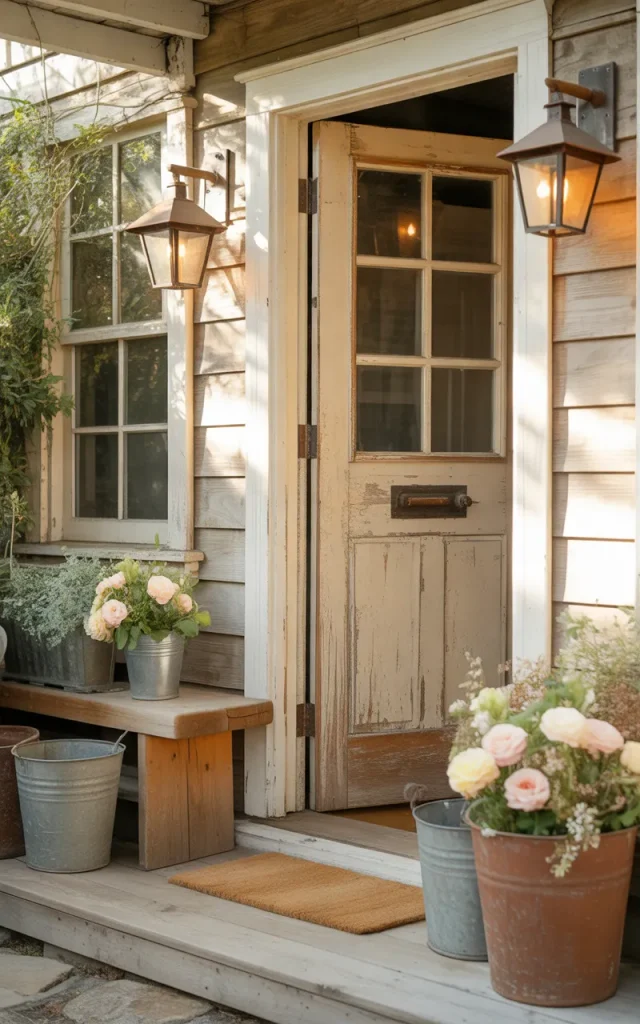
A farmhouse-inspired front entryway feels welcoming because it combines natural materials with familiar, practical details. Think weathered wood, simple metal hardware, warm lighting, and plenty of greenery.
A wooden bench beneath a window can anchor the space, while a vintage-style lantern and a neutral coir doormat add character. If you have a porch, consider a few galvanized or terracotta planters filled with seasonal flowers.
I recommend choosing a restrained palette of cream, warm gray, muted green, and natural timber. These shades work together without making the entrance feel overly coordinated.
A Micro-tip:

Introduce just one or two genuinely rustic pieces. If every accessory looks distressed or vintage, the space can start to feel like a themed display instead of a comfortable home.
Use a Contrasting Border to Highlight the Front Door
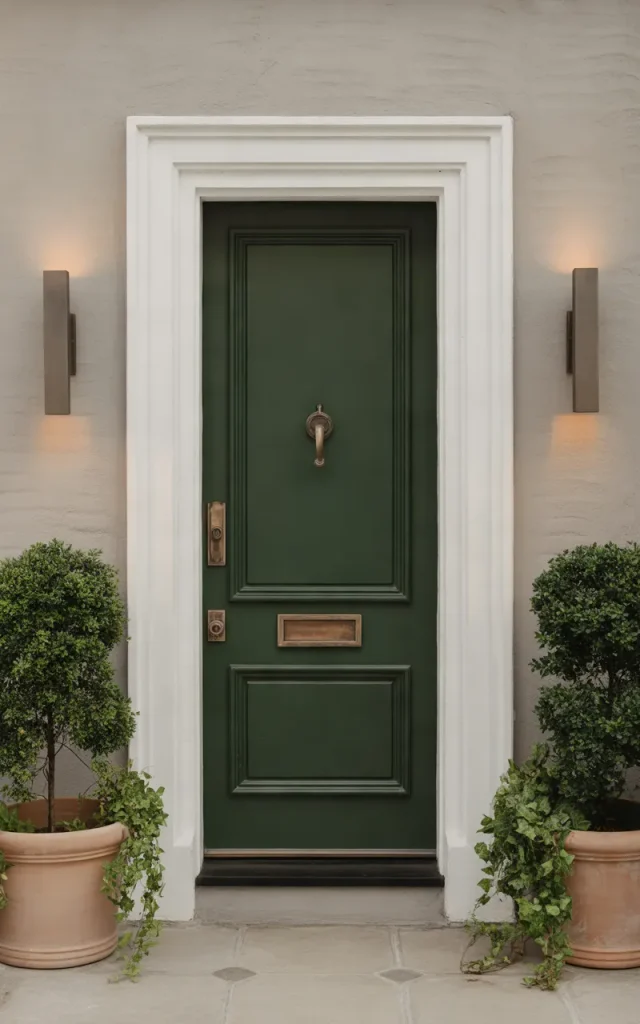
A contrasting border around your front door can make the entrance appear more defined and architectural. It’s a particularly useful technique when the exterior is simple and needs a little extra visual interest.
For example, pair a warm white wall with a charcoal door frame, or combine a deep green door with cream-colored trim. A timber frame against a pale exterior can also create a lovely natural contrast.
Before painting, look at the color of your roof, windows, and exterior flooring. These existing elements should guide your palette so the new border feels connected to the house.
Colour swap suggestion:
| If you have… | Try pairing it with… |
| White exterior walls | Black or deep green trim |
| Beige or sand-colored walls | Walnut-toned wood |
| Gray exterior walls | Warm white or muted navy |
| Brick exterior | Cream or deep charcoal |
A sample painted beside the actual doorway will help you judge how the color looks in changing daylight.
Install a Decorative Glass Panel Beside the Front Door
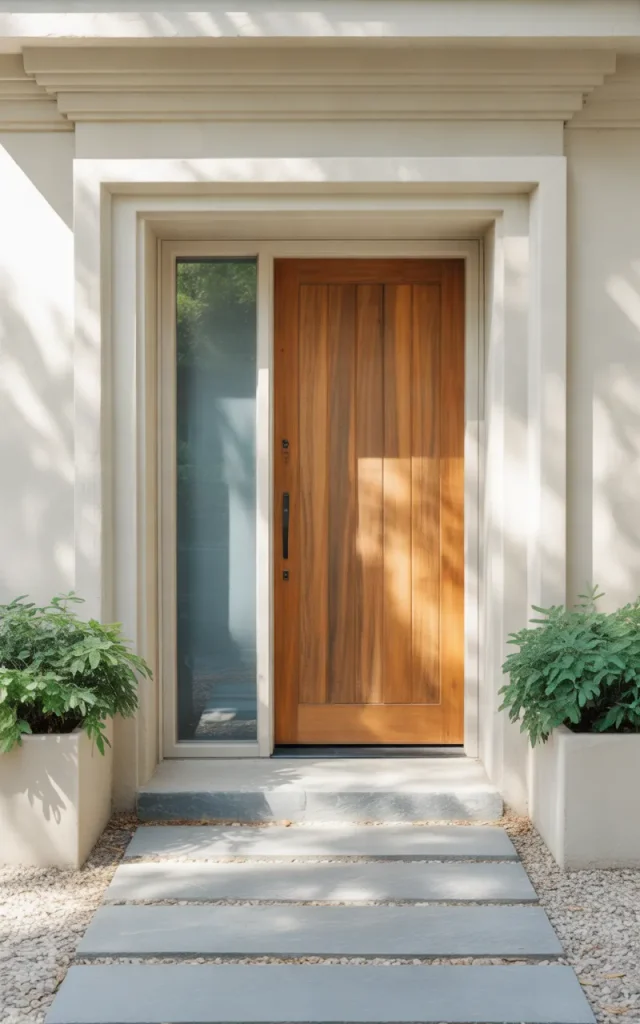
A glass sidelight can transform a front entryway by introducing daylight and making the doorway feel more open. If you’re renovating or replacing your door, it’s worth considering whether a narrow glass panel could improve the entrance.
Clear glass creates an airy, modern appearance, while frosted or textured glass offers more privacy. Traditional homes may suit decorative glazing, whereas contemporary properties often look best with simple, clean-lined panels.
I recommend considering the direction of sunlight, privacy needs, and the home’s overall security before choosing a design. High-quality, suitable safety glazing is essential.
If replacing the door isn’t an option, a decorative outdoor-rated light fixture or a brighter wall color can help create a similar feeling of openness without major construction.
Transform the Entrance With a Beautiful Tiled Pathway
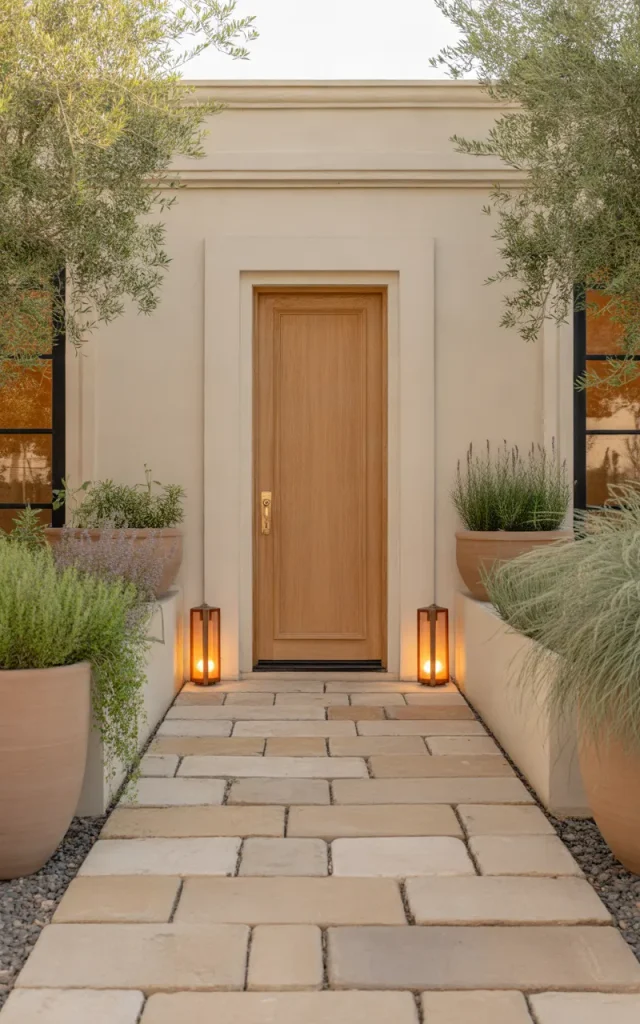
The psychology behind it
The path leading to your front door is part of the entryway experience. A beautiful walkway gently guides visitors toward the entrance and makes the transition from outdoors to indoors feel more deliberate.
Consider large-format stone pavers for a modern home, terracotta-inspired tiles for a Mediterranean look, or subtle patterned outdoor tiles for a more decorative entrance. If your façade is already visually busy, a simple pathway will create a welcome sense of balance.
The psychology behind it:


A clear, well-defined route makes an entrance easier to navigate and can create a more organized first impression.

Choose slip-resistant materials suitable for your climate, especially in areas that receive heavy rain. Make sure the surface drains properly and remains level.
Add a Decorative Privacy Screen Near the Entrance
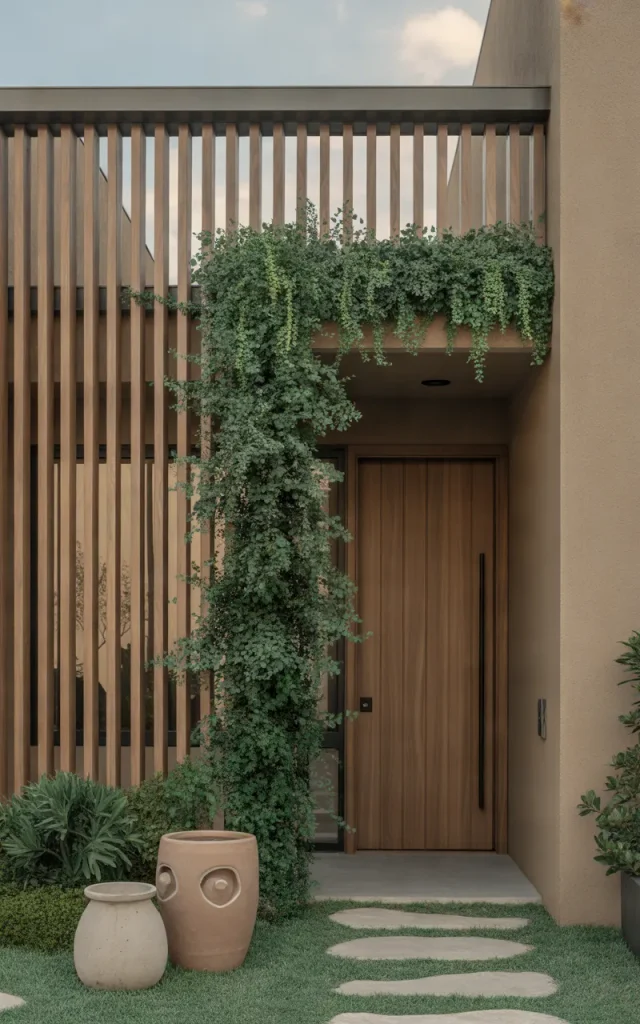
A privacy screen is a smart option if your front door opens directly onto a busy street or sits close to a neighboring property. It creates a little separation while giving the entrance a distinct design feature.
Choose vertical timber slats for a warm contemporary look, perforated metal for an industrial feel, or a suitable outdoor lattice for a softer garden-inspired appearance. You can also grow climbing plants across a screen if the structure and plant variety are appropriate.
Small space hack:
A narrow screen placed beside the doorway can define the entrance without requiring a large porch or courtyard.
Be mindful of airflow, daylight, visibility, and security. A screen should provide a degree of privacy without creating a hidden corner or obstructing the route to the door.
Arrange Symmetrical Planters for a Timeless Entrance
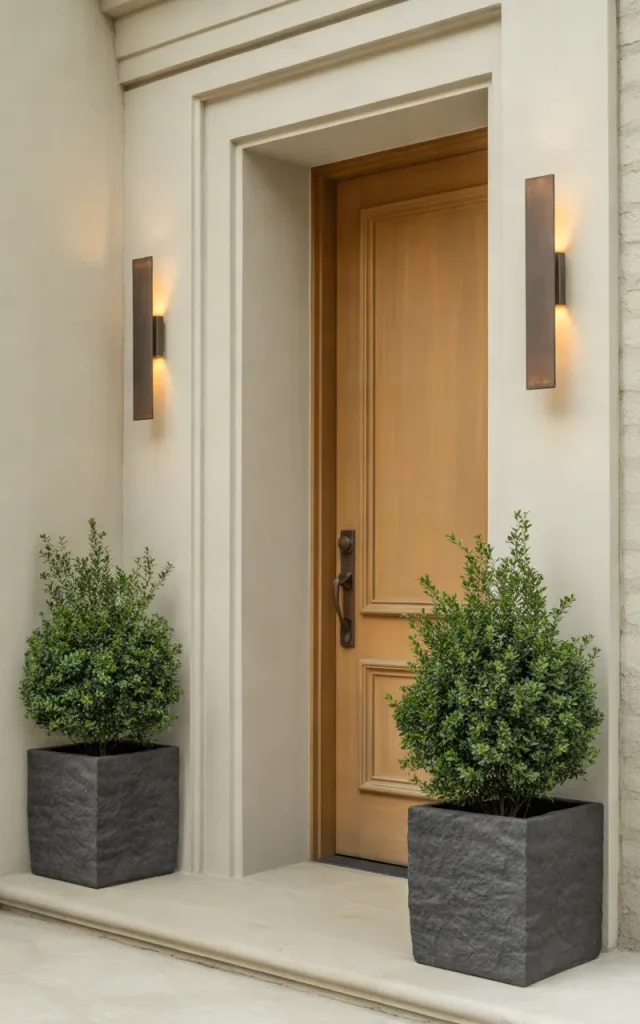
Symmetry is one of my favorite ways to make a front entryway feel polished. Placing matching planters on either side of the front door creates a visual frame and gives the entrance a natural sense of balance.
Choose containers that suit your architecture. Tall black planters feel modern, stone-look pots suit traditional homes, and terracotta adds a relaxed, earthy character. For the plants, consider matching compact shrubs, ornamental grasses, or neatly shaped foliage that remains attractive throughout the year.
You don’t have to use identical flowers if you prefer a softer look. The containers and overall plant height can provide the symmetry while the foliage introduces subtle variation.
One rule to remember:
Keep the planters proportional to the doorway. Their purpose is to frame the entrance, not overpower it.
This idea works especially well with a centered door and a fairly balanced façade.
Introduce a Mediterranean Look With Terracotta and Warm Colors
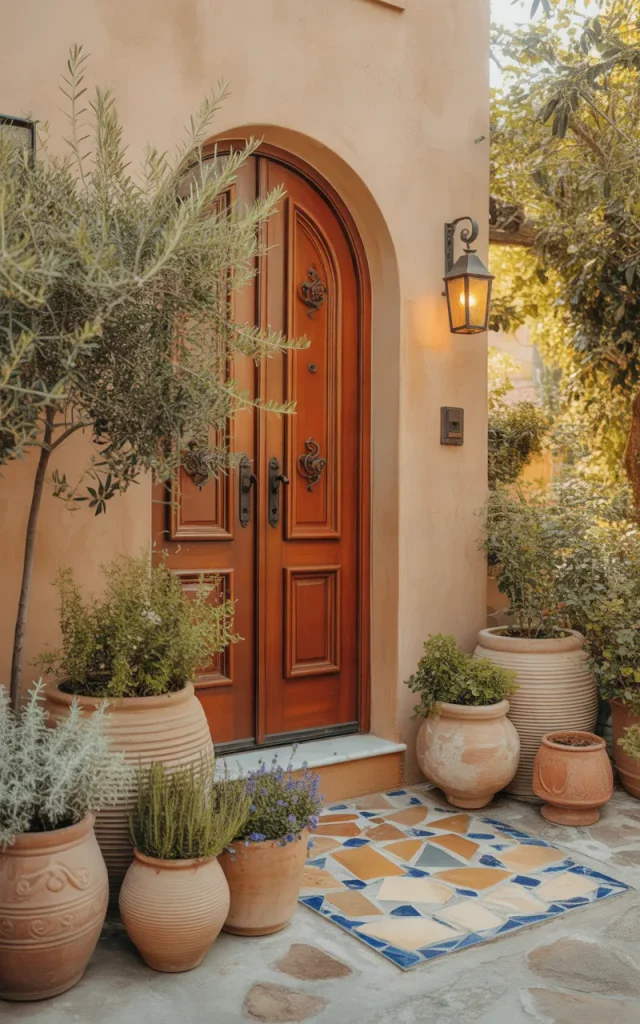
A Mediterranean-inspired front entryway feels sunny, relaxed, and full of character. You can recreate the mood with earthy materials and a warm palette, even if your home doesn’t have traditional Mediterranean architecture.
Start with terracotta pots, sandy beige walls, and a natural wood or richly colored front door. Add olive-toned foliage, a simple wrought-iron detail, or a patterned outdoor tile if it complements the existing exterior.
I would avoid introducing too many bright colors at once. Warm white, clay, muted ochre, and soft green create a more natural combination.
How to steal this look:
- Group terracotta pots in two or three different sizes.
- Choose plants suited to your local weather and available sunlight.
- Add a warm-toned doormat or a textured outdoor rug.
- Finish with a lantern-style light in a complementary metal finish.
The overall effect should feel collected and welcoming rather than overly styled. ☀️
Make the Front Entryway More Functional With Hidden Storage
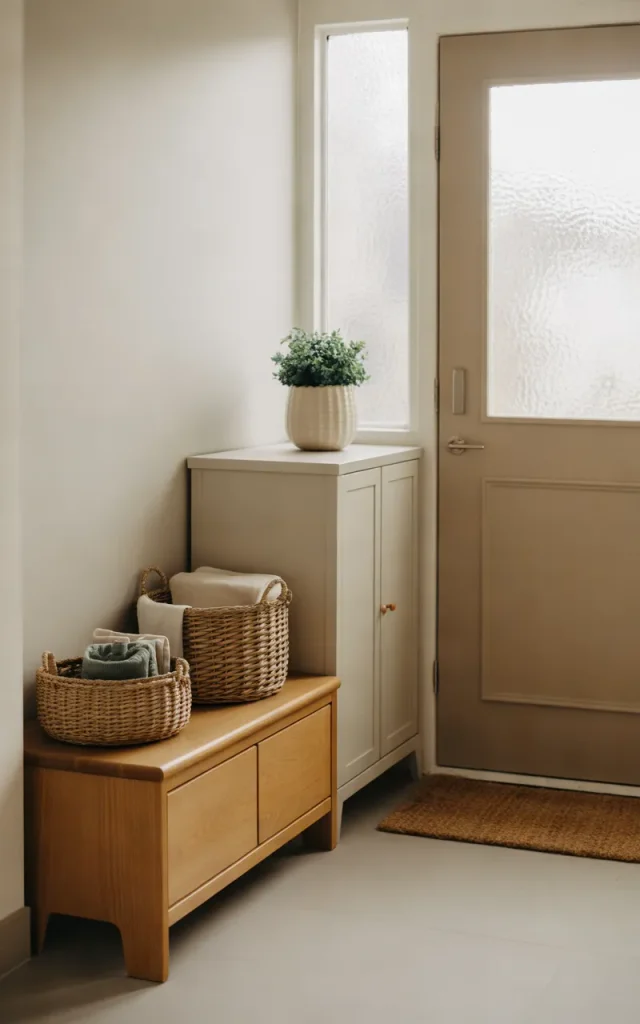
A beautiful entrance is even better when it helps keep everyday clutter under control. If your front entryway has a sheltered porch or an indoor foyer, consider incorporating discreet storage for shoes, umbrellas, shopping bags, and other essentials.
A storage bench offers both seating and a place to tuck items away. A slim cabinet works well in tighter spaces, while a few weather-resistant baskets can organize smaller belongings.
Choose finishes that match your home’s style. Natural wood feels warm, painted cabinetry looks classic, and simple neutral storage blends easily into contemporary spaces.
What most people get wrong:

They focus entirely on decorative objects and forget how the entrance is actually used.

Think about your daily routine before choosing storage. Keep frequently used items easy to reach, leave the walking path clear, and avoid placing moisture-sensitive belongings where rain can reach them.
Final Thoughts
Your front entryway doesn’t have to be large or expensive to make a wonderful first impression. Sometimes, a freshly painted door, a pair of planters, or better lighting is all you need to transform the space.
I’d suggest choosing one idea that fits your home’s architecture and your everyday needs, then building on it gradually. You might discover that a few thoughtful changes make your entire exterior feel more inviting.
After all, your entrance is more than a doorway. It’s the little welcome that greets you every time you come home. 🏡
