Most bathrooms are built to look perfect on day one and a little tired by year five. Shiny acrylic scratches, vinyl peels, and that glossy white tile starts to feel like a waiting room. Natural materials work the other way around. Stone softens, wood darkens, clay picks up a gentle sheen, and the room slowly starts to look like it has always belonged to your family.
That is what these natural bathroom ideas are all about. Real lime plaster, honest oak, handmade terracotta, linen that wrinkles, jute that feels good under bare feet. Nothing fussy, nothing fake, and plenty of options for every budget and every kind of house. 🌿
Some of these are full renovation moves, and some take an afternoon. Pick the ones that make you exhale a little when you read them.
Wrap the Walls in Warm Lime Plaster
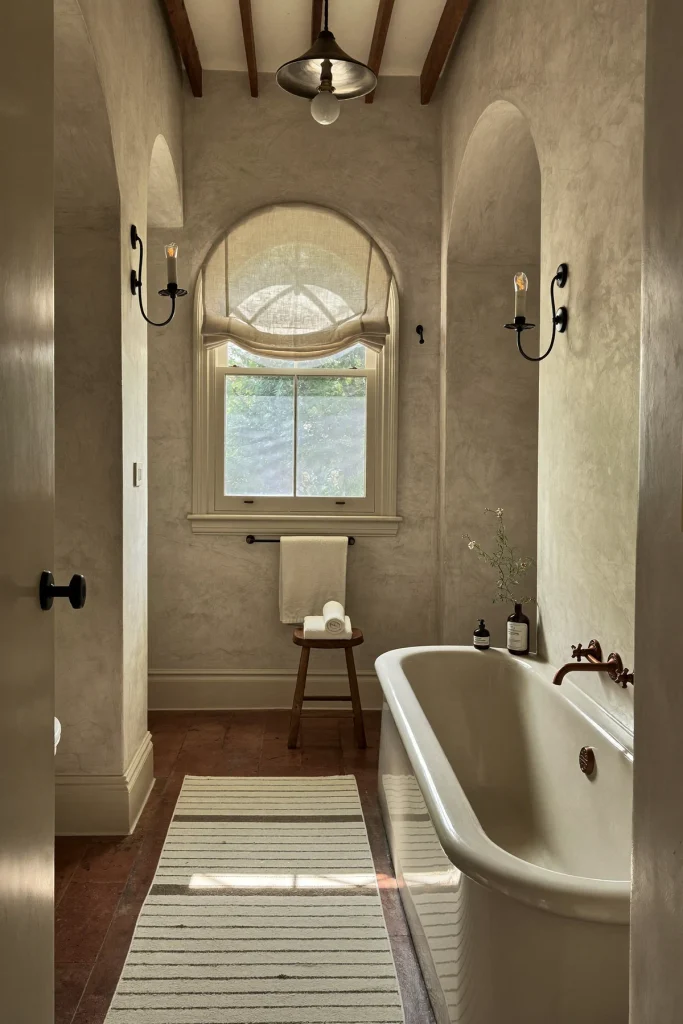
Lime plaster is the easiest way to make a bathroom feel handmade. It goes on in thin, troweled layers, and the finish has a soft cloudiness that flat paint simply cannot copy. In a warm oat or sand tone, the walls almost glow when the vanity lights come on.
It also breathes. Lime absorbs humidity and lets it go again, so it handles steamy showers better than you might expect, as long as you keep it out of direct spray.
Why It Works
Your eye reads the slight movement in the plaster as depth. A small room feels richer, and every bit of light gets softened before it bounces around.
Build the Vanity From Reclaimed Oak
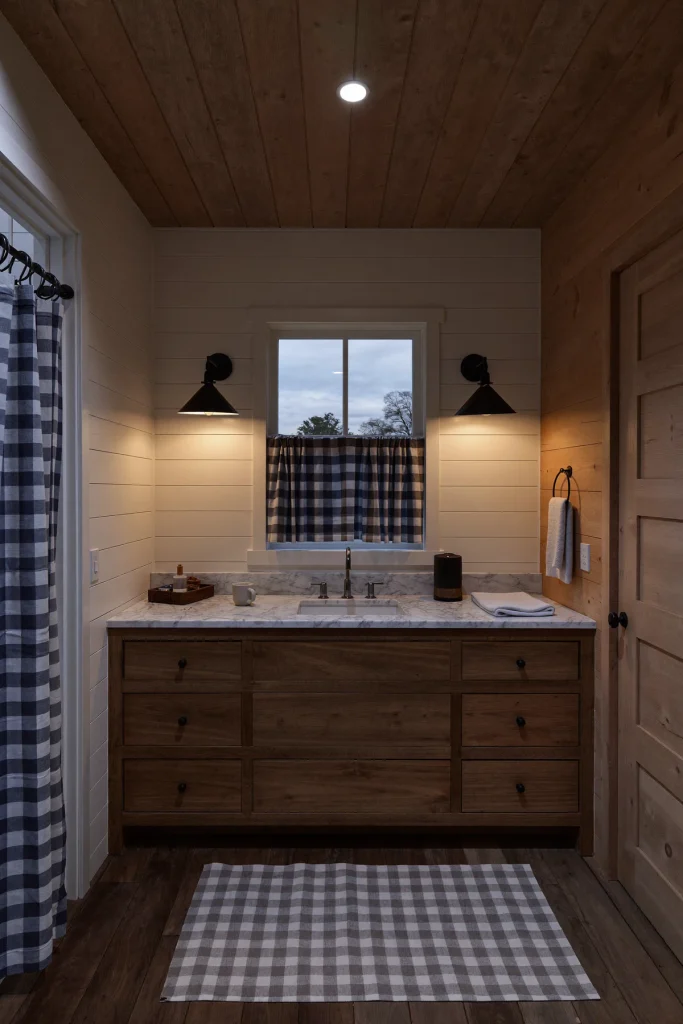
A vanity made from old oak boards brings history into the room before you have even hung a towel. Nail holes, saw marks and a little color variation are the whole point here, so don’t sand them away. 🪵
Pair the wood with a simple stone top and an undermount sink, and finish the boards with a hardwax oil rather than a thick plastic coat. Oil soaks in, keeps the grain feeling like wood, and can be touched up in minutes when a splash leaves a mark.
Look for salvage yards, old barn sellers and local woodworkers who build to size.
Choose a Honed Travertine Tub Surround
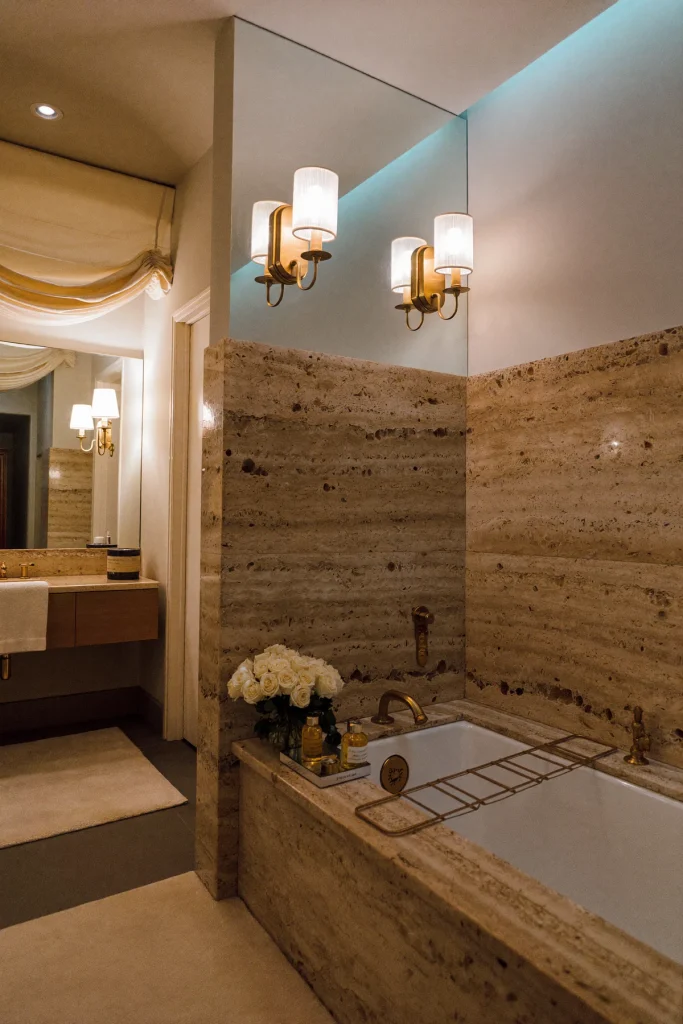
Travertine has those tiny natural holes and soft swirls that make it feel warm instead of icy. Honed, not polished, it has a gentle matte finish that looks almost like suede in lamplight.
Wrapping the tub deck and the wall behind it in the same stone gives the bath real presence. Add a brass tub filler and one good sconce on each side, and the whole corner feels quietly glamorous without trying too hard. ✨
Have the stone filled and sealed so soap and water don’t settle into the pores.
Hang Linen Café Curtains for Soft, Filtered Light
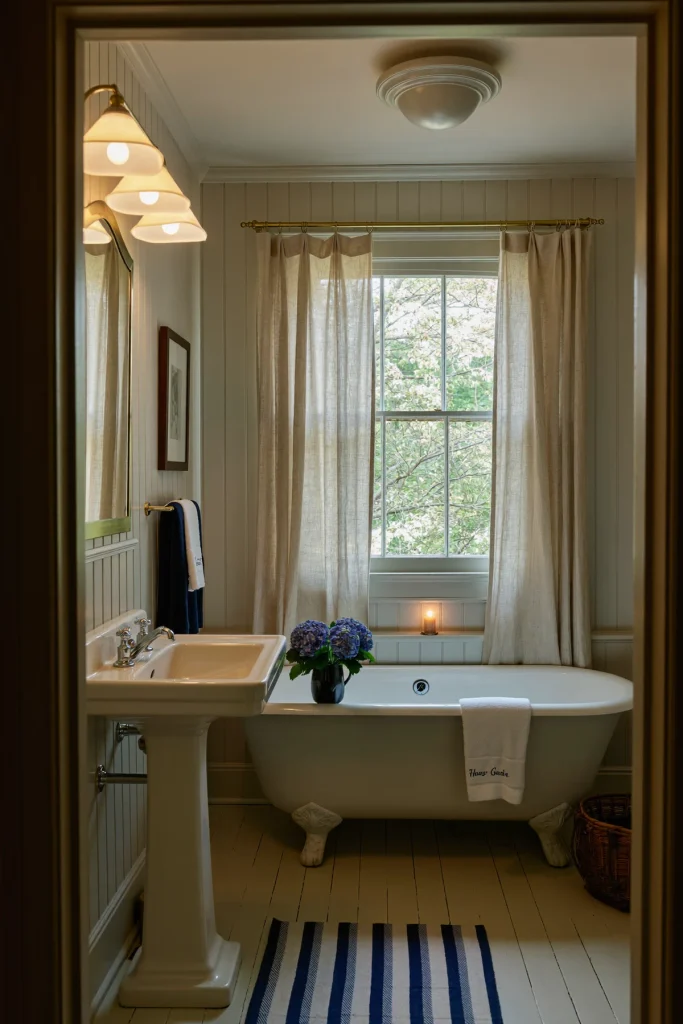
Café curtains cover the bottom half of the window, so you keep your privacy while daylight still pours in over the top. In natural linen, they turn harsh sun into something soft and milky.
Use a slim brass or wooden tension rod at the midpoint of the window and let the fabric hang just a touch longer than the sash. Unlined linen is best here. It dries fast after a steamy shower and wrinkles in the nicest, most relaxed way.
Renter-Friendly Version

Tension rods need no drilling at all. Clip-on rings and a pre-hemmed linen panel give you the look in ten minutes, and everything comes down cleanly on moving day.
Line the Floor With Handmade Terracotta Tiles
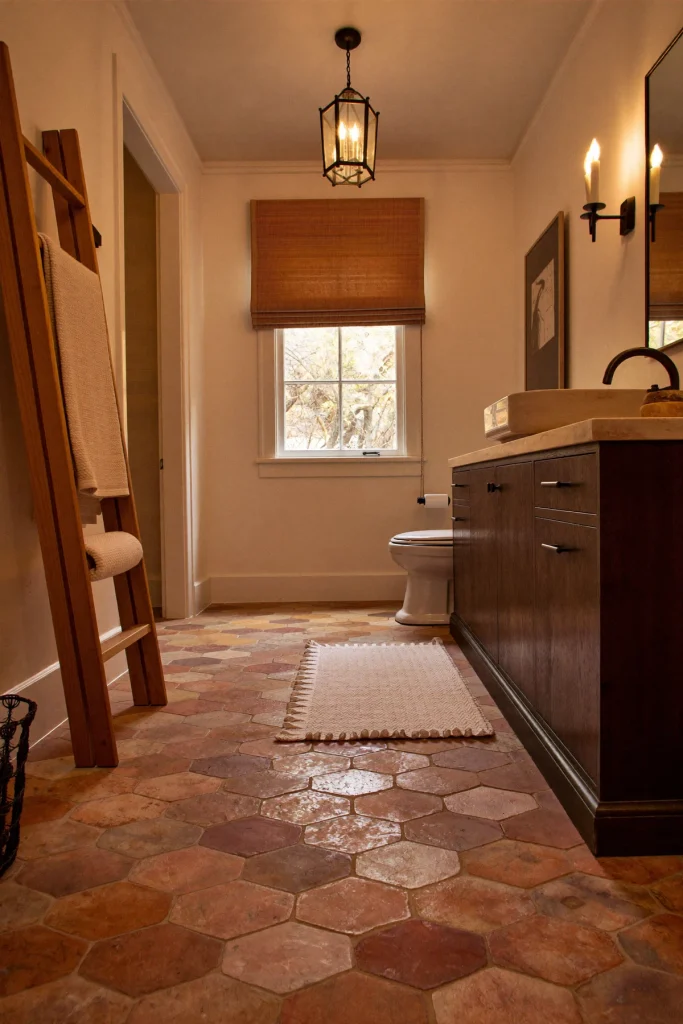
Terracotta brings instant warmth. Every handmade tile is a little different in shade, from honey to rust to faded pink, and together they look like a floor that has been walked on happily for decades.
Lay them in a simple square grid or a hexagon pattern, and seal them properly, since raw clay soaks up water and stains. Over the years the surface develops a soft patina that’s honestly better than the day it went down.
Terracotta looks lovely with white plaster walls, dark wood and black iron fixtures.
Swap Plastic Caddies for Woven Rattan Baskets
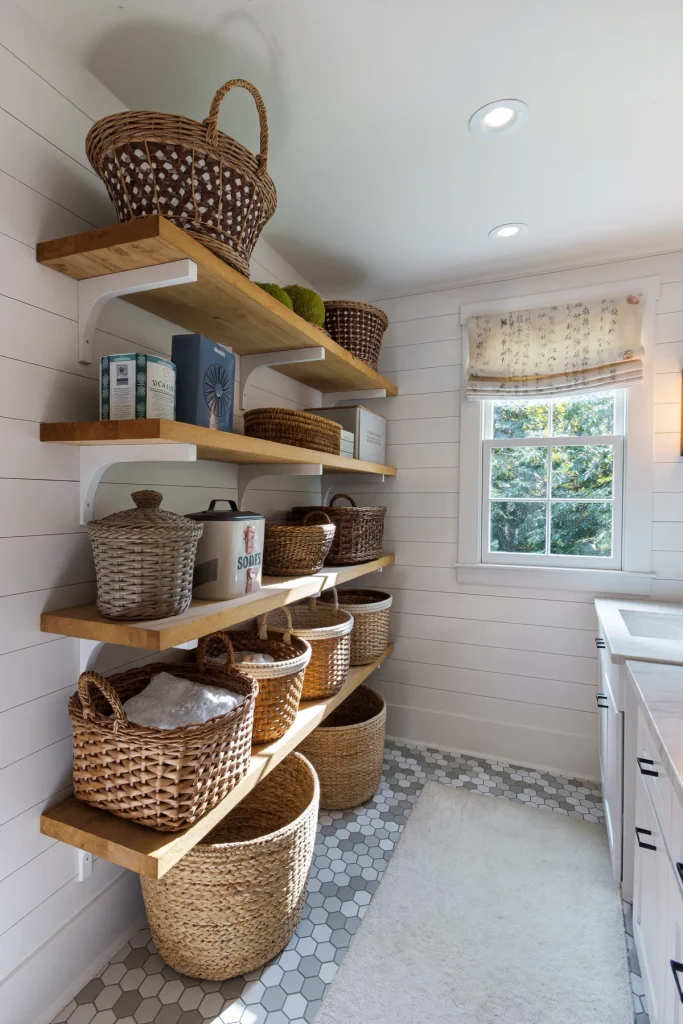
Plastic bins are the quickest way to make a natural bathroom look ordinary. Rattan, seagrass and willow baskets do the same job and look far better on open shelves.
Use a large lidded basket for spare toilet paper, smaller ones for hair tools and kids’ bath toys, and a shallow tray on the counter for everyday things. Keep the weaves similar in color so the shelves look calm, not cluttered.
Line the baskets with a scrap of linen if you store small items, so nothing slips through the gaps. 🧺
Install a Solid Stone Vessel Sink
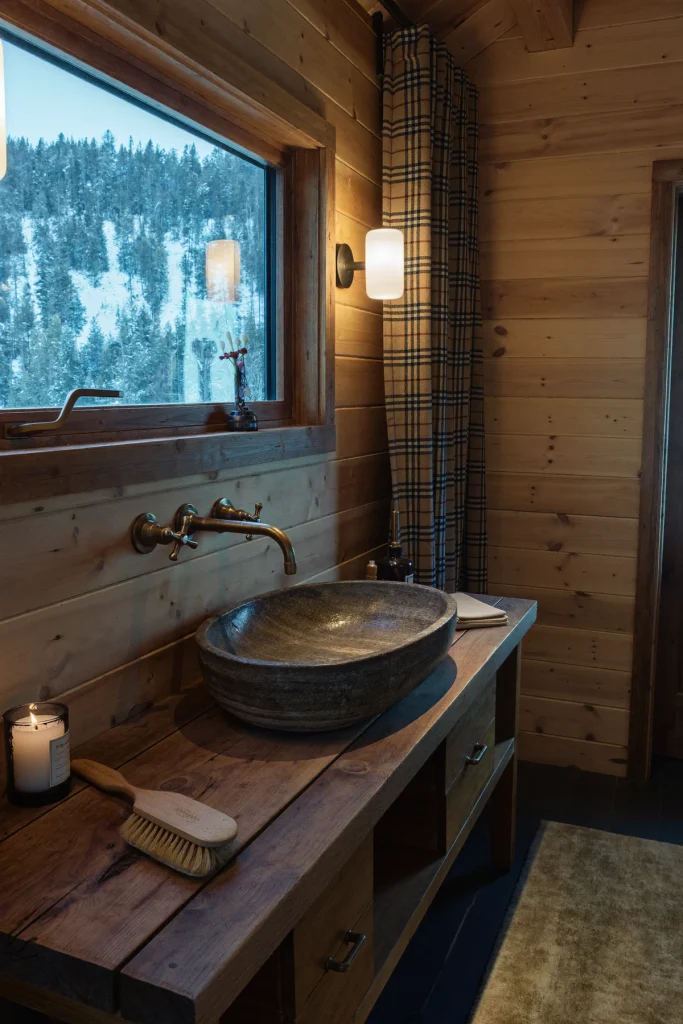
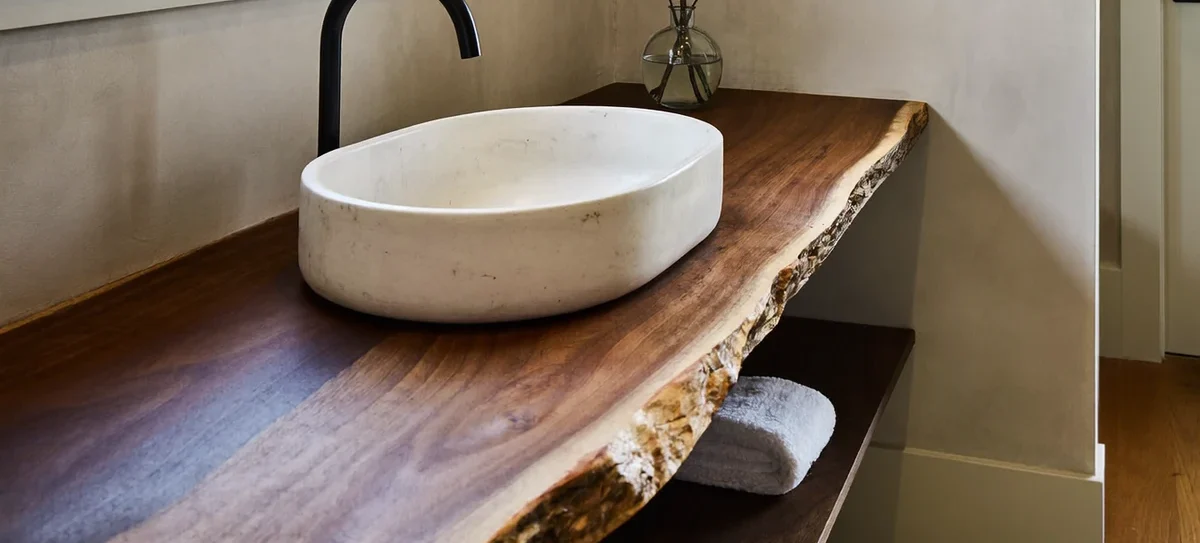
A sink carved from a single piece of stone is pure natural beauty. River stone, marble or granite vessels each have their own veining and shape, so yours will be the only one like it.
Set it on a thick wooden counter or a simple open shelf so the stone gets all the attention. A wall-mounted faucet keeps the counter clear and makes cleaning around the base easier.
Vessel sinks are heavy, so make sure the counter is properly supported. Check the faucet height before you buy, too.
Clad the Ceiling in Tongue-and-Groove Cedar
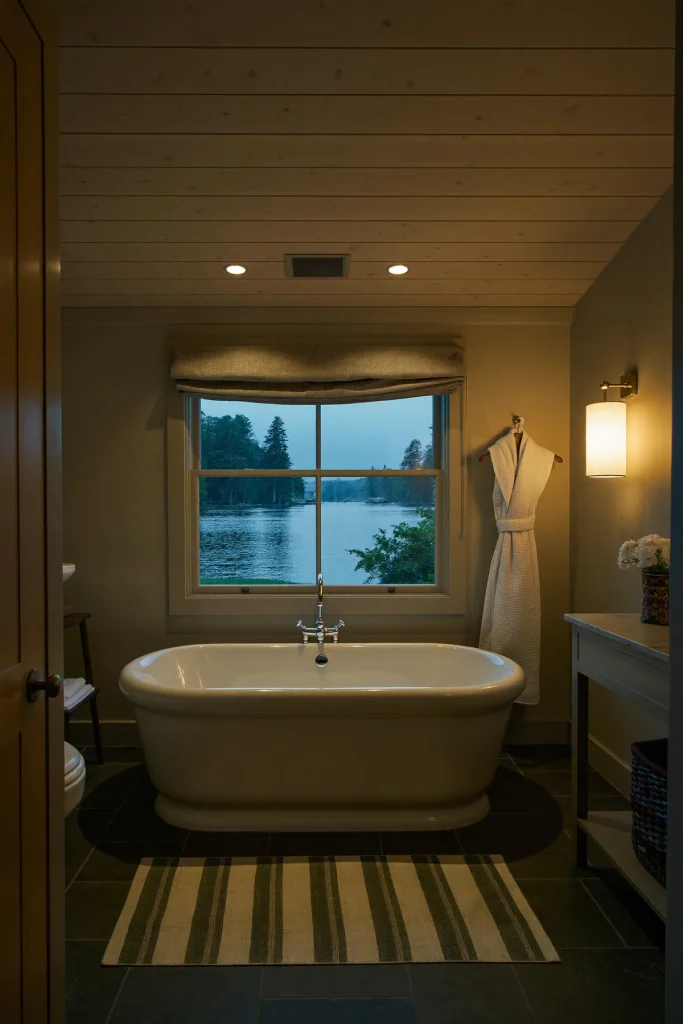
Look up. A cedar ceiling brings the cozy feeling of a cabin into any bathroom, and it smells wonderful when the room fills with steam. Cedar naturally resists moisture and rot, which is why it’s been used in saunas for generations.
Run the boards along the longest length of the room to make it feel bigger. Leave the wood unfinished or use a clear, breathable oil, and add recessed lights or a simple flush mount so the ceiling stays clean and uncluttered.
A good exhaust fan matters even more with a wood ceiling. Keep the air moving, and the cedar will stay pale and lovely for many years.
Try Cork Flooring for Warm, Quiet Feet
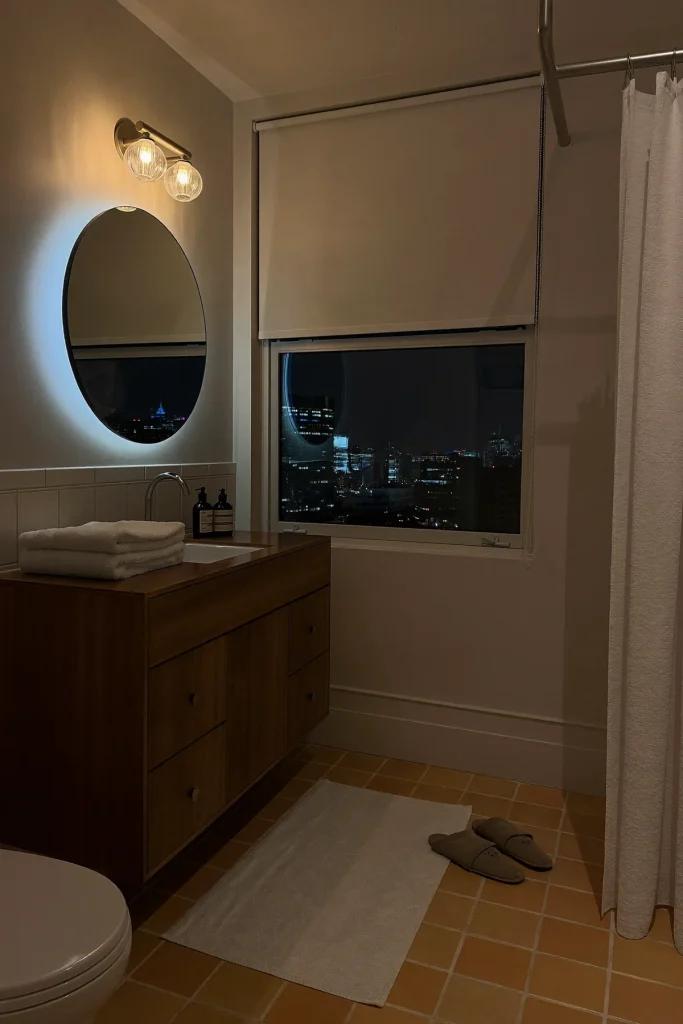
Cork is one of the most underrated bathroom floors. It’s soft and warm underfoot, it muffles sound, and it’s made from bark that regrows on the tree after harvesting. That’s about as natural as flooring gets.
Today’s cork tiles come in honey, chestnut and even deep charcoal tones. Choose glue-down tiles for bathrooms rather than floating planks, and finish them with a water-based sealer so splashes wipe right up.
It’s especially kind to anyone who stands at the sink for a long time, and to toddlers who take the occasional tumble.
Myth-Buster
Cork does not turn into a soggy mess in a bathroom. Properly sealed, it handles everyday splashes just fine. It only needs a fresh coat of sealer every few years.
Frame the Mirror in Raw, Weathered Timber
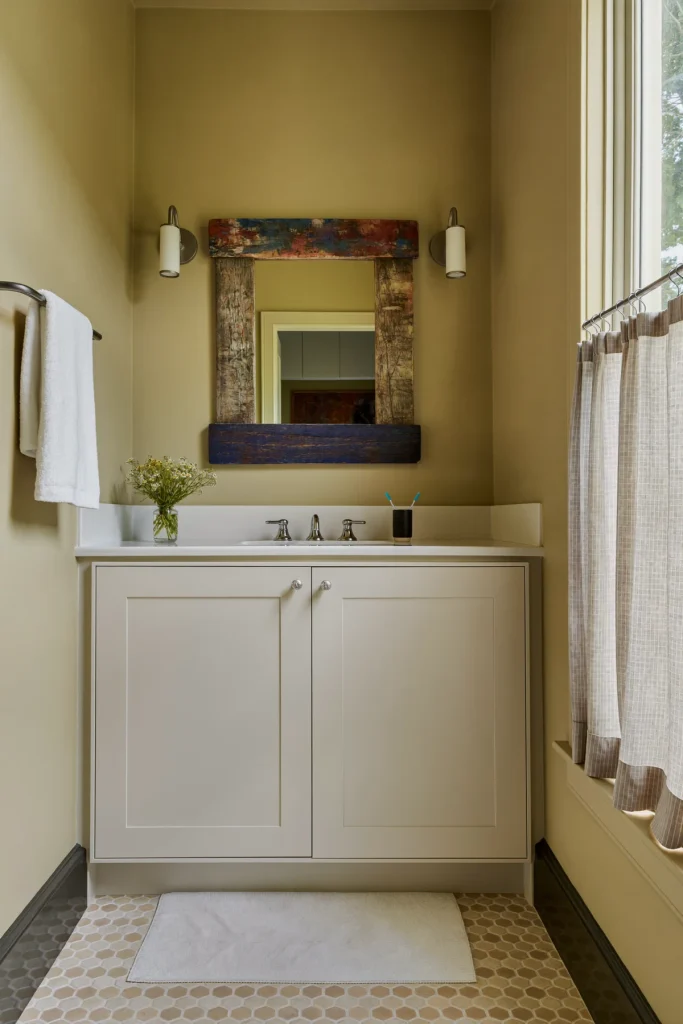
A wooden frame softens the hard edges of any bathroom. Choose timber with visible grain, knots and a slightly weathered surface. Old fence boards, reclaimed pine and driftwood all work beautifully.
A chunky frame looks wonderful over a simple vanity, especially next to stone or plaster walls. Hang it slightly lower than you think, so the frame relates to the sink instead of floating high on the wall.
Weekend Project
- Measure your mirror and cut four boards with simple butt joints.
- Sand lightly, keeping the weathered surface.
- Seal with a matte, water-based finish.
- Glue the frame onto the mirror face with mirror-safe adhesive.
Use Clay Zellige Tiles for a Handmade Shimmer
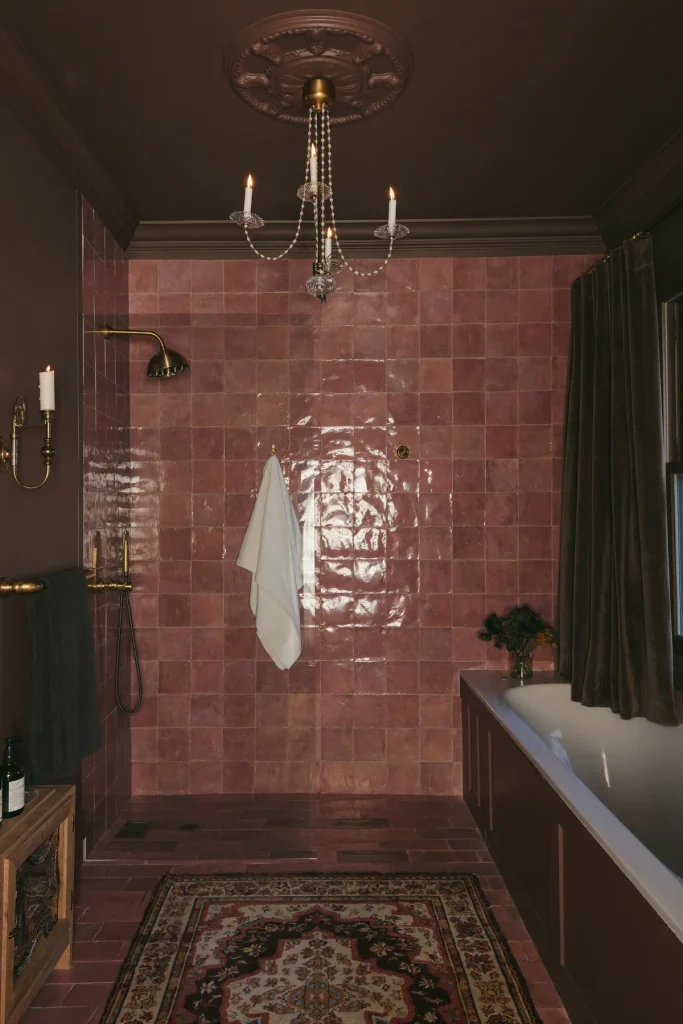
Zellige tiles are made from clay, shaped by hand and glazed, so no two are exactly alike. Some are slightly darker, some catch the light at a different angle, and together they make a wall that shimmers.
A shower wall or a backsplash behind the sink is the perfect place for them. Cream, warm white and soft clay pink are lovely if you want the room to stay calm and earthy. Ask your installer to set them with very tight joints so the handmade edges show off.
Zellige looks especially pretty in candlelight or under a warm sconce, when every tile glows slightly differently.
Add a Teak Bath Mat and a Matching Shower Bench
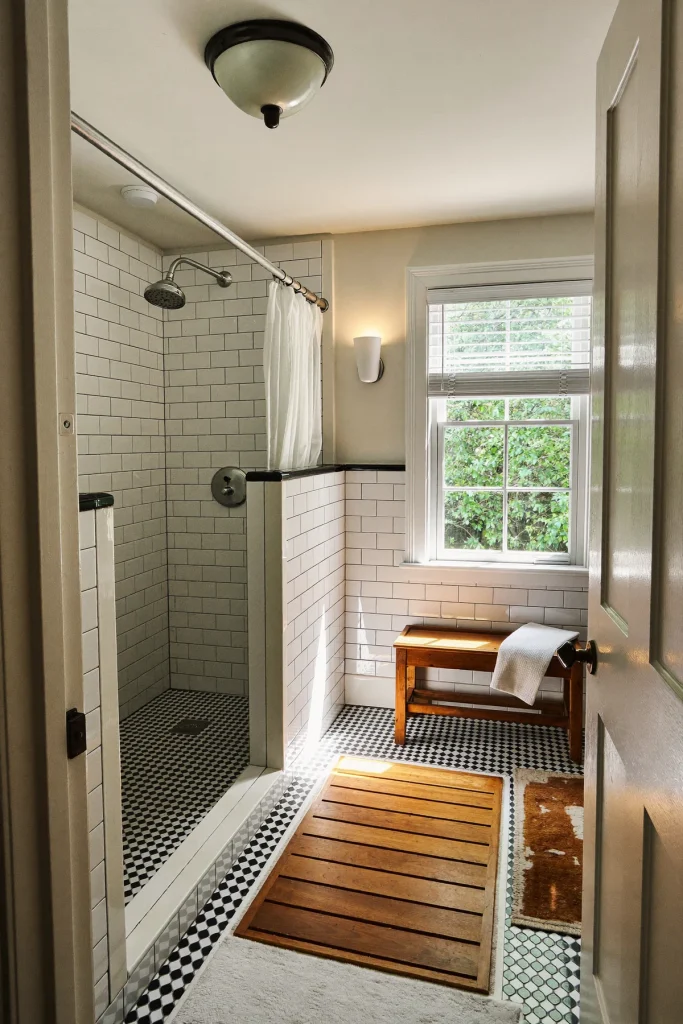
Teak is the wood boat builders trust, which tells you everything about how it handles water. A teak bath mat outside the shower dries quickly, never gets that musty smell, and feels lovely and warm on wet feet.
Add a small teak bench inside or next to the shower, and suddenly you have somewhere to sit, shave your legs, or set down a towel. The two pieces together make the space feel thoughtful and comfortable. 🙌
Leave teak unfinished and it’ll turn a soft silvery grey over time. Oil it once or twice a year if you prefer to keep the honey color.
Lean a Wooden Ladder for Linen Towels
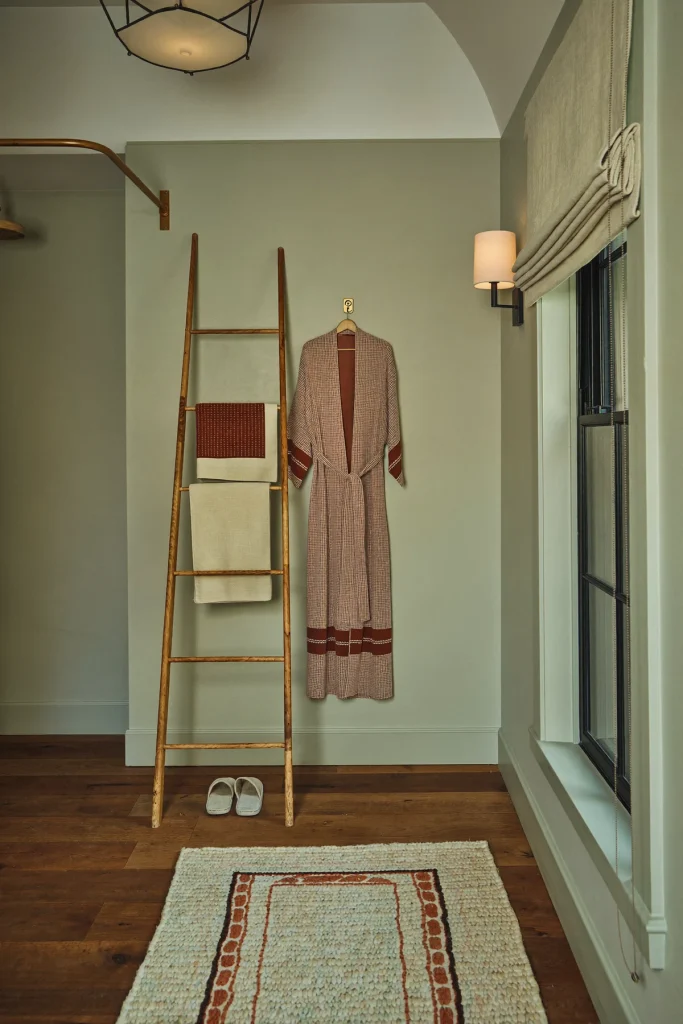
A simple wooden ladder leaning against the wall is one of the easiest natural touches you can add. It holds towels, a robe and even a small basket, and it takes up hardly any floor space.
Look for one made from oak, ash or bamboo with a soft oiled finish. Drape it with stonewashed linen or waffle-weave cotton towels in oatmeal, rust and cream. Linen dries faster than thick cotton, which is a real bonus in a small bathroom.
Secure the top with a small hook or anti-slip pads, especially if little ones like to climb. 😊
Expose a Wall of Natural Stone
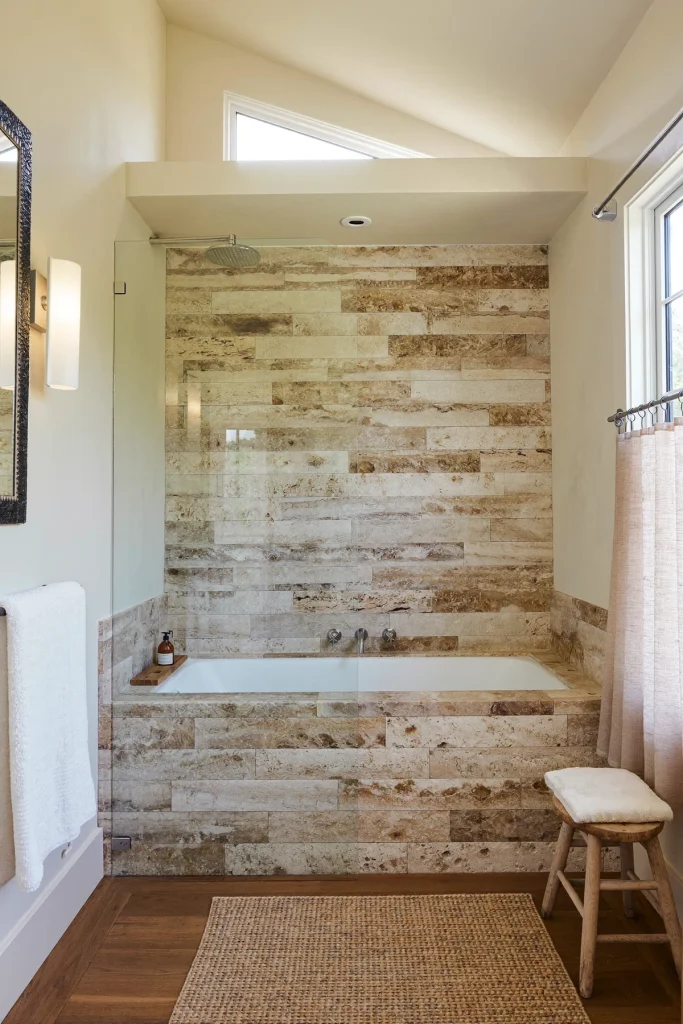
A stone feature wall brings real texture and a sense of permanence. Fieldstone, slate or stacked limestone behind the tub or vanity makes the room feel grounded, like it’s built into the hillside.
If you don’t have an old stone wall hiding behind the drywall, thin stone veneer gives the same look with far less weight. Light it from above with a wall washer or recessed spot so every ridge and shadow stands out.
Keep the rest of the room quiet. Plaster walls, wood and soft linen let the stone wall be the hero.
Do This 👉 / Not This ❌
- Do this 👉 Pick one stone wall and let it shine.
- Not this ❌ Mixing three stone types in one small bathroom.
- Do this 👉 Seal stone near the shower to prevent water marks.
Let Unlacquered Brass Develop Its Patina
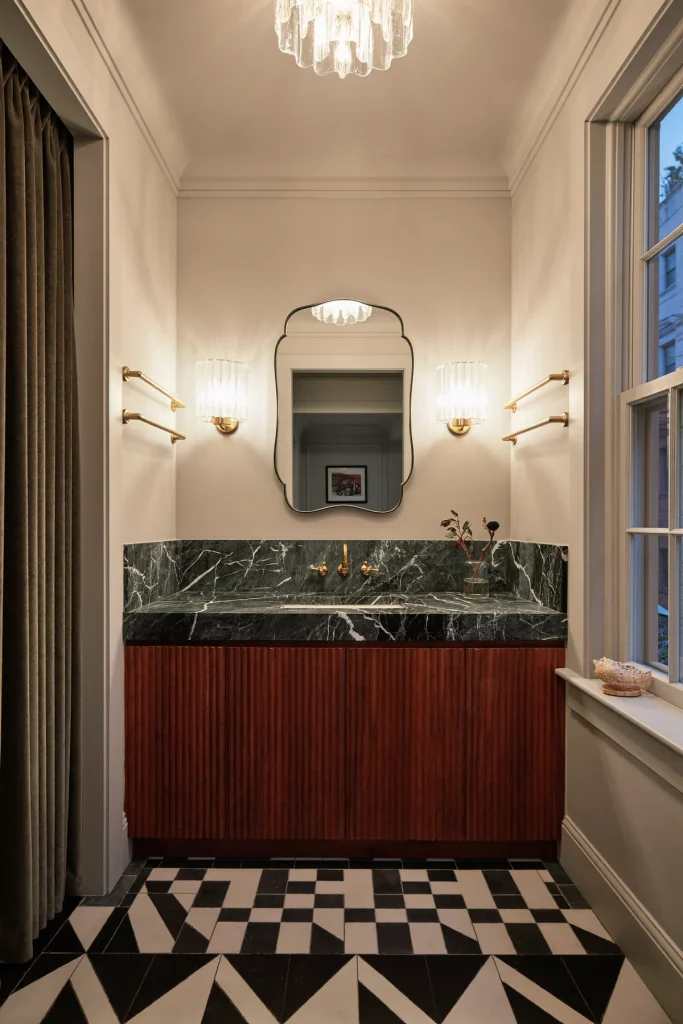
Natural doesn’t only mean wood and stone. Raw metals like unlacquered brass and copper change over time too, turning from bright gold to a soft, warm bronze.
Use unlacquered brass for the faucet, towel bars and cabinet pulls, and let it age with your family. The areas you touch most stay a bit brighter, which gives the finish a beautiful, used look.
Pair the brass with marble or stone and deep wood, and the room feels like it belongs in an old, well-loved house. A green marble counter looks especially rich with aged brass.
Patina Forecast
| Time | What unlacquered brass looks like |
|---|---|
| First month | Bright, shiny gold |
| Six months | Warmer, with soft spots near handles |
| Two years and on | Deep bronze with lighter wear on edges |
Paint With Clay Paint in a Sunbaked Earth Tone
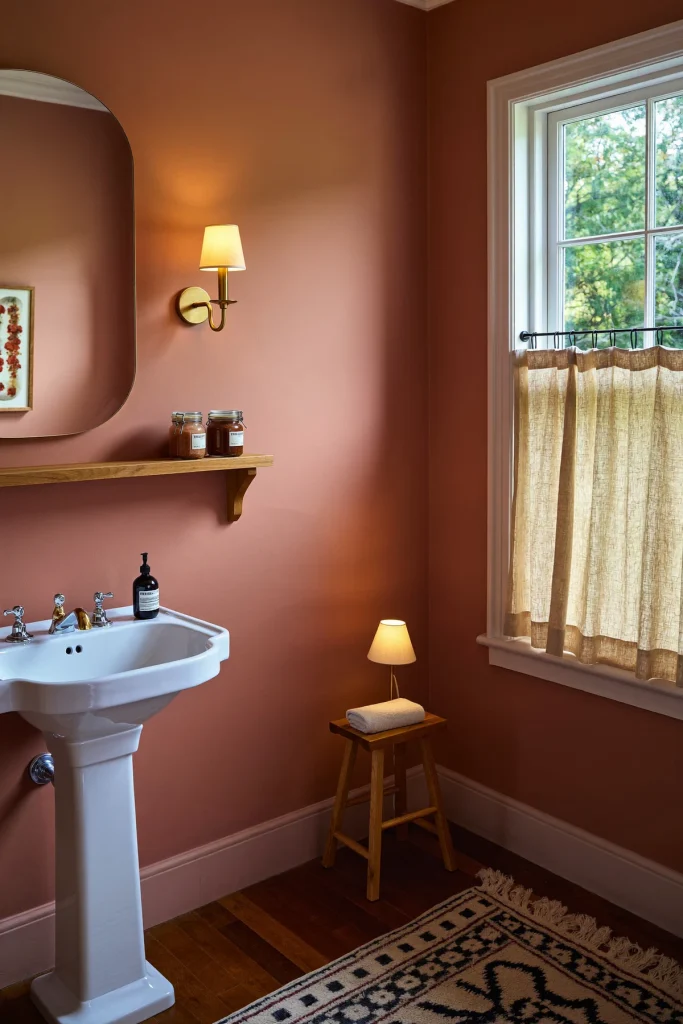
If plaster feels like too much commitment, clay paint is a beautiful middle step. It’s made with natural clay and mineral pigments, so the finish is chalky, soft and has a slight movement, almost like suede.
Earthy tones look best here: terracotta pink, soft ochre, sandy clay or warm mushroom. These colors look good in morning light and even better in the evening, when lamps make the walls look like they’re glowing from inside.
Clay paints aren’t usually rated for direct water, so use them on walls away from the shower and choose a washable mineral paint near the tub. Remember the lime plaster from idea 1? Clay paint gives a similar softness for a fraction of the effort and cost.
Color Swap
| Instead of | Try |
|---|---|
| Bright white | Warm chalky limestone |
| Cool grey | Mushroom clay |
| Builder beige | Soft terracotta pink |
Hang a Woven Rattan Pendant Above the Tub
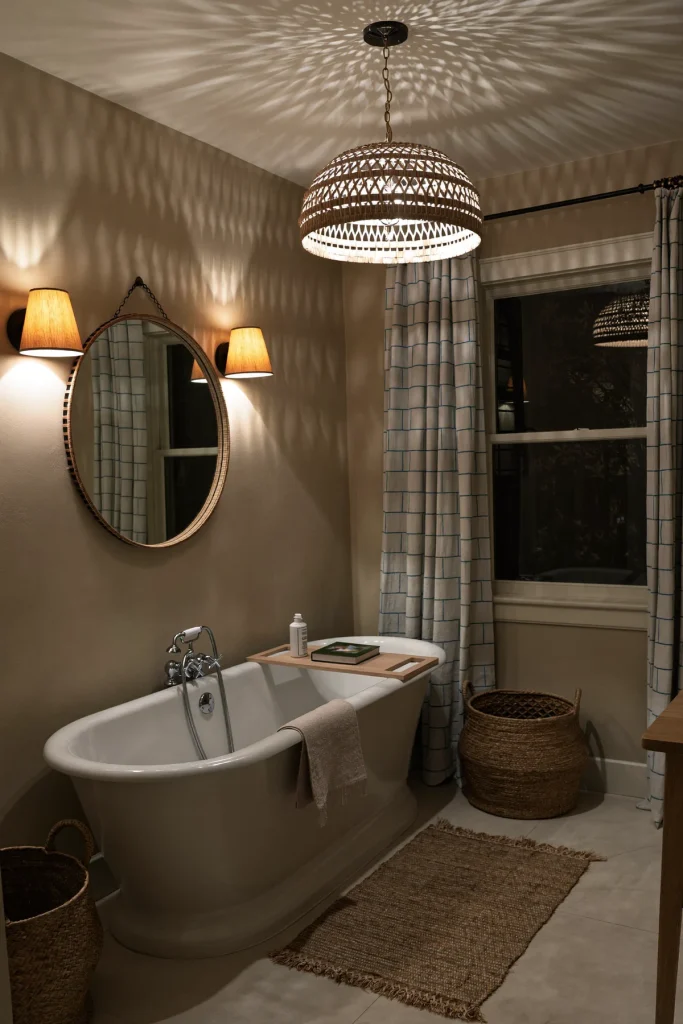
A woven pendant light does something magical in a bathroom. The light shines through the weave and throws soft patterns across the walls and ceiling, especially at night.
Rattan, bamboo and paper pendants are lightweight, inexpensive and bring an instant natural feel. Hang one over a freestanding tub or in the center of the room. If it’s near the tub or shower, check that the fixture is rated for damp locations and follow local code on height above the water.
Pair it with a couple of sconces at the mirror so you still get good light for makeup and shaving. The pendant is for mood, the sconces are for getting things done.
A rattan pendant works beautifully with the woven baskets from idea 8, tying the textures together across the room.
Fill the Window Ledge With Trailing Plants
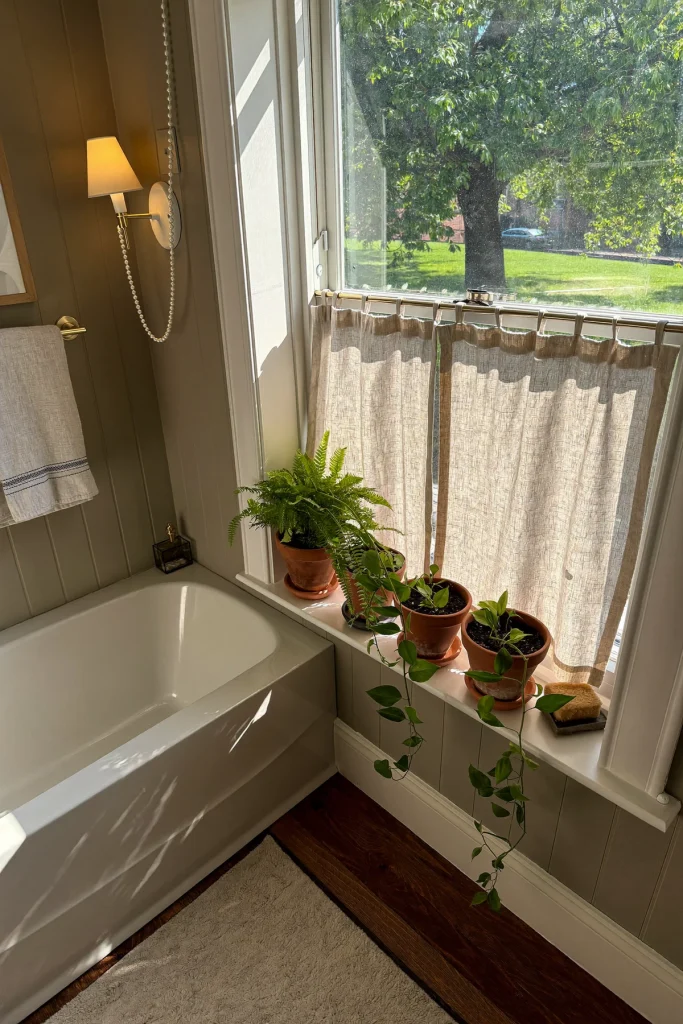
Bathrooms are often the most humid room in the house, which makes them a happy place for many plants. A sunny window ledge filled with trailing pothos, string of pearls or ferns brings life and softness to all that stone and tile.
Choose terracotta pots or unglazed clay planters. They breathe and look perfect with natural materials. Group three or four plants of different heights and leaf shapes, and let one trail down the side of the window.
Just make sure the window gets enough light. North-facing bathrooms suit ferns and pothos, while bright windows can handle succulents and string of pearls. 🌱
Water when the top inch of soil is dry, and the steam from your showers will do much of the rest.
Lay Wide Oiled Oak Planks on the Floor
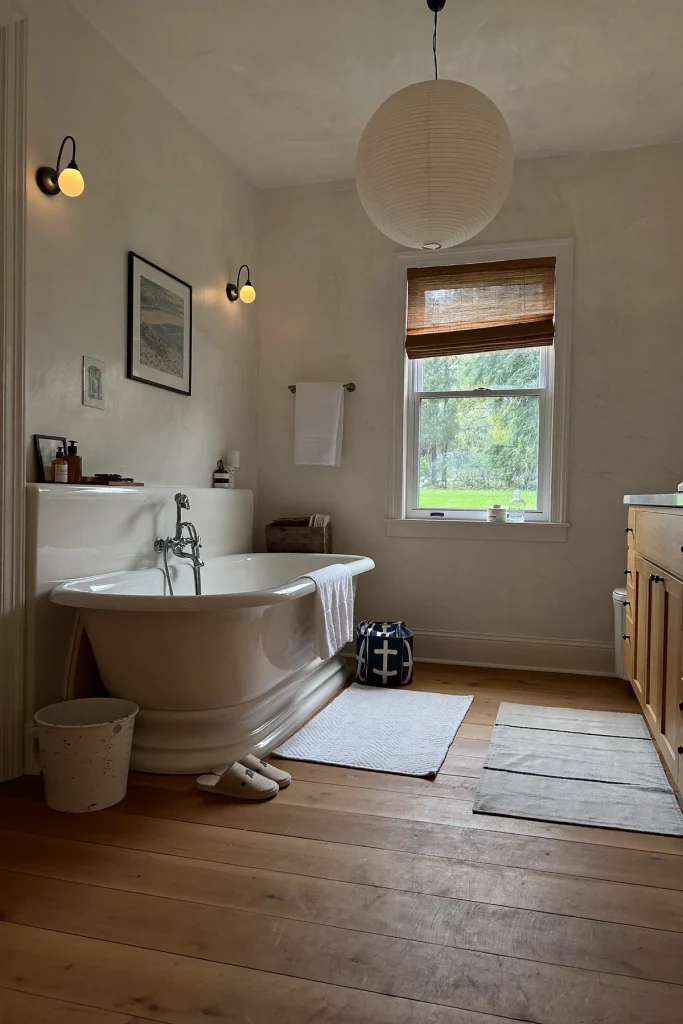
A wood floor in a bathroom used to sound risky, but with the right finish and a bit of care, it’s one of the warmest choices you can make. Wide oak planks with a natural oil finish feel soft underfoot and look like they’ve been there for a century.
Choose engineered oak rather than solid boards, since it moves less with humidity. Finish it with a hardwax oil that soaks into the wood, then wipe up big splashes and puddles quickly. Bath mats and rugs at the tub and sink protect the busiest spots.
Oak goes with almost everything, from plaster and stone to linen and brass. It’s also easy to sand and re-oil when it gets worn, which is something tile can never do.
Care Calendar
| When | What to do |
|---|---|
| Daily | Wipe up puddles, hang mats to dry |
| Monthly | Clean with a gentle soap made for oiled floors |
| Every 1 to 2 years | Refresh with a thin coat of maintenance oil |
Choose a Live-Edge Walnut Counter
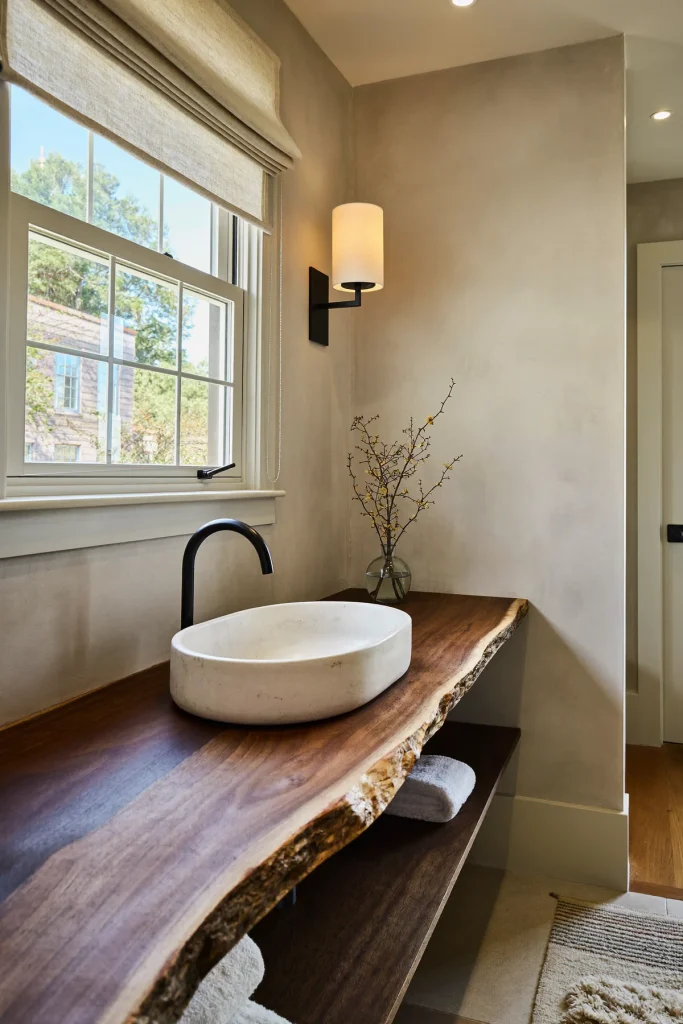
A live-edge counter keeps the natural edge of the tree, so you can see exactly where the bark used to be. Walnut is a favorite for its rich chocolate tones and dramatic grain.
Pair it with a simple vessel sink or an undermount stone sink, and keep the faucet and hardware minimal. The wood is the star, and you don’t want anything competing with it.
To protect the wood, seal the counter with a marine-grade finish or several coats of hardwax oil, especially around the sink. Wipe up water instead of letting it sit, and it’ll age gracefully for decades.
It’s a lovely way to bring nature indoors without a single plant. And it pairs well with the stone vessel sink from idea 10.
Where to Find It
- Local sawmills and slab yards
- Independent woodworkers on Etsy
- Salvage yards with reclaimed timber
Hang a Preserved Moss Panel as Living Art
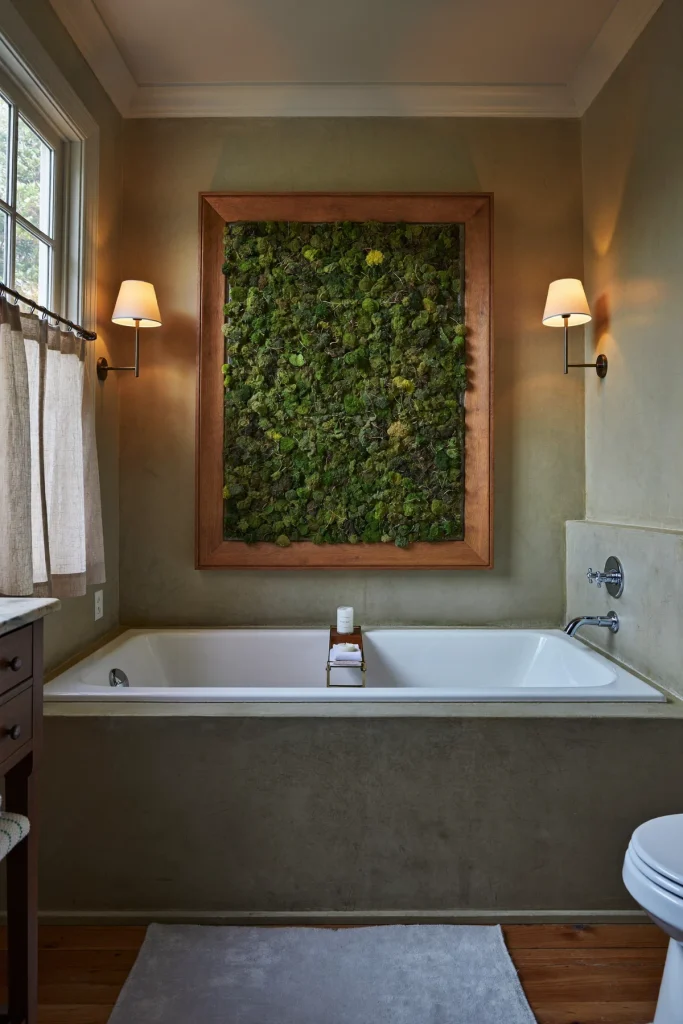
A preserved moss panel gives you the lush, green look of a living wall without any watering. The moss is real, but it has been treated to stay soft and green for years.
Hang a framed moss panel above the tub or on a wall that gets no direct spray. Choose a simple wooden frame to keep the natural theme going, and mix a few textures of moss for depth.
Preserved moss likes humidity, so the bathroom is actually a great place for it. Keep it away from direct sunlight, which can fade the color over time.
Hang a Raw Linen Shower Curtain
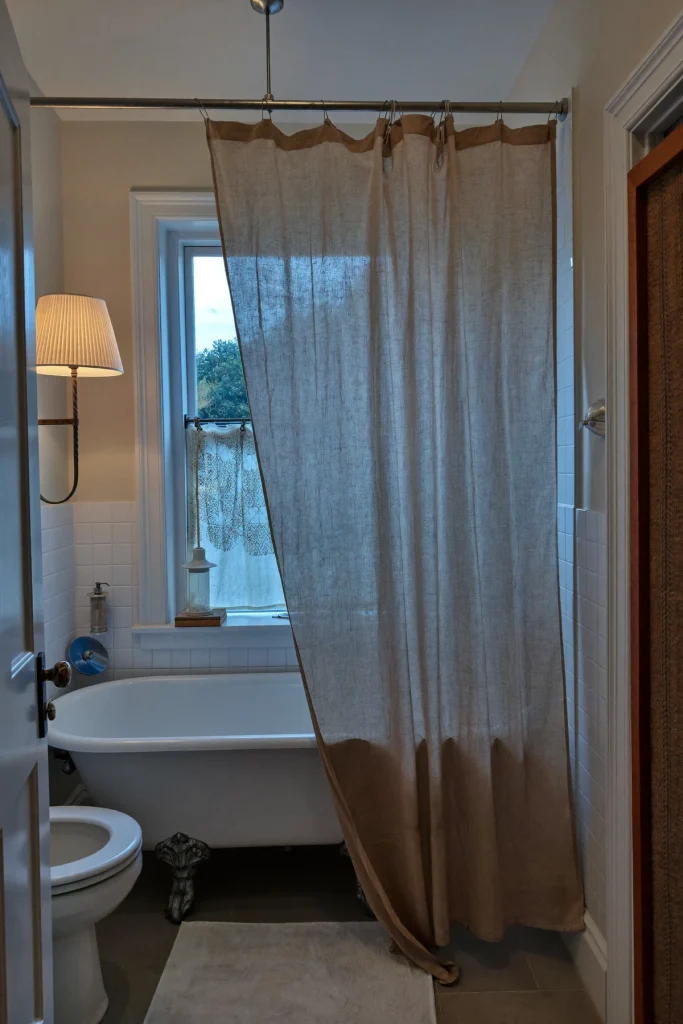
A linen shower curtain is a simple swap that makes a huge difference. It hangs beautifully, filters the light softly, and has a relaxed texture that feels much more natural than plastic or polyester.
Linen is naturally antibacterial and dries quickly. Use it with a separate liner inside the tub, or on its own if you have a walk-in shower with a good splash zone. Choose a soft natural color like flax, oatmeal or stone grey.
Hang the curtain from a ceiling-mounted rod or a rod placed close to the ceiling, so the fabric falls in long, elegant folds. It makes the ceiling look higher and the room look finished.
Wash it every couple of weeks, and the wrinkles only make it look better.
Pair Raw Concrete With Warm Wood
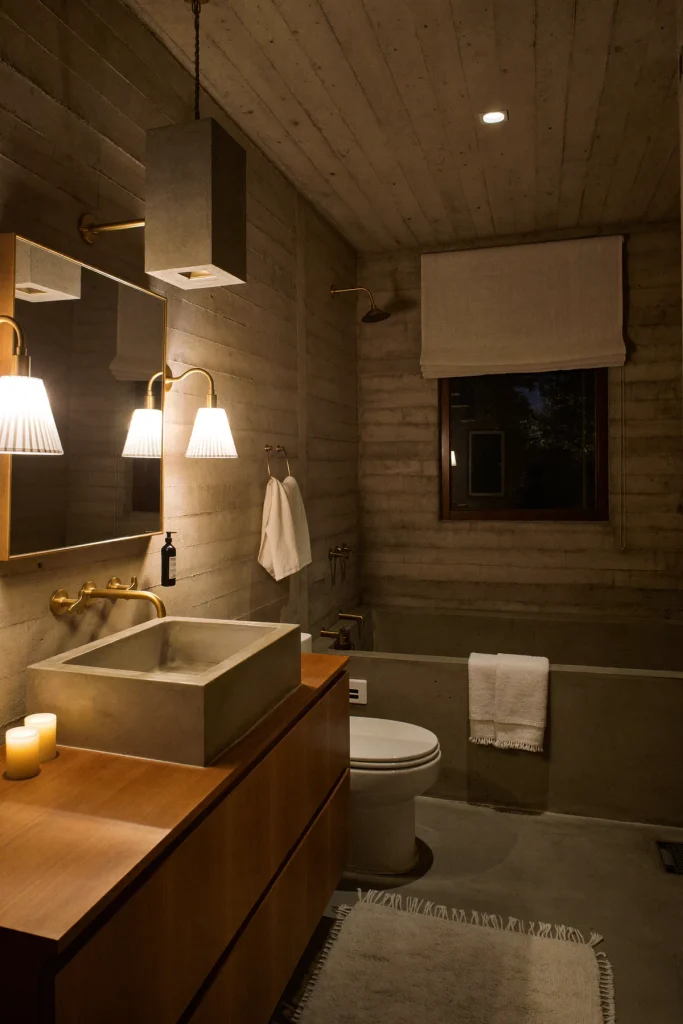
For a bolder take on the natural bathroom, mix raw concrete with warm wood. A poured concrete sink, polished concrete floor or board-formed concrete walls bring a cool, sculptural feel, while wood adds warmth and softness.
It’s a little brutalist and a lot dramatic. Keep the colors simple: grey concrete, honey or walnut wood, and a few black or brass accents. Add linen towels and one or two plants to keep the room from feeling cold.
Concrete needs a good sealer in bathrooms, and it can crack slightly over time. Many people love those small hairline cracks as part of the character.
Warm lighting is key here. Without it, concrete can feel like a parking garage. Use sconces with warm bulbs, a pendant and a candle or two.
Common Mistakes to Avoid
- Choosing cool-white bulbs that make concrete feel cold
- Skipping the sealer near the shower and sink
- Using too little wood, so the room feels like a basement
Open the Ceiling With a Skylight Above the Tub
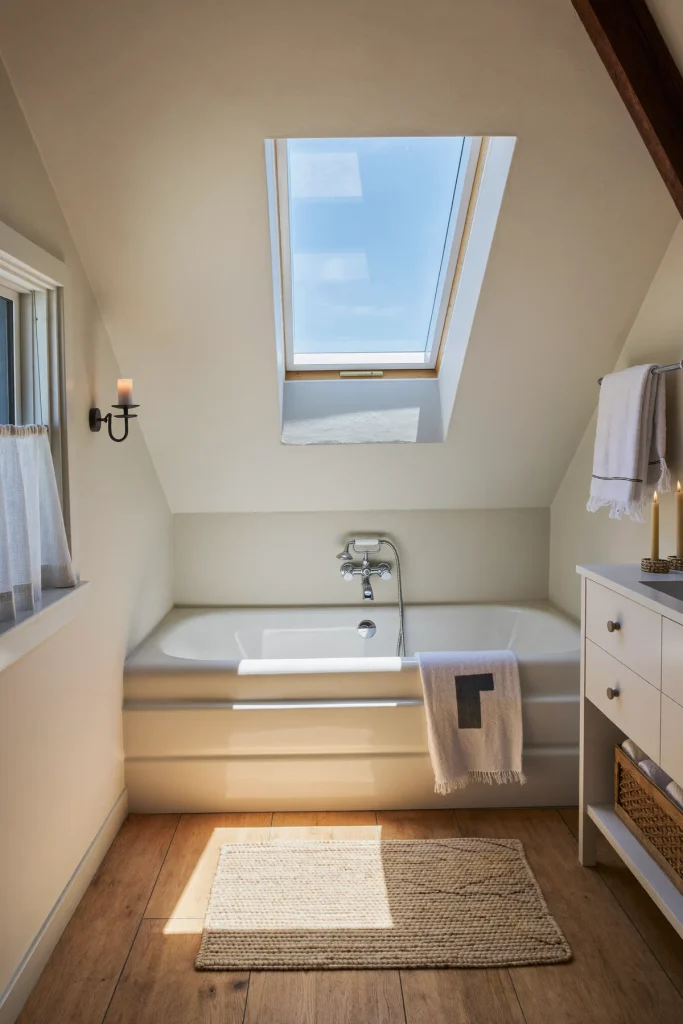
Nothing makes a bathroom feel more natural than real daylight. A skylight above the tub lets you bathe under the sky, watch the clouds roll by, or catch a glimpse of the stars at night.
Skylights are perfect for bathrooms where windows aren’t practical or privacy is a concern. Choose one that opens, so steam can escape, and add a blind for hot summer days or when you want a darker, cozier bath.
Pair the skylight with natural materials, and the light will bring out every texture in the stone, plaster and wood. The colors change throughout the day, from soft morning light to golden evening glow. ☀️
It’s a bigger project, but one that changes how the room feels every single day. If a skylight isn’t possible, a light tube can bring daylight into even a windowless bathroom.
A Bathroom That Grows Up With Your Family
The beauty of a natural bathroom is that it never really finishes. The oak gets darker, the brass gets warmer, the linen gets softer, and the stone picks up the gentle marks of everyday life. It becomes more yours with every year.
You don’t need to do all thirty ideas. Start with one or two: a jute runner, a linen curtain, a few rattan baskets. Then save up for the bigger moves, like plaster walls or a stone tub, when the time is right. 🛁
Whatever you choose, pick materials you love to touch. That’s the real secret to a bathroom that feels calm, warm and completely like home.
